Astronomy & Astrophysics 101: Nebula

What Is a Nebula?
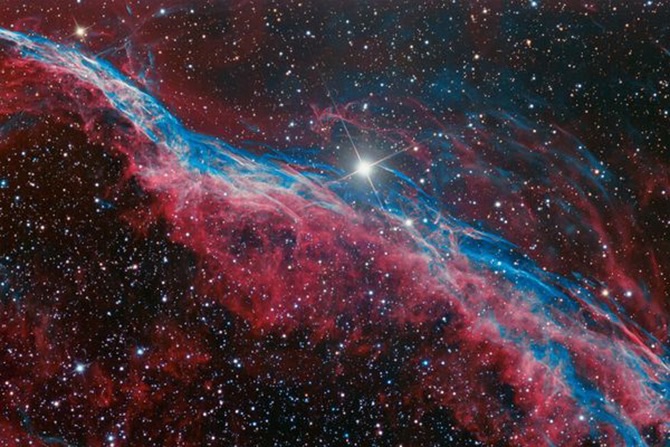
Nebulae are interstellar clouds of gas and dust. Many nebulae are formed from the remnants of dying stars. Nebulae are often also regions where new stars are born.
These days, the term ‘nebula’ refers to an interstellar cloud of dust and gas. Nebulae are frequently formed from the remnants of dying stars: from planetary nebulae or the dispersed debris from supernova explosions. They are also often regions of intense star formation, as the rich reservoirs of dust and gas provide the necessary raw material from which new stars are born. Nebulae are usually mind-bogglingly big, spanning several light years in size. The word ‘nebula’ used to have a much broader meaning, referring to any celestial object that appeared to have a diffuse structure, including the objects that we now know as galaxies.
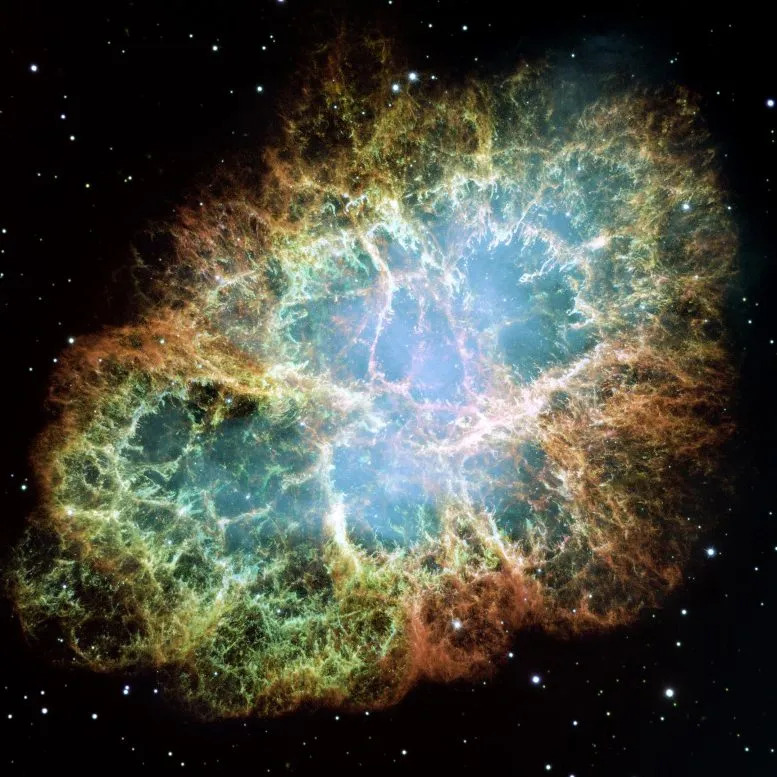
Some of the most popular images captured by the Hubble Space Telescope have been of beautiful and colorful nebulae. You can explore the vast ESA/Hubble archive of hundreds of nebula images here. This includes the popular images of the Lagoon Nebula (Hubble’s 28th-anniversary image), NGC 2014 and NGC 2020 (the 30th-anniversary image), the Pillars of Creation, the Crab Nebula, and more.
One of the most detailed images of a star-forming region ever made is the large mosaic of 15 Hubble images showing the central part of the Orion Nebula complex. Hubble’s high resolution has been crucial in the investigation of the dust discs, dubbed proplyds, around the newborn stars in this nebula. The ‘proplyds’ may very well be young planetary systems in the early phases of their creation. The details that Hubble revealed are better than what has been achieved with ground-based instruments, and thanks to Hubble we have visual proof that dusty discs around young stars are common. Read More...