Camping In Denmark: All You Need To Know
-
 Loading...
 - Radimir Sokolov
- 29 Jul 2024
- 60 Views
- 0 Like
- 0 Comment
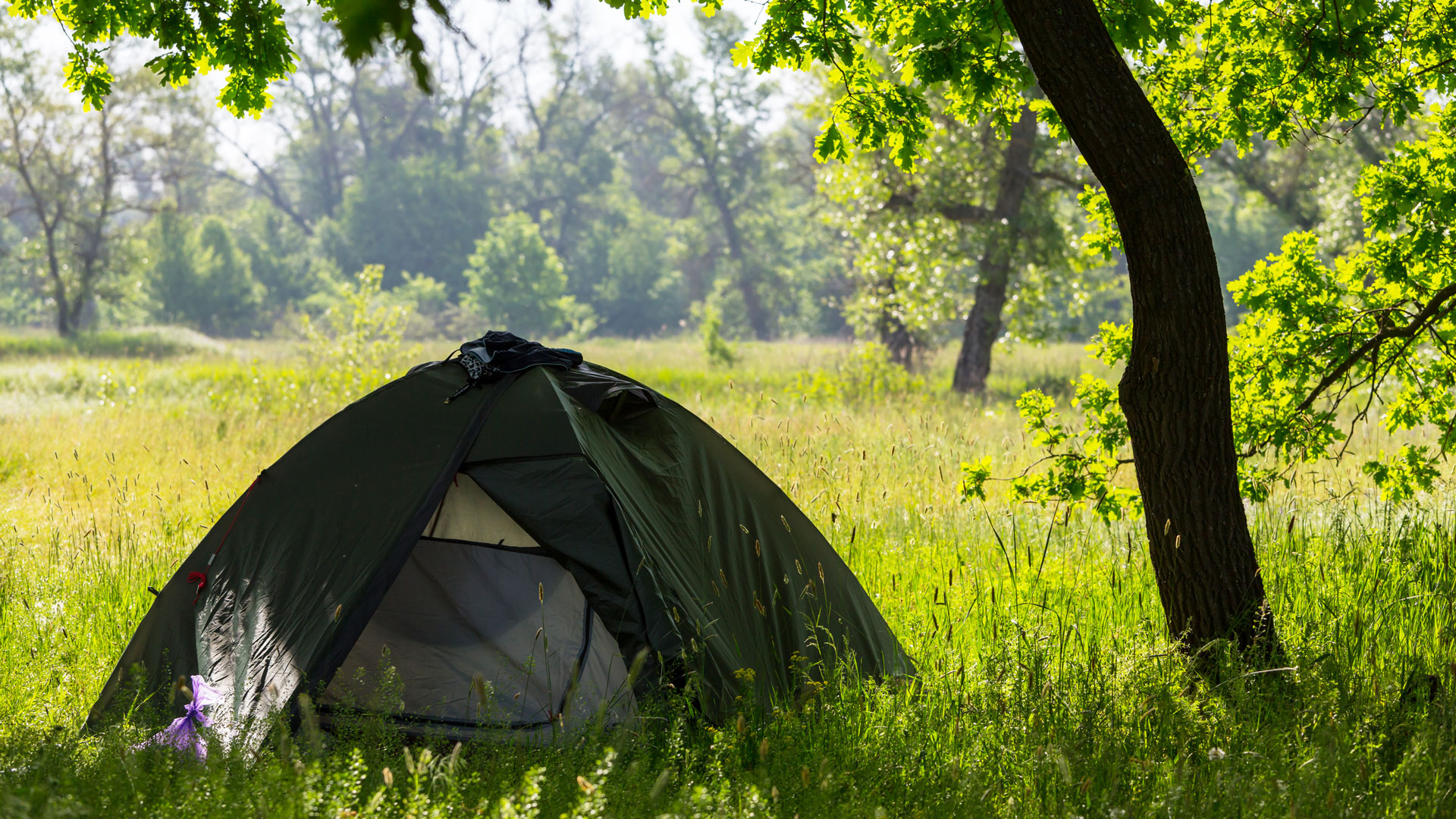
Denmark offers a variety of picturesque landscapes and serene environments, making it an ideal destination for camping enthusiasts. Whether you're a seasoned camper or a first-timer, Denmark's well-maintained campgrounds and natural beauty promise an unforgettable outdoor experience. Here’s everything you need to know about camping in Denmark.
Types of Camping in Denmark
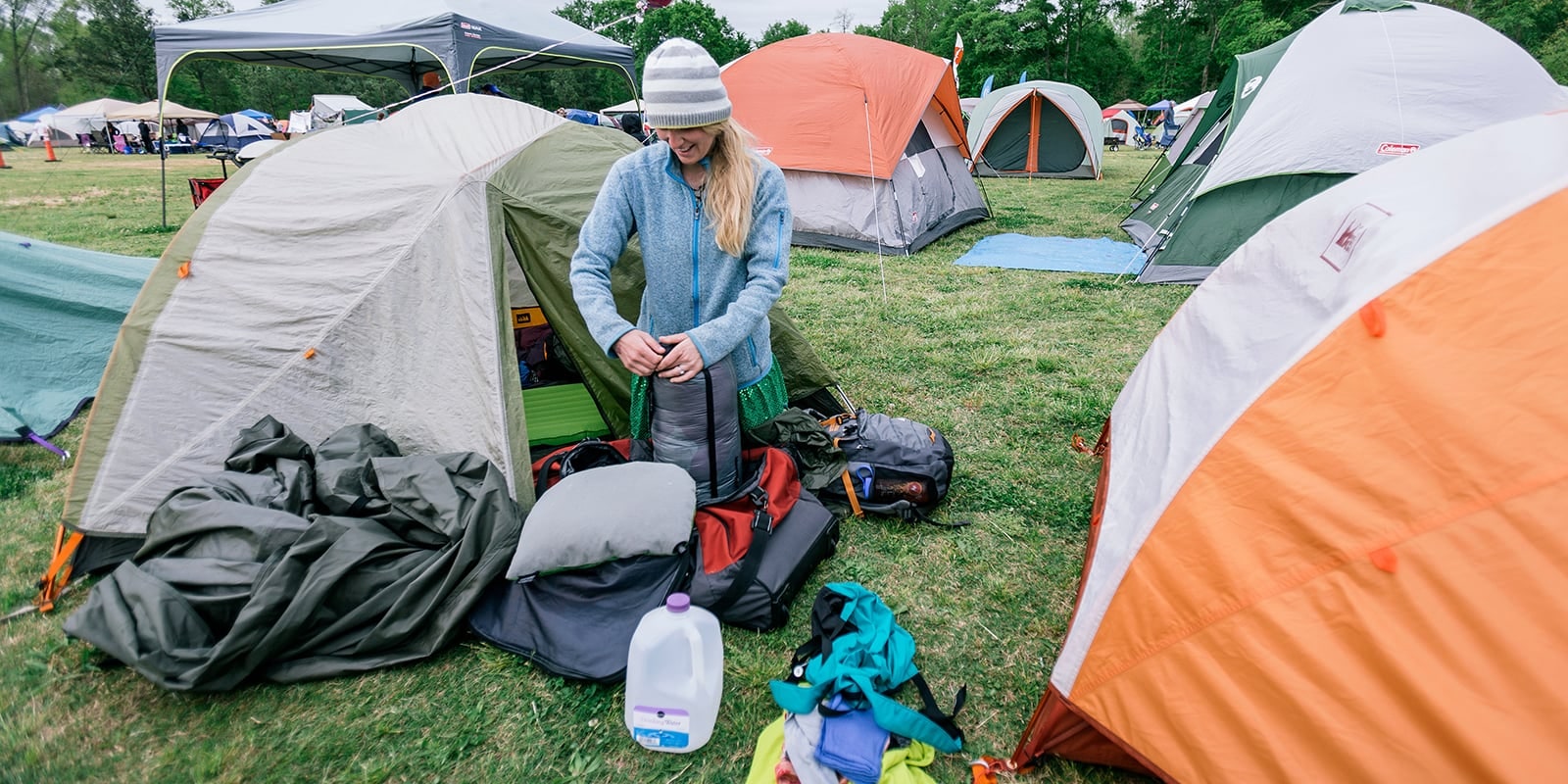
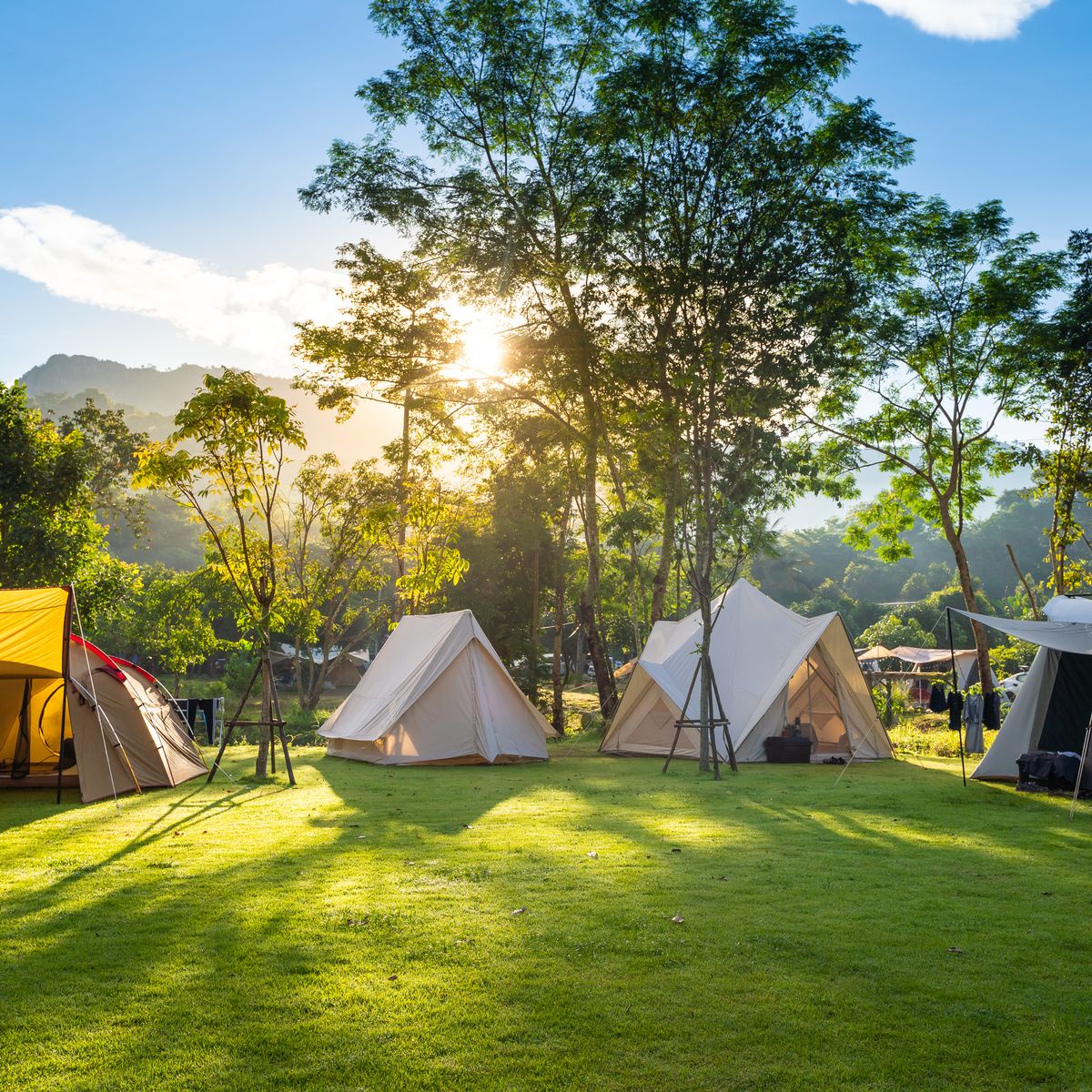
i. Traditional Camping: Denmark boasts numerous traditional campgrounds equipped with modern amenities such as showers, restrooms, and cooking facilities. These campgrounds often provide activities and entertainment, making them perfect for families.
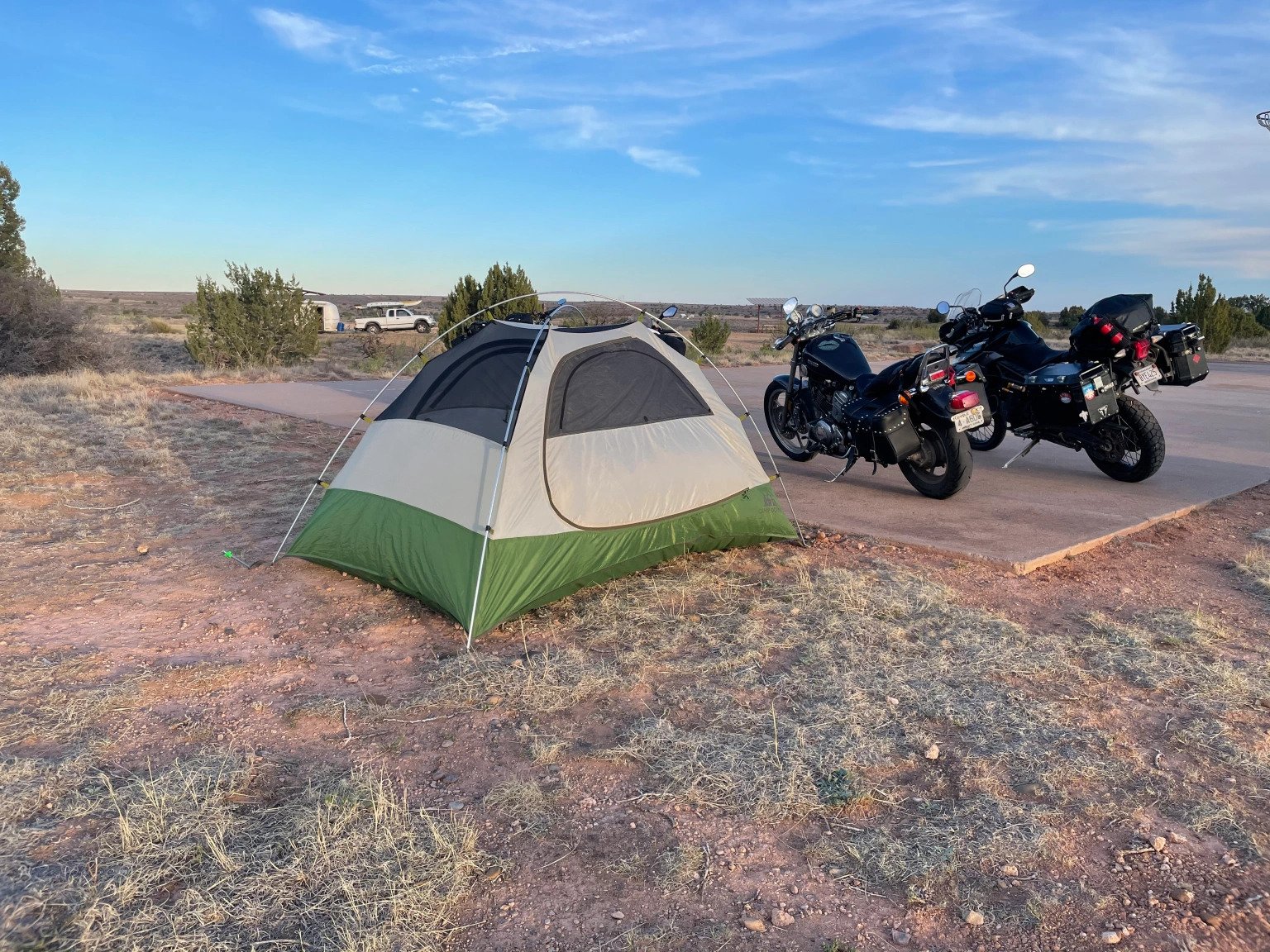
ii. Wild Camping: For those seeking a more rugged adventure, Denmark allows wild camping in certain areas. This form of camping is less regulated, providing a more immersive experience in nature. Remember to follow the Leave No Trace principles to preserve the environment.
Shelters and Primitive Campsites
Denmark also offers shelters and primitive campsites scattered throughout its forests and natural reserves. These sites usually have basic facilities like fire pits and toilets, providing a rustic yet comfortable camping experience.
Best Camping Spots in Denmark
- Mols Bjerge National Park; Located in Djursland, Mols Bjerge National Park is known for its rolling hills, diverse wildlife, and stunning landscapes. The park offers several camping sites with excellent facilities and hiking trails.
- Råbjerg Mile: Råbjerg Mile, a migrating coastal dune in Northern Jutland, is a unique camping destination. The nearby camping sites provide easy access to this natural wonder and the surrounding scenic beaches.
- Svendborg Sund Camping: Located on the island of Funen, Svendborg Sund Camping offers beautiful views of the sea and a range of activities such as kayaking and fishing. The site is family-friendly with various amenities and entertainment options.
- Henne Strand Camping: Henne Strand Camping, situated on the West Coast of Denmark, is perfect for beach lovers. The campsite is close to sandy shores and offers facilities like mini-golf, playgrounds, and heated pools.
What to Bring
i. Camping Gear
- Tent: Ensure you have a weather-resistant tent.
- Sleeping Bag: Choose a sleeping bag suitable for the Danish climate.
- Cooking Equipment: Portable stoves or BBQ grills are ideal.
- Lighting: Bring flashlights, lanterns, or headlamps.
- Chairs and Tables: Foldable furniture enhances comfort.
ii. Clothing
- Layered Clothing: Denmark's weather can be unpredictable, so layers are essential.
- Waterproof Gear: Rain jackets and waterproof pants are necessary.
- Comfortable Footwear: Hiking boots or sturdy shoes are ideal for exploring.
iii. Essentials
- First Aid Kit: Always be prepared for minor injuries.
- Insect Repellent: Protect yourself from bugs, especially in wooded areas.
- Maps and Navigation Tools: GPS devices or maps to navigate the trails.
Camping Tips
- Respect Nature; Always follow the Leave No Trace principles by cleaning up after yourself and minimizing your impact on the environment.
- Plan Ahead: Check the weather forecast and campground availability before you go. Some popular sites may require reservations.
- Stay Safe: Be aware of local wildlife and take necessary precautions. Familiarize yourself with emergency procedures and the location of the nearest medical facilities.
- Interact with Locals: Engage with local campers and residents to get insider tips on the best spots and activities.
Legal Considerations
- Camping Regulations: While wild camping is allowed in some parts of Denmark, it’s essential to be aware of the regulations. Wild camping is generally prohibited in protected areas and private lands without permission.
- Fire Safety: Open fires are usually restricted to designated areas. Always check the local fire regulations and ensure you extinguish fires completely before leaving the site.
Activities to Enjoy
- Hiking: Denmark offers numerous hiking trails suitable for all skill levels. Popular trails include those in Mols Bjerge National Park and the coastal paths near Henne Strand.
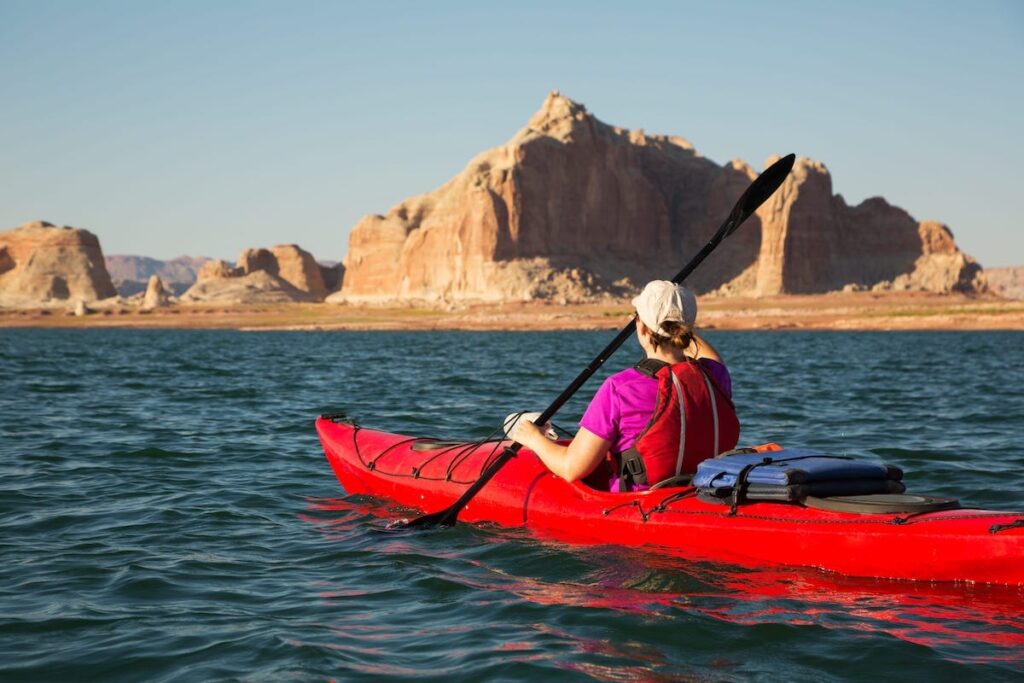
- Water Sports: Kayaking, fishing, and swimming are popular activities at many Danish campgrounds, particularly those near lakes and the coast.
- Cycling: Denmark is a cyclist's paradise with extensive bike paths. Rent a bike and explore the countryside or coastal routes.
- Bird Watching: Denmark's diverse habitats make it an excellent destination for bird watching. Bring binoculars and a guidebook to identify local species.
Camping in Denmark offers a unique blend of natural beauty, outdoor activities, and a chance to disconnect from the hustle and bustle of everyday life. With well-equipped campgrounds, diverse landscapes, and a welcoming environment, it's no wonder Denmark is a favorite among camping enthusiasts. Whether you prefer traditional campgrounds or the thrill of wild camping, Denmark has something to offer every adventurer.
FAQs
1. Is wild camping legal in Denmark?
Wild camping is allowed in certain areas, but it’s essential to follow local regulations and respect private property.
2. What is the best time of year to go camping in Denmark?
The best time for camping is from late spring to early autumn (May to September) when the weather is mild.
3. Are there any dangerous animals in Denmark?
Denmark is generally safe from dangerous wildlife, but it’s always good to be cautious of ticks and wasps.
4. Can I bring my dog camping in Denmark?
Yes, many campgrounds in Denmark are pet-friendly. However, check individual site regulations.
5. Do I need a permit to camp in Denmark?
Permits are not typically required for designated campgrounds, but specific areas, especially for wild camping, may have restrictions.