Forest Biodiversity Unit Pilot Launches in Congo
-
 Loading...
 - Alice Kojo
- 19 Sep 2024
- 47 Views
- 0 Like
- 0 Comment
A new forest biodiversity unit pilot has been launched in the Democratic Republic of Congo, marking a significant step towards preserving the country's rich forest ecosystem. The pilot project aims to promote sustainable forest management and conservation, while also supporting local communities that depend on the forest for their livelihood.
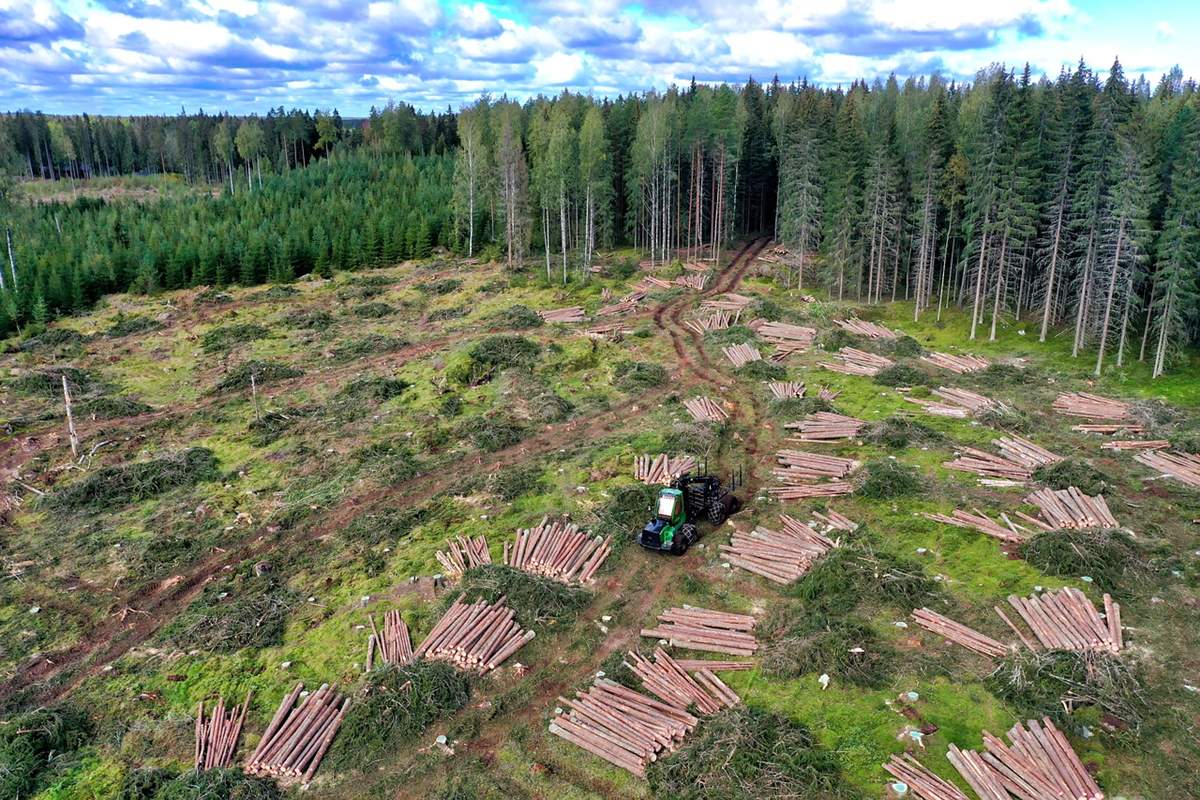
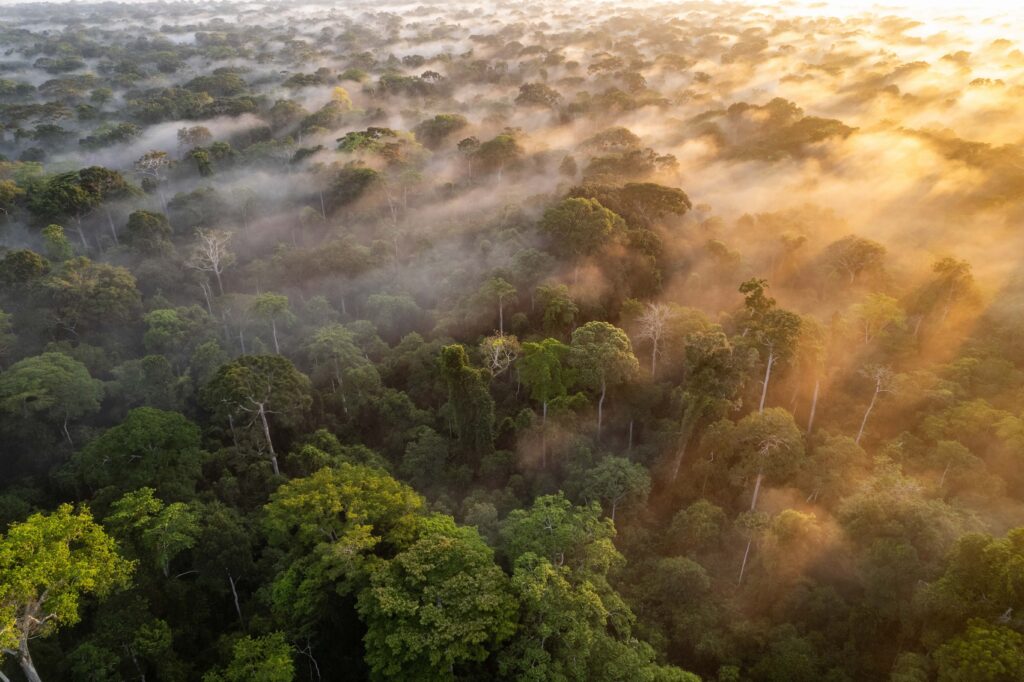
The Congo Basin is home to the second-largest tropical rainforest in the world, covering an area of over 2 million square kilometers. The forest is not only a vital carbon sink, but it also provides habitat for a vast array of plant and animal species, many of which are found nowhere else on Earth. However, the forest is under threat from deforestation, logging, and other human activities, which have resulted in the loss of biodiversity and ecosystem disruption.
The forest biodiversity unit pilot is based on a community-led conservation approach, which recognizes the critical role that local communities play in forest management and conservation. The project will work with local communities to develop sustainable forest management plans, provide training and capacity-building programs, and support the development of eco-tourism initiatives.
The pilot project is expected to bring numerous benefits to local communities, including improved livelihoods, enhanced food security, and better access to healthcare and education. By promoting sustainable forest management, the project will also help to reduce poverty and inequality, while supporting the conservation of the forest ecosystem.
The forest biodiversity unit pilot is a critical step towards scaling up conservation efforts in the Congo Basin. The project's success will depend on the active participation of local communities, as well as the support of government agencies, NGOs, and other stakeholders. By working together, it is possible to protect the Congo's forests and preserve their rich biodiversity for future generations.
The pilot project's long-term sustainability will depend on its ability to adapt to changing circumstances and respond to emerging challenges. This will require ongoing monitoring and evaluation, as well as a commitment to learning and improvement. By adopting a flexible and adaptive approach, the project can ensure that it remains effective and relevant over time.
The forest biodiversity unit pilot is an example of international cooperation in action. The project brings together stakeholders from around the world, including government agencies, NGOs, and local communities, to address a critical global challenge. By working together, it is possible to achieve far more than could be accomplished alone, and to make a meaningful contribution to the conservation of the Congo's forests.