Going on a solo hiking trip? Here’s how to stay safe while hiking alone

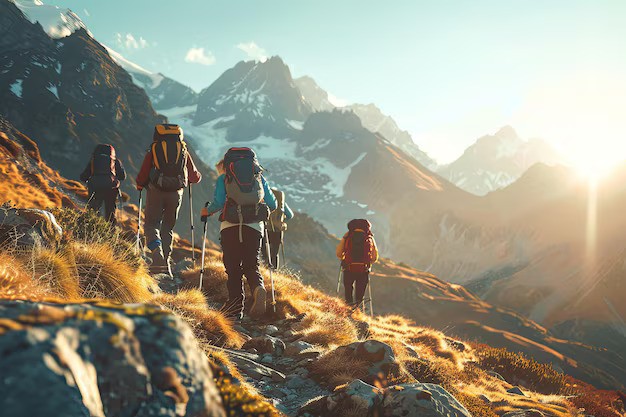
Are you an adventure enthusiast looking to embark on a thrilling solo hiking trip? Exploring the great outdoors alone can be an incredibly rewarding experience, allowing you to connect with nature on a deeper level. However, it's essential to prioritize safety during your solo adventure. In this guide, we'll share valuable tips and insights to help you stay safe while hiking alone. So, pack your gear, lace up your boots, and let's dive into the world of solo hiking!
Planning and Preparation
Research Your Destination
Before setting off on your solo hiking trip, it's crucial to thoroughly research your destination. Familiarize yourself with the terrain, weather conditions, and any potential risks or challenges you may encounter along the way. Look for reliable sources of information, such as hiking guidebooks, online forums, and official park websites, to gather as much knowledge as possible.
Notify Someone
Always inform a trusted friend or family member about your hiking plans. Share your intended route, expected duration, and the date of your return. This precaution ensures that someone knows where you'll be and can raise the alarm if you don't return as scheduled.
Check Weather Conditions
Stay updated with the latest weather forecasts for your hiking destination. Weather can be unpredictable, especially in mountainous regions, so make sure to plan accordingly. Postpone your trip if severe weather conditions are expected, as it can significantly impact your safety.
Gear and Equipment
Invest in Quality Gear
When it comes to solo hiking, your gear becomes your lifeline. Invest in high-quality equipment that is durable, reliable, and suited to your specific hiking needs. This includes sturdy hiking boots, weather-appropriate clothing, a well-fitting backpack, a map and compass (or GPS device), a first aid kit, and sufficient food and water supplies.
Test and Familiarize Yourself with Gear
Before heading out on your solo adventure, make sure to test and familiarize yourself with all your gear. This ensures that you know how to use each item effectively and can troubleshoot any issues that may arise during your hike. Practice setting up your tent, using your stove, and purifying water to gain confidence in your abilities.
Pack Light, but Be Prepared
While it's important to pack light for a solo hiking trip, never compromise on essential items. Be prepared for unforeseen circumstances by carrying extra layers of clothing, emergency shelter, a fire starter kit, a whistle for signaling, and a multi-tool for basic repairs. These items can make a significant difference in emergencies or unexpected situations.
Safety on the Trail
Stay on Marked Trails
When hiking alone, it's advisable to stick to well-established and marked trails. These paths have been tried and tested by others, reducing the chances of getting lost or encountering unsafe areas. Veering off the trail can lead to increased risks, including hazardous terrain or wildlife encounters.
Pace Yourself
Maintaining a steady pace is crucial for your safety and endurance during a solo hike. Overexertion can lead to fatigue and increase the risk of accidents or injuries. Take breaks when needed, drink plenty of water, and listen to your body. It's better to progress steadily than to push yourself beyond your limits.
Be Mindful of Wildlife
Encounters with wildlife can be exhilarating but potentially dangerous. Familiarize yourself with the native wildlife in the area and learn how to behave in their presence. Keep a safe distance, never feed or approach wild animals, and store food securely to prevent attracting them to your campsite. Remember, you are a visitor in their territory, and respecting their space is vital.
FAQs
Q: How do I choose a suitable solo hiking trail?
A: When selecting a solo hiking trail, consider your hiking experience, fitness level, and the difficulty rating of the trail. Start with trails that match your capabilities and gradually progress to more challenging ones as you gain experience and confidence.
Q: What should I do if I get lost during a solo hike?
A: If you find yourself lost during a solo hike, stay calm and retrace your steps to the last known location or backtrack to the marked trail. If you cannot find your way, use a map, compass, or GPS device to orient yourself. It's always a good idea to familiarize yourself with navigation techniques before embarking on a solo hiking trip.
Q: Should I carry a personal locator beacon or satellite messenger?
A: Carrying a personal locator beacon (PLB) or satellite messenger can provide an additional layer of safety during a solo hiking trip. These devices allow you to send distress signals and communicate your location to rescue authorities in case of emergencies.
Q: Is it safe to camp alone during a solo hiking trip?
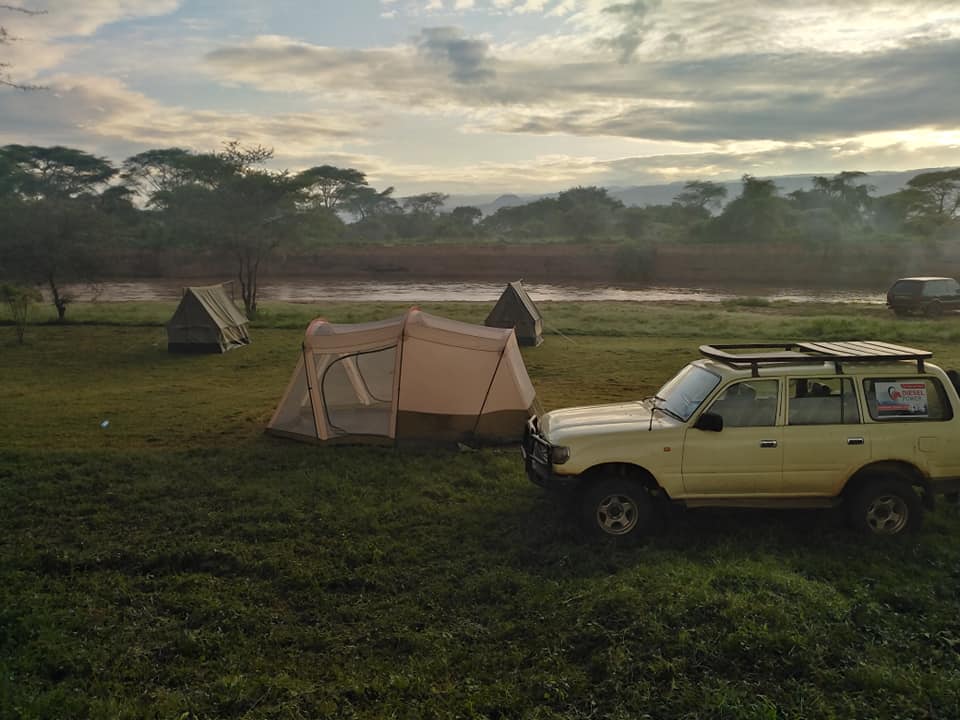
A: Camping alone can be safe if you choose a suitable campsite, follow proper camping etiquette, and take necessary precautions. Set up your campsite in an open and visible area, away from potential hazards. Be mindful of wildlife and secure your food to prevent attracting animals.
Q: Should I carry bear spray or other deterrents for wildlife encounters?
A: If you're hiking in an area with a known bear or wildlife population, carrying bear spray or other wildlife deterrents is recommended. Familiarize yourself with their proper usage and know how to react in case of an encounter. Additionally, make noise while hiking to alert wildlife of your presence and reduce the chances of surprising them.
Q: What should I do in case of a medical emergency during a solo hike?
A: In case of a medical emergency during a solo hike, assess the situation calmly. If it's a minor injury or ailment, use your first aid kit to provide necessary treatment. If the situation is severe or life-threatening, call emergency services if you have cellular reception. Carrying a whistle can also help attract attention if you need assistance.
Embarking on a solo hiking trip can be an unforgettable adventure, allowing you to explore nature's wonders at your own pace. By following the tips and guidelines outlined in this guide, you can ensure a safe and enjoyable experience while hiking alone.