Macro Photography Lenses (and Other Must-Have Gear)
-
 Loading...
 - Charu Chahal
- 29 Jun 2022
- 131 Views
- 0 Like
- 0 Comment
In order to have success at macro photography, you will need to have the right macro photography gear and a good understanding of the basics of ultra close-up imaging. Let’s get you set up with some awesome macro photography lenses and other items and methods that will assist.
Macro Is More than Close Focus

To get started, let’s get a few terms and ideas clear in our heads. Macro photography is more than merely getting closer to a subject and having it in focus. It involves getting extremely close and thus requires some different methods and quite often some different gear than you might already have.
The kit lens you have with your new camera is a great lens. It can take you from a wide-angle, through normal, and up to a little bit of telephoto. It’s also pretty sharp and even allows a fairly decent close focus.
It has a few limitations, however. The wide-angle end is pretty wide, but the telephoto side of the range usually seems a little limited. The maximum lens aperture (or f-stop) is also pretty slow. Finally, that close focusing ability always seems to be not quite close enough for certain subjects or photo ideas.
So, if you’re thinking about expanding your camera’s capabilities, you are likely thinking about adding new lenses and some other gear to that great camera you have. Macro photography lenses are a good idea if we want closer focus.
As said earlier, though, close focus isn’t all there is to macro. How close is macro supposed to be anyways? In addition to macro photography lenses, what other items should be in your macro photography gear bag?
Macro Photography Lenses Characteristics
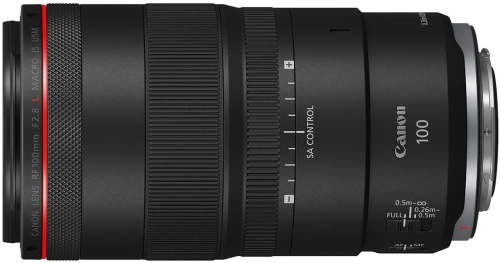
Macro photography lenses have two main characteristics that make them different from non-macro photography lenses. One is the extremely close minimum focusing distance, the other is flat field focus.
The close minimum focusing distance in macro photography lenses is usually not specified in inches or feet, but rather in a reproduction ratio. The ratio is based on the actual size of the subject and how it’s recorded on the imaging sensor or frame of film.
The reproduction ratio is usually referenced with life-size being the common denominator. A ratio of 1:4 is ¼ life-size, 1:2 is half life-size, and 1:1 is full life-size. A full life-size ratio means that the subject photographed is the same size on the film plane as it is in real life. So a 1” wide circle would be captured as exactly 1” on the camera sensor.
It’s important to realize that this ratio is how it reproduces on the film plane, in the frame of the camera sensor, hence the term “reproduction ratio.” Once you enlarge the image file, whether on a computer screen or as a physical print, the subject matter will appear many times life-sized.
Which part of the appeal of macro photography lenses. If you took a macro photo of a tiny ½” flower bud at 1:2 macro photography reproduction ratio, then the resulting size of that bud on the sensor is ¼“, or half of the life-size of the subject matter.
Blowing it up to an 8x10” print means you’re enlarging the image file to that size, making everything bigger than what the size of things on the sensor image is. It isn’t noticeable with regular photography subjects because it’s a reproduction of a real-world scene we expect to see.
But when it’s a macro photography image, that tiny real life thing is now reproduced many times bigger than how we see it in real life. So the impact of the image is substantially different than more mainstream subject matter.
Flat Field Focus
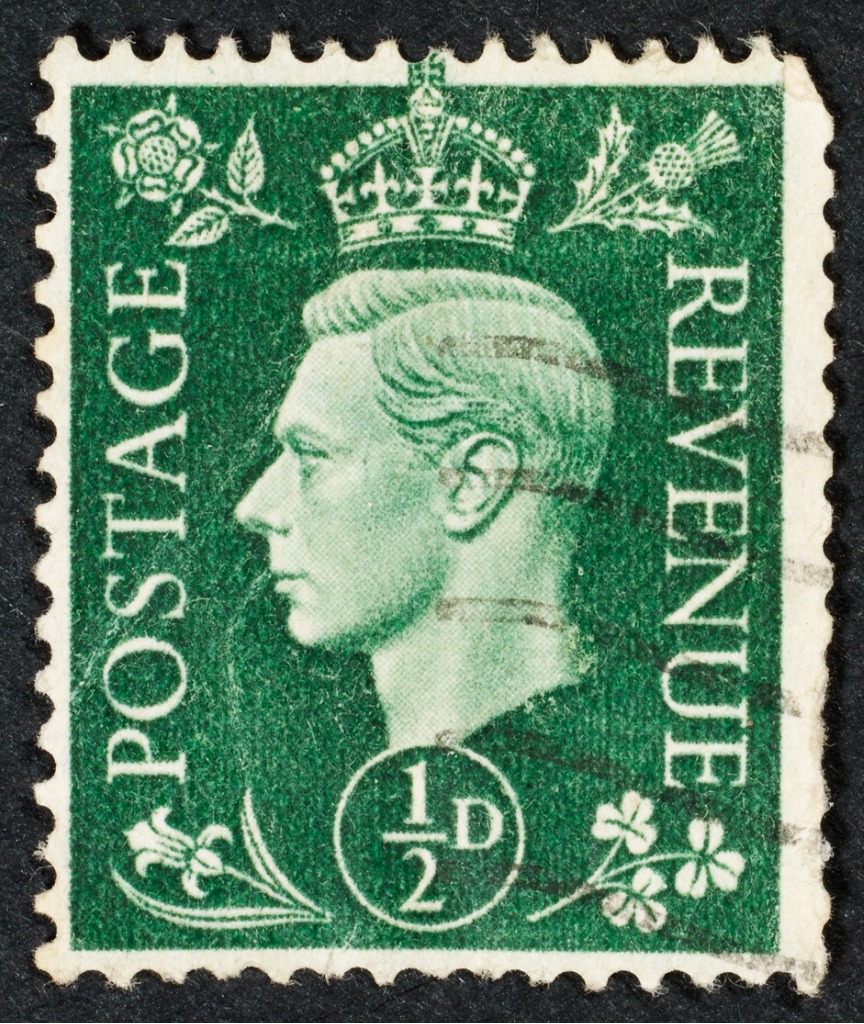
Flat field focus is where true macro photography lenses separate themselves the most from regular lenses. Most lenses project from the rear of the lens a plane of focus that is slightly curved. Simply a matter of basic physics. The lens elements curve light rays.
In regular photography at common focusing distances, we rarely notice this effect at all. Since depth of field (or depth of focus) is controlled by focusing distance as well as lens focal length, lens aperture, and format size, focusing closer narrows that depth of field. Not just as a function of focus but also as how it projects onto the sensor.
Macro photography lenses are specially designed to project a flatter field, meaning there is less curvature to the plane of focus. What would happen if you took a regularly corrected lens and tried to photograph a stamp or piece of paper money at a focusing distance that gave a 1:4 to 1:1 reproduction ratio?
If the center was in focus, the edges would be blurred, and vice versa. With macro photography lenses that are corrected for flat fields, the edges and center are both in focus at the extremely close focusing distances of macro photography.
So, a flat field is actually more important than merely how close the lens lets you get to the subject. Which is why macro photography lenses and other macro photography exist. Read More...