Home Upload Photo Upload Videos Write a Blog Analytics Messaging Streaming Create Adverts Creators Program
Bebuzee Afghanistan Bebuzee Albania Bebuzee Algeria Bebuzee Andorra Bebuzee Angola Bebuzee Antigua and Barbuda Bebuzee Argentina Bebuzee Armenia Bebuzee Australia Bebuzee Austria Bebuzee Azerbaijan Bebuzee Bahamas Bebuzee Bahrain Bebuzee Bangladesh Bebuzee Barbados Bebuzee Belarus Bebuzee Belgium Bebuzee Belize Bebuzee Benin Bebuzee Bhutan Bebuzee Bolivia Bebuzee Bosnia and Herzegovina Bebuzee Botswana Bebuzee Brazil Bebuzee Brunei Bebuzee Bulgaria Bebuzee Burkina Faso Bebuzee Burundi Bebuzee Cabo Verde Bebuzee Cambodia Bebuzee Cameroon Bebuzee Canada Bebuzee Central African Republic Bebuzee Chad Bebuzee Chile Bebuzee China Bebuzee Colombia Bebuzee Comoros Bebuzee Costa Rica Bebuzee Côte d'Ivoire Bebuzee Croatia Bebuzee Cuba Bebuzee Cyprus Bebuzee Czech Republic Bebuzee Democratic Republic of the Congo Bebuzee Denmark Bebuzee Djibouti Bebuzee Dominica Bebuzee Dominican Republic Bebuzee Ecuador Bebuzee Egypt Bebuzee El Salvador Bebuzee Equatorial Guinea Bebuzee Eritrea Bebuzee Estonia Bebuzee Eswatini Bebuzee Ethiopia Bebuzee Fiji Bebuzee Finland Bebuzee France Bebuzee Gabon Bebuzee Gambia Bebuzee Georgia Bebuzee Germany Bebuzee Ghana Bebuzee Greece Bebuzee Grenada Bebuzee Guatemala Bebuzee Guinea Bebuzee Guinea-Bissau Bebuzee Guyana Bebuzee Haiti Bebuzee Honduras Bebuzee Hong Kong Bebuzee Hungary Bebuzee Iceland Bebuzee India Bebuzee Indonesia Bebuzee Iran Bebuzee Iraq Bebuzee Ireland Bebuzee Israel Bebuzee Italy Bebuzee Jamaica Bebuzee Japan Bebuzee Jordan Bebuzee Kazakhstan Bebuzee Kenya Bebuzee Kiribati Bebuzee Kuwait Bebuzee Kyrgyzstan Bebuzee Laos Bebuzee Latvia Bebuzee Lebanon Bebuzee Lesotho Bebuzee Liberia Bebuzee Libya Bebuzee Liechtenstein Bebuzee Lithuania Bebuzee Luxembourg Bebuzee Madagascar Bebuzee Malawi Bebuzee Malaysia Bebuzee Maldives Bebuzee Mali Bebuzee Malta Bebuzee Marshall Islands Bebuzee Mauritania Bebuzee Mauritius Bebuzee Mexico Bebuzee Micronesia Bebuzee Moldova Bebuzee Monaco Bebuzee Mongolia Bebuzee Montenegro Bebuzee Morocco Bebuzee Mozambique Bebuzee Myanmar Bebuzee Namibia Bebuzee Nauru Bebuzee Nepal Bebuzee Netherlands Bebuzee New Zealand Bebuzee Nicaragua Bebuzee Niger Bebuzee Nigeria Bebuzee North Korea Bebuzee North Macedonia Bebuzee Norway Bebuzee Oman Bebuzee Pakistan Bebuzee Palau Bebuzee Panama Bebuzee Papua New Guinea Bebuzee Paraguay Bebuzee Peru Bebuzee Philippines Bebuzee Poland Bebuzee Portugal Bebuzee Qatar Bebuzee Republic of the Congo Bebuzee Romania Bebuzee Russia Bebuzee Rwanda Bebuzee Saint Kitts and Nevis Bebuzee Saint Lucia Bebuzee Saint Vincent and the Grenadines Bebuzee Samoa Bebuzee San Marino Bebuzee São Tomé and Príncipe Bebuzee Saudi Arabia Bebuzee Senegal Bebuzee Serbia Bebuzee Seychelles Bebuzee Sierra Leone Bebuzee Singapore Bebuzee Slovakia Bebuzee Slovenia Bebuzee Solomon Islands Bebuzee Somalia Bebuzee South Africa Bebuzee South Korea Bebuzee South Sudan Bebuzee Spain Bebuzee Sri Lanka Bebuzee Sudan Bebuzee Suriname Bebuzee Sweden Bebuzee Switzerland Bebuzee Syria Bebuzee Taiwan Bebuzee Tajikistan Bebuzee Tanzania Bebuzee Thailand Bebuzee Timor-Leste Bebuzee Togo Bebuzee Tonga Bebuzee Trinidad and Tobago Bebuzee Tunisia Bebuzee Turkey Bebuzee Turkmenistan Bebuzee Tuvalu Bebuzee Uganda Bebuzee Ukraine Bebuzee United Arab Emirates Bebuzee United Kingdom Bebuzee Uruguay Bebuzee Uzbekistan Bebuzee Vanuatu Bebuzee Venezuela Bebuzee Vietnam Bebuzee World Wide Bebuzee Yemen Bebuzee Zambia Bebuzee Zimbabwe
Blog Image

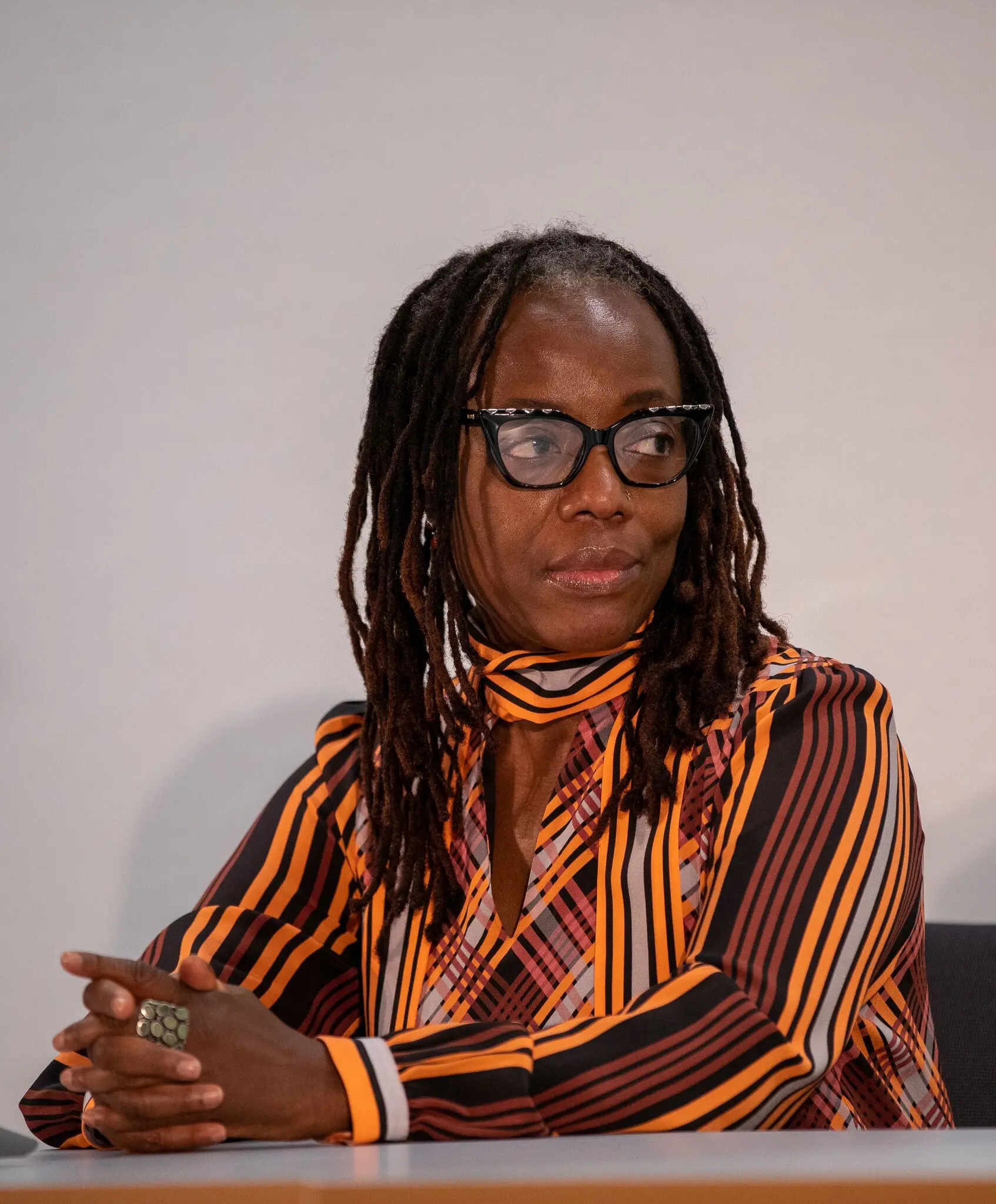
Tsitsi Dangarembga Turns From Fiction to Polemic

The essays in “Black and Female” recount the Zimbabwean novelist and filmmaker’s life in the context of colonialism and its aftermaths.

The Zimbabwean novelist and filmmaker Tsitsi Dangarembga’s oeuvre has been defined by her unwillingness to render her characters — citizens of newly independent nations, wandering through the unmapped expanse of the post-colonial moment — as unknowing innocents or foundering victims. Tambudzai — the protagonist of Dangarembga’s 1988 debut, “Nervous Conditions,” its 2006 sequel, “The Book of Not,” and the excellent and acerbic “This Mournable Body” (2018) — wants to make a respectable life for herself amid the experiment of a now self-governing Zimbabwe. At every turn she is foiled, most often by the noxious combination of racism and capitalist accumulation, and the distorted relations it produces between the novels’ characters.

But Dangarembga does not reduce Tambudzai to a passive sufferer; she can be meanspirited, Dangarembga forcing readers to walk in her jealousy-prone shoes via second-person narration. In other words, Dangarembga’s achievement has been to show the violence colonialism inflicts on human minds.

Last September the novelist, now in her early 60s, was found guilty of “promoting public violence” in the capital city of Harare, where she peacefully protested state corruption back in 2020. Perhaps her persecution (she was given a suspended prison sentence), and the political climate that surrounds it, at least partly inspired her new essay collection, “Black and Female.” In it the author turns her withering attention more acutely upon her nation’s politics via forthright — and sometimes overly broad — polemic. In essays that range from an account of her writing life to an examination of the reasons feminism has failed to win victories for Zimbabwean women, Dangarembga weaves personal and material histories to explain how race and gender are lived in her country. The result is a compelling collection that sometimes stumbles, leaving this reader pining for her trademark exactitude.

Though at times Dangarembga feints toward a Frantz Fanon-inspired, phenomenological account of Black experience (“I am an existential refugee. I have been in flight since I left the womb”), these essays are mostly about a particular experience of Blackness that is grounded in the history of Zimbabwe. Born in an American Methodist Episcopal mission hospital in northeast Zimbabwe, she ties these origins to colonial history: Her parents worked hundreds of miles from the hospital, but chose it because they were “staunch members” of the United Methodist Church, in what was then the British colony of Southern Rhodesia. Read More…

Previous Post

Here are the nominees for Sveriges Radio's Novel Prize 2023

Next Post

‘A Library to Flee’ hovers between fantasy and reality

Comments