10 best US island camping destinations for 2022
-
 Loading...
 - archie zachary
- 29 Apr 2022
- 332 Views
- 0 Like
- 0 Comment
Read on for some of the best island camping spots across the US – from California’s rugged Channel Islands and Wisconsin’s stunning Apostle Islands to coastal barrier islands home to wild horses and historic ruins you might have missed along the East Coast, too.

Jekyll Island, Georgia: Best for campers who like to bike
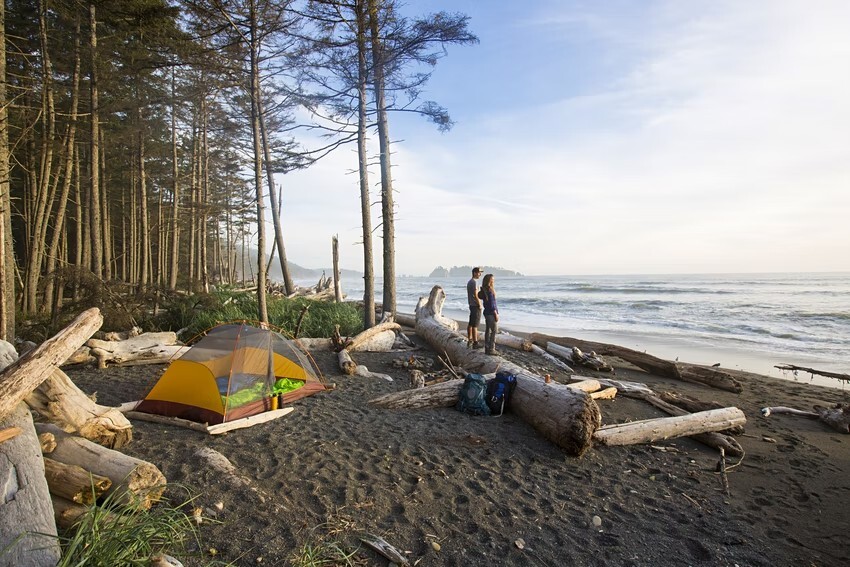
Islands and beaches may not be the first thing most people think of when they think of Georgia. But one of the best places in the US for island-style camping is found on this inimitable barrier island that’s entirely state park. Jekyll Island lies off the southern reaches of the state’s 110 miles of coastline and can be reached by car. You’ll want to bring your bike, too (or rent one once you get here) since cycling is the best way to enjoy the roughly 25 miles of paved trails that circle the island. Jekyll’s golden beaches are so wide at low tide, too, that you can bike right atop them for miles as well. Jekyll Island Campground has tent and RV sites spread across 18 acres shaded by a dense canopy of oak trees. The island’s most beautiful beach, Driftwood Beach, carpeted with logs and big craggy limbs the tide washes in, is just a ten-minute stroll away.
Expert tip: Driftwood Beach steals the Instagram spotlight here. But for a less-crowded stretch of sand make your way to Jekyll Island’s southernmost stretches and the lonelier beaches at St. Andrews Beach Park.
Spoil Islands in Indian River Lagoon, Florida: Best for BYO boat camping
Trying to snag a waterfront campsite at a state or national park in Florida during the cooler months of the year is no easy feat. But boaters know that some of the best islands for camping don’t even require a reservation. Located within the Indian River Lagoon, one of North America’s most biodiverse estuaries that runs along 40 percent of Florida’s east coast, the Spoil Islands offer an away-from-it-all camping experience to anyone with a boat to access them.
Here, surrounded by native palms and mangroves, you can camp on the sandy islands designated for recreational use (some of the Spoil Islands are protected)--for free! Some of the prettiest among them are a short cruise from the riverfront city of Fort Pierce, on Florida’s east coast, where Captain Mike Dedrick of Happy Pineapple Boat Tours leads both day trips and overnight camping adventures to sleep on secluded isles.
The product of channel dredging in the Intracoastal Waterway, the Spoil Islands hardly look manmade since they’ve been reclaimed by native grasses and mangroves over the decades. On clear nights, look for shooting stars streaking the inky sky overhead. Frequent manatee and dolphin sights are par for the course in these parts, too.
Expert Tip: Stock up on fresh Florida citrus and other produce before heading out to camp at the Downtown Fort Pierce Farmers Market, held every Saturday morning and considered one of the best in the state.

Cumberland Island, Georgia: Best for campers who love lonely beaches
Reaching this other fabulous barrier island for camping along Georgia’s southernmost coast requires hopping a passenger ferry 45 minutes from St. Marys (or arriving by private boat). But it’s worth the effort to get to Cumberland Island if you’re looking for beachfront and wilderness campsites with no RV camping – not to mention far fewer crowds than Jekyll Island, which lies just north.
You’ll need to pack your own food, as there are no restaurants or shops on Cumberland Island. There are also no paved roads, but plenty of sandy trails to pedal a fat bike along (bring your own on the ferry for a small surcharge, as you can’t rent bikes on the island).
The island’s nearly 10,000 acres of congressionally designated wilderness span coastal maritime forests, towering dunes, marshes and freshwater lakes. And the five island campgrounds include three wilderness ones that you’ll need to hike or bike into with no amenities as well as two campgrounds with amenities (flush toilets, fire rings and the like) that are closer to the ferry dock. Don’t miss a visit to the Dungeness Ruins here–the incredible remains of a 19th century mansion that served as a winter residence for members of the Carnegie family that you can walk through to explore.
Expert tip: Unless you’re staying at Sea Camp Campground, closest to the ferry dock, don’t even consider bringing a wheeled cooler as you won’t be able to drag it to your campsite. Opt for a backpack-style cooler, instead.

Assateague Island National Seashore, Virginia: Best for car campers who want to feel remote
While the sublime east coast barrier island of Assateague Island reaches into both Maryland and Virginia, you can only camp on the Maryland side, where bayside and oceanside campsites within the national park (as well as backcountry wilderness sites) welcome visitors year-round.
Assateague Island is famous for the wild horses that roam in herds on either side of the state line. And you might see non-native Sika deer here, too – a species from Asia introduced to the island in the 1920s. Birders descend during the fall months to scout for some 300 species of migrating waterfowl that pass through on routes south along the Atlantic Flyway.
To escape some of the crowds at the popular oceanside camp sites, book one of the walk-in oceanside camp sites – just a short walk from the central parking lot, but far lonelier.
Expert tip: Invest in a few extra-long tent stakes if you’re camping on the oceanside here, as they’ll help your tent stay firmly in situ when the Atlantic Ocean breezes start cranking.