10 Business Travel Tips You Probably Forgot Since Your Last Trip
-
 Loading...
 - Dzifa Nsiah
- 13 Sep 2022
- 71 Views
- 0 Like
- 0 Comment
Everyone has a business travel horror story. One time a hotel receptionist said I was trying to check in a full day before my reservation and that they didn't have a room for me that night (I wound up bunking with a very generous coworker who had an extra bed). A former colleague got stuck in Russia for about a week once due to some inexplicable mix-up relating to airplane manifests and visas (or his lack of offering a bribe, perhaps). Recently, a friend of mine wasn't told that a 9 a.m. meeting involved taking a 7 a.m. boat to the location and she arrived two hours late.
Business travel can and does go wrong, though you reduce your chances of hiccups the more you prepare. And if you haven't traveled for work in a while, you might not remember everything to it, down to the right way to pack your bags! Here are some tips and reminders to review before your next business trip.
1. Confirm All Your Reservations
Have I shown up to an airport only to find that a ticket I thought had been booked by a travel agent or sponsor had merely been reserved? And never paid for? And then I had to turn around and get in a taxi and head home instead of going on my business trip? Uh, yes.
Always confirm your reservation at least 48 hours before you travel. "Confirm" means go the extra step to make sure everything is verified. For airline tickets, look up the booking reference number alongside your name online to make sure your ticket has been purchased, not just reserved. For hotel reservations, call the hotel directly and double check the dates and address; if you need special accommodations, like an accessible room or a refrigerator for medication, confirm those details, too. Do the same for car rental reservations, train tickets, and other modes of travel. It's much easier to fix problems two days in advance than on the spot.
2. Don't Settle for Less Than a 3-Hour Layover
As I was working on this article, I asked coworkers to share their business travel horror stories. A surprising number of them involved "the airport dash," that breathless run through a crowded terminal that anyone who has seen Home Alone can picture vividly.
When booking business travel, don't settle for a layover shorter than three hours, regardless of whether you or someone else (like a travel agent) is making the itinerary. The advice was different a few years ago, but now with 11% more flights being canceled and delayed compared with pre-pandemic times, three hours is the minimum.
When you first get your itinerary for a business trip, check the layover times closely and if you're being asked to make a connection with insufficient time, do not approve the ticket. Ask for a new itinerary instead. And when arriving at an airport, show up two hours early if the airport is familiar to you and plan for three hours if it's not.
3. Renew Your IDs
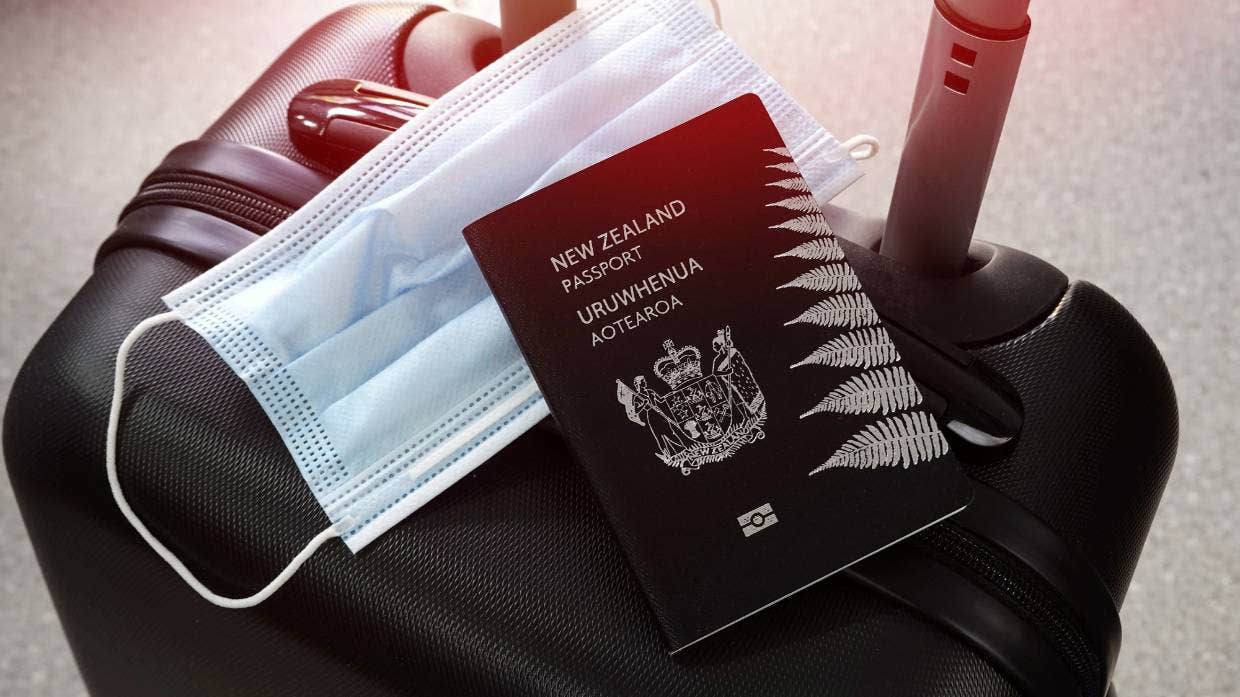
If you haven't traveled much in the last few years, check the expiration date of your passport and other IDs well in advance of booking air travel or any international travel. Leave yourself plenty of time for renewing those personal documents, as some agencies are still behind on their processing times after being short-staffed since the start of the COVID-19 pandemic.
For passports, it's always advisable, no matter what kind of trip you're taking, to leave a trusted person with a a black and white photocopy of your ID page. You can save a digital copy for yourself as well, as long as you put it somewhere secure. For example, storing a copy on a cloud service that uses encryption is all right, and making it password-protected is better. In the event your passport is lost or stolen, you can get the details of that page, which will help the nearest embassy or consulate cancel the old one and issue you a new emergency passport faster. Read More...