10 (Modern) Essentials Every Hiker Should Carry
-
 Loading...
 - sara harriet
- 19 Jul 2022
- 108 Views
- 0 Like
- 0 Comment
When the third edition of the classic book Mountaineering: The Freedom of the Hills was released back in 1974, it quickly became a must-read for any outdoor enthusiast. The book was jam packed with practical advice, clever tips, and fascinating stories not only for climbers, but for hikers and backpackers, too. It was also the first published version of an iconic list of hiking essentials that remains just as relevant and important more than 45 years later.
The “10 essentials of hiking” were designed to provide hikers and backpackers with a list of outdoor gear that they should take with them every time they hit the trail. Over the years, the list has been updated and modified a bit, but its purpose has remained largely unchanged––keeping us safe in the backcountry.
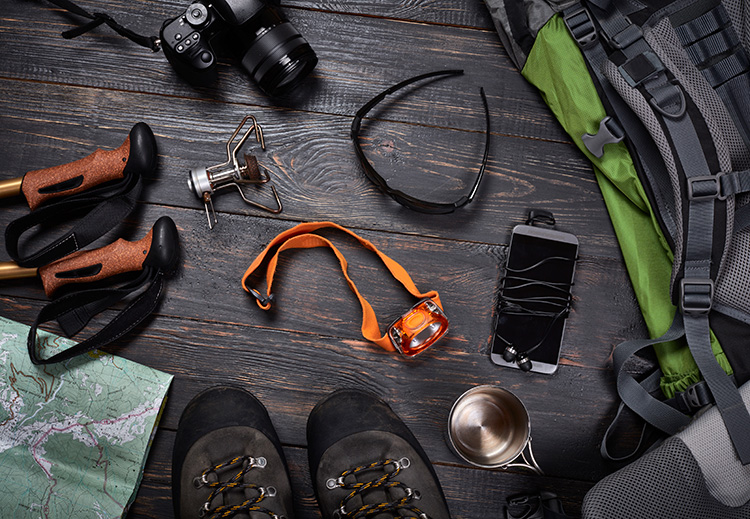
Whether you’re heading out for a day hike, or spending weeks on the Trail, these are the 10 classic essentials redefined for the modern age that you should always carry in your daypack, plus a few extra items thrown in for good measure.
1. NAVIGATION

When the 10 essentials were first introduced navigation meant knowing how to properly use a compass and map. Those skills are no less important today, but the advent of GPS technology has brought new options to the category. Now, we can carry dedicated GPS devices with detailed maps of just about any place in the world. We can get navigational cues from our watches or even use our smartphones to help us find the way. That said, a good compass never runs out of battery life nor does it ever require a cell phone network to function properly. Carry one.
2. SUN PROTECTION
Proper sun protection isn’t just about wearing sunscreen. It also includes wearing sun glasses, a wide-brimmed hat, and even outdoor apparel that offers some level of protection from the sun’s ultraviolet rays. Also, don’t forget to bring protection for your lips as well.
3. INSULATION
The options for bringing insulated clothing to keep us protected from the elements has expanded greatly since the publication of the original 10 essentials list. Today we not only have hydrophobic down that can resist water on an impressive level, but we also have our choice of a dizzying array of synthetic insulations such as PrimaLoft, Polartec, merino wool, and aerogel. The best part is that these insulators come in a variety of weights and garments, ranging from the ultra-packable variety for use in moderate temperatures to the thick and bulky, which are designed for use in extremely cold environments.
Quick Tip: There’s an old adage amongst hikers and backpackers that says, “cotton kills.” Avoid wearing cotton clothing when hiking as those fabrics can take a long time to dry and offer no real temperature control in warm or cold environments. Instead, look for apparel made from merino wool or synthetic materials that are designed to be fast drying and have moisture-wicking properties.
4. ILLUMINATION

Getting caught out on the trail after dark can spell disaster, which is why you should always bring a flashlight or headlamp with you even if you only plan to be out for the day. Modern flashlights and headlamps often use LED bulbs and rechargeable batteries, which allow them to run longer and brighter than previous-generation models. Just be sure they are full charged before you set out for your hike.
5. FIRST AID KIT

The modern first aid kit not only comes equipped with bandages, adhesive tape, and gauze pads, but it includes insect repellant as well. It should also be stocked with options for treating blisters (the most common trail injury), bug bites, and the aches and pains that come from build your own medical bag to meet your needs or you could simply buy one from Adventure Medical Kits and get everything you need in one compact, lightweight and affordable package. Read More…