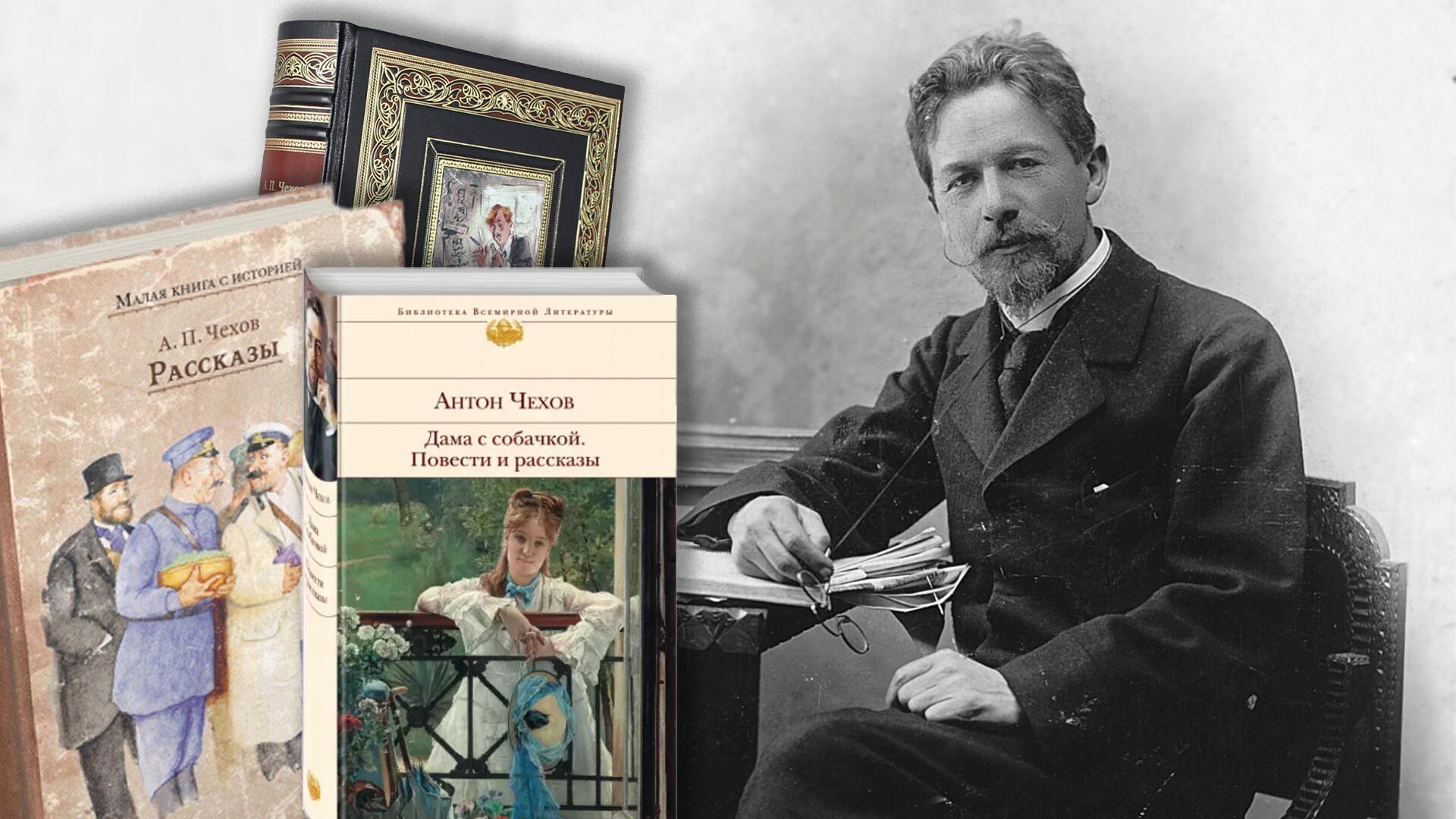
10 must-read short stories by Anton Chekhov
-
 Loading...
 - Jeffrey McKay
- 02 Feb 2022
- 427 Views
- 0 Like
- 0 Comment
Chekhov wrote more than 500 short stories, which, in terms of depth and artistry, rival the great novels of other writers. He was the first to focus not on overblown drama, but on everyday life. The characters in his stories often dissolve into routine and circumstances, displaying no aspirations of their own. Contemporaries loved it: these were real people. Chekhov did not judge them, did not denounce them, but rather fixed them with the gaze of a detached observer.
Maxim Gorky wrote to Chekhov that no one could equal him when it came to writing about the simple things. "After reading even your most insignificant story, everything else seems crude, written not with a pen, but with a log."
Here are ten of the master storyteller’s must-reads.
1. The Chameleon, 1884
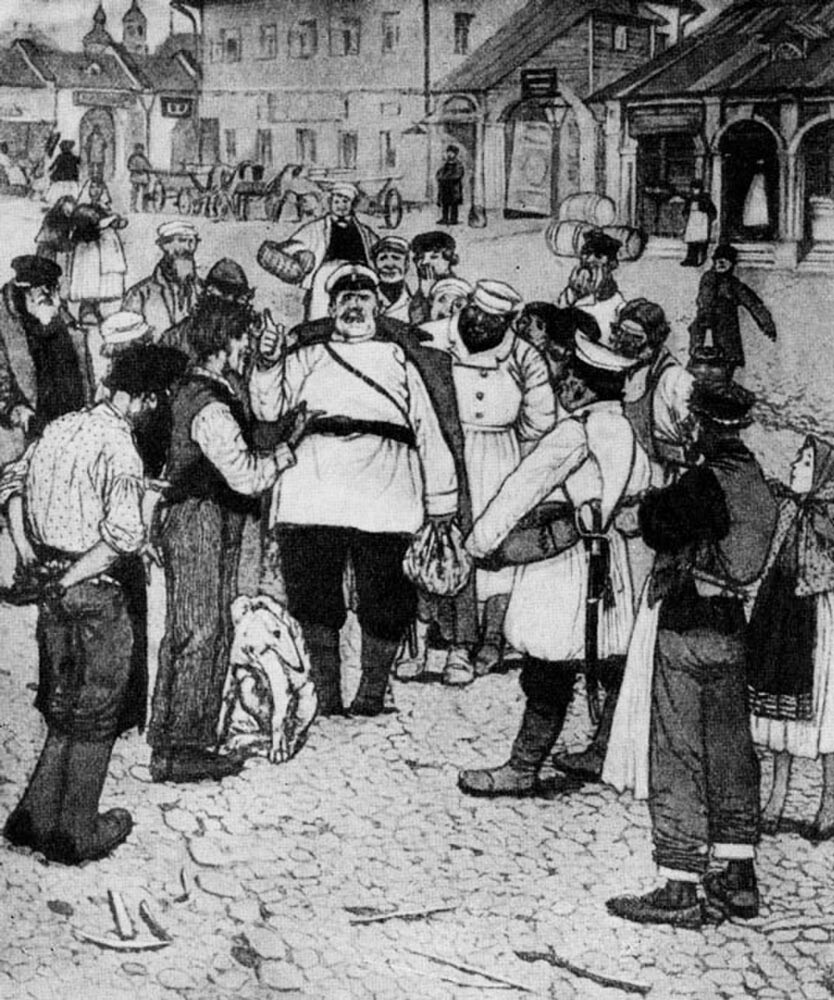
A minor episode occurs on the market square of the city of N: a dog bites the finger of the goldsmith Khryukin and kicks up a fuss. Police inspector Ochumelov arrives to sort out the issue. At first, the inspector exclaims that the animal should be put down and its owner fined. But when he learns that the dog belongs to a general, his opinion changes. All of a sudden, Khryukin is to blame for provoking the animal.
It transpires, however, that it might not be the general’s dog after all, in which case it should definitely be put to sleep…
One of Chekhov’s first stories, read by all schoolchildren, it is a humorous critique of how people’s attitudes change chameleon-like, depending on who they are dealing with: a high-placed official or a nobody.
2. Vanka, 1886
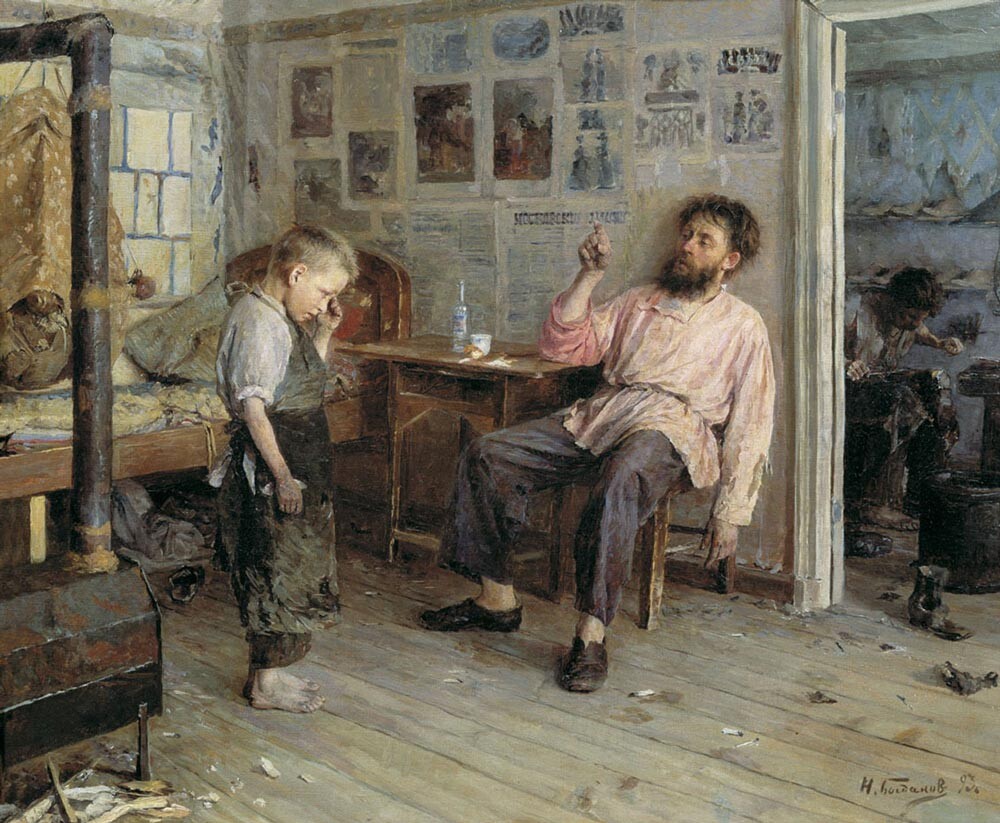
Nine-year-old Vanka, already a shoemaker’s apprentice, has no father or mother. The night before Christmas, when everyone has gone to mass, he takes out a crumpled sheet of paper and begins to write a letter to his grandfather. The boy describes how badly the shoemaker treats him, how poorly he is fed, how he gets beaten even for trivial offenses, and how the other apprentices mock him. The boy asks his grandfather to come and take him away, promising to be obedient and help him with everything. “I want to run away to the village, but I don’t have boots, I’m afraid of the cold.”
Do you believe in Christmas miracles? Neither does Chekhov. Not knowing his grandfather’s address, the boy writes on the envelope: “To Grandpa’s village.” This phrase in Russian has become proverbial, meaning a fruitless effort to make contact with someone.
3. Kashtanka, 1887
A small dog, a cross between a dachshund and a mongrel is lost, after her owner got drunk and wandered off. A passing stranger takes pity on her, takes her home, feeds her and decides to keep her, naming her Kashtanka. The new owner turns out to be a circus performer and makes the dog part of the show. During her debut, someone calls her by her old name – her former owner is there in the audience.
Chekhov humanizes the dog and her thoughts, endowing her with feelings and a sense of loyalty that puts humans to shame. She is attached to her old master, and even now, having found a more loving home, she is sad and fondly recalls the torment she suffered at his son’s hands. She will never exchange her owner for warmth, comfort and circus thrills. So when he calls her name, she immediately runs to him.
4. The Student, 1894
When a student of the Theological Academy is walking home, the cold sets in abruptly and a strong wind begins to blow. In a gloomy mood, he starts to imagine how the bitter wind must have blown at the time of Rurik and Peter the Great, and has been blowing for a thousand years, during which time nothing has changed, the same poverty, longing and ignorance still abound. On the way, the student encounters two widowed peasant women from his village: a mother and daughter. Out of boredom, he begins to retell them the biblical story of Peter’s denial of Christ and suggests that it must have been a similarly cold and awful night. The mother weeps at his words. And the student realizes that she truly empathizes with Peter’s anguish, and the tale resonates with her despite the passing of centuries…
In the course of this (very) short story, the student undergoes an incredible transformation. Reading the Gospel and church books is boring for him, and it is only through meeting real people and understanding their experiences that the meaning of life can be glimpsed. Read More…