100 masterpieces of Russian literature you should read

From ancient tales to modern novels, we bring you a selection of books that can all be considered timeless classics. Many of them are part of the school program, not only in Russia.
1. The Tale of Igor's Campaign (1185)
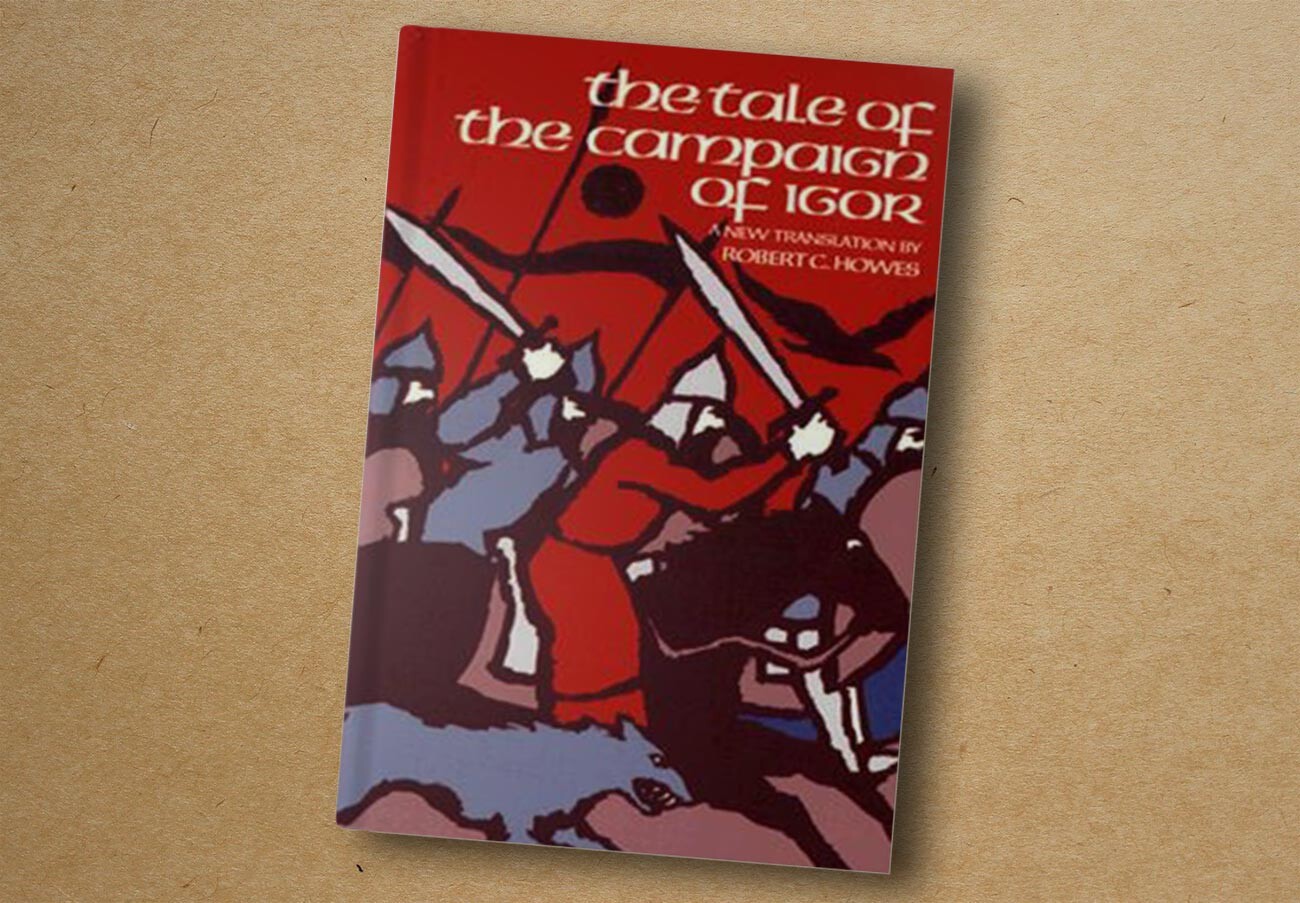
This "tale of woe" about Prince Igor's unsuccessful campaign against the Polovtsians, a Turkic nomadic people, is one of the oldest surviving works of Russian literature, believed to have been written around 1185. The work, which is very complex in structure, encompasses several genres: heroic tale, song and epic. According to Dmitry Likhachev, an eminent 20th-century Russian medievalist and linguist, the purpose of the Tale was not to show in detail the prince’s campaign itself, but to expose the shortcomings of feudal fragmentation in Russia. The work influenced many writers, and since the 19th century Russian poets have created ever more modern “translations.”
2. The Life of Archpriest Avvakum, Written by Himself (1672)
It is with the genre of hagiography that all ancient Russian literature essentially begins. The chronicler monks canonically described the righteous lives of saints and the miracles they performed. "The Life of Avvakum" differs in that it was compiled during his lifetime, and by himself. The text is replete with references to specific people, names of places and details of his life. Avvakum also mentions miracles, listing cases when he healed people or saved them from demons. That said, the main theme is the church reforms of Patriarch Nikon (whom he labelled an apostate) and the birth of the Russian Old Believers, which, as the leader of the schism, ultimately led to Avvakum’s execution. His biography was banned for almost 200 years, and when it was finally published, in 1861, it caused a sensation. It influenced Tolstoy, Dostoevsky and many other writers. Read more here.
3. Russian folktales
Folktales were passed down orally from generation to generation; even adults listened to them in the evening while weaving or sewing or doing other work. They were everyday moralistic stories, fables about animals and fantastic creatures, fairy tales about princesses and princes. They essentially shaped the national character and cultural code.
All Russian writers and poets were brought up on Russian folktales; many repurposed or adapted them for use in the own works. Some of their creations have become so entrenched in the people’s psyche that not everyone remembers which are genuine folk stories and which are the product of a single author’s imagination. A great contribution to the preservation of Russia’s folklore heritage was made by Alexander Afanasiev, who wrote down the main tales and published the most comprehensive collection, entitled "Russian Folk Tales" (1855-63).
4. Alexander Radishchev. Journey from Petersburg to Moscow (1790)
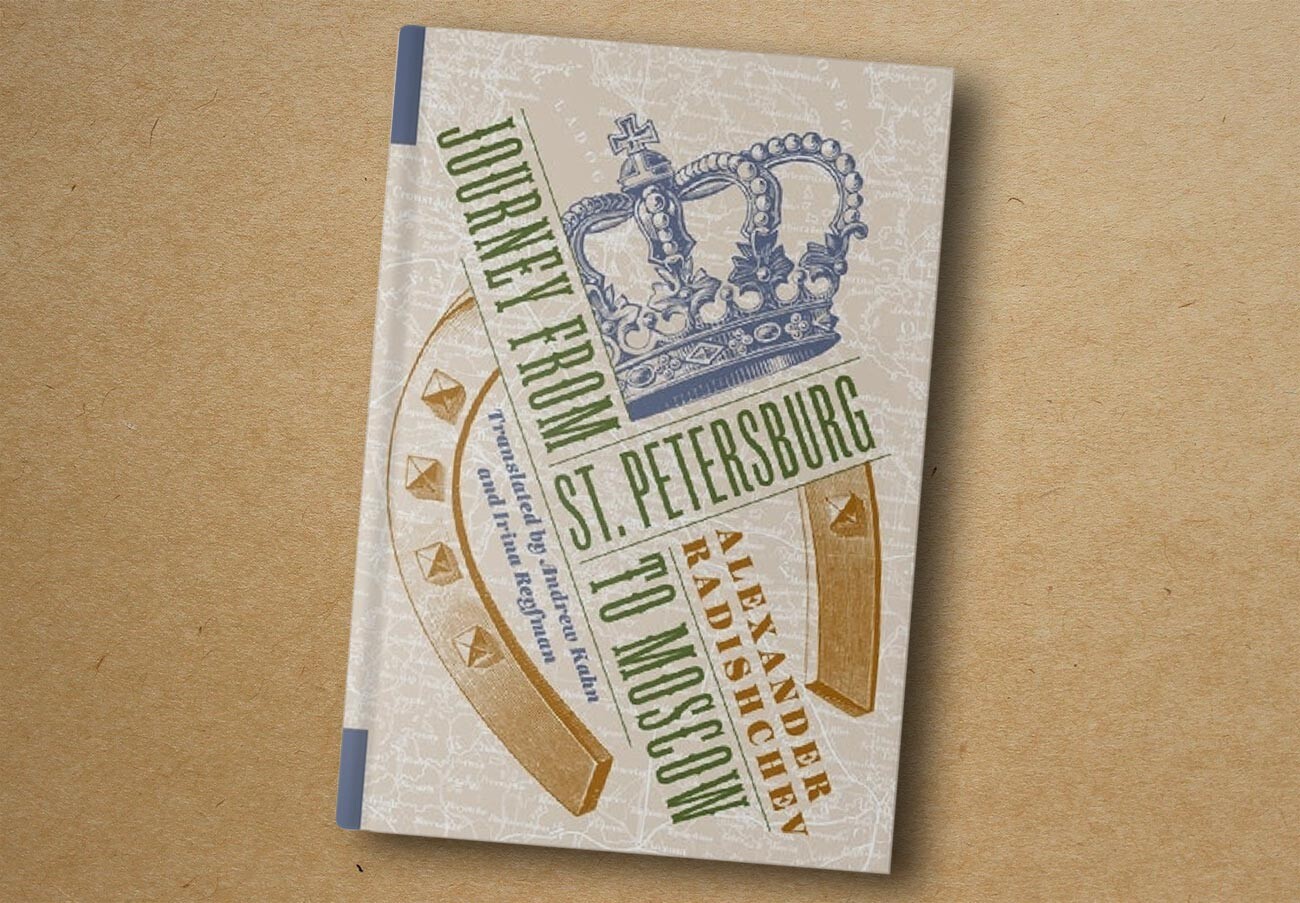
As a civil servant, Radishchev traveled many times between Russia’s two capitals and observed the lives of the peasants along the way. He wrote a grim and truthful report on life in the Russian countryside, and expressed very bold views about serfdom and the shortcomings of the social order. Having read the work, Catherine the Great was furious, ordered it to be banned (it was published only in 1905), and branded the author “a rebel worse than Pugachev.” Radishchev was imprisoned and sentenced to death, but this was commuted to exile in Siberia. He was one of the first Russian authors to suffer for telling the truth.
5. Nikolai Karamzin. Poor Liza (1792)
A tear-jerking story of how a nobleman seduces a peasant girl and abandons her after a night of love. The work is considered a model of the Russian sentimental tale. "Poor Liza" captivated readers with its unusual plot and tragic denouement. Moreover, Karamzin eschewed highfalutin language, becoming one of the first writers to use a simple style.
6. Alexander Griboyedov. Woe from Wit (1822-24)
This comedy in verse marked a real revolution in Russian drama: written in simple language, it destroyed all the canons of 18th-century classicism and became the first realist play. "Woe from Wit" is still a regular at theaters across Russia, and the names of the characters have become bywords. The action takes place in Moscow, ten years after the Patriotic War of 1812 against Napoleon.
A young man of progressive views, Alexander Chatsky, arrives home from abroad. He goes to visit his young sweetheart Sofia, with the intention of asking her father for her hand. However, it turns out that Sofia has fallen in love with another, not entirely pleasant, man, who is trying to ingratiate himself with everyone. The “reborn” Chatsky feels like a stranger in his own land and quarrels with everyone… Read more about the play here.
7. Alexander Pushkin. Eugene Onegin (1823-1830)
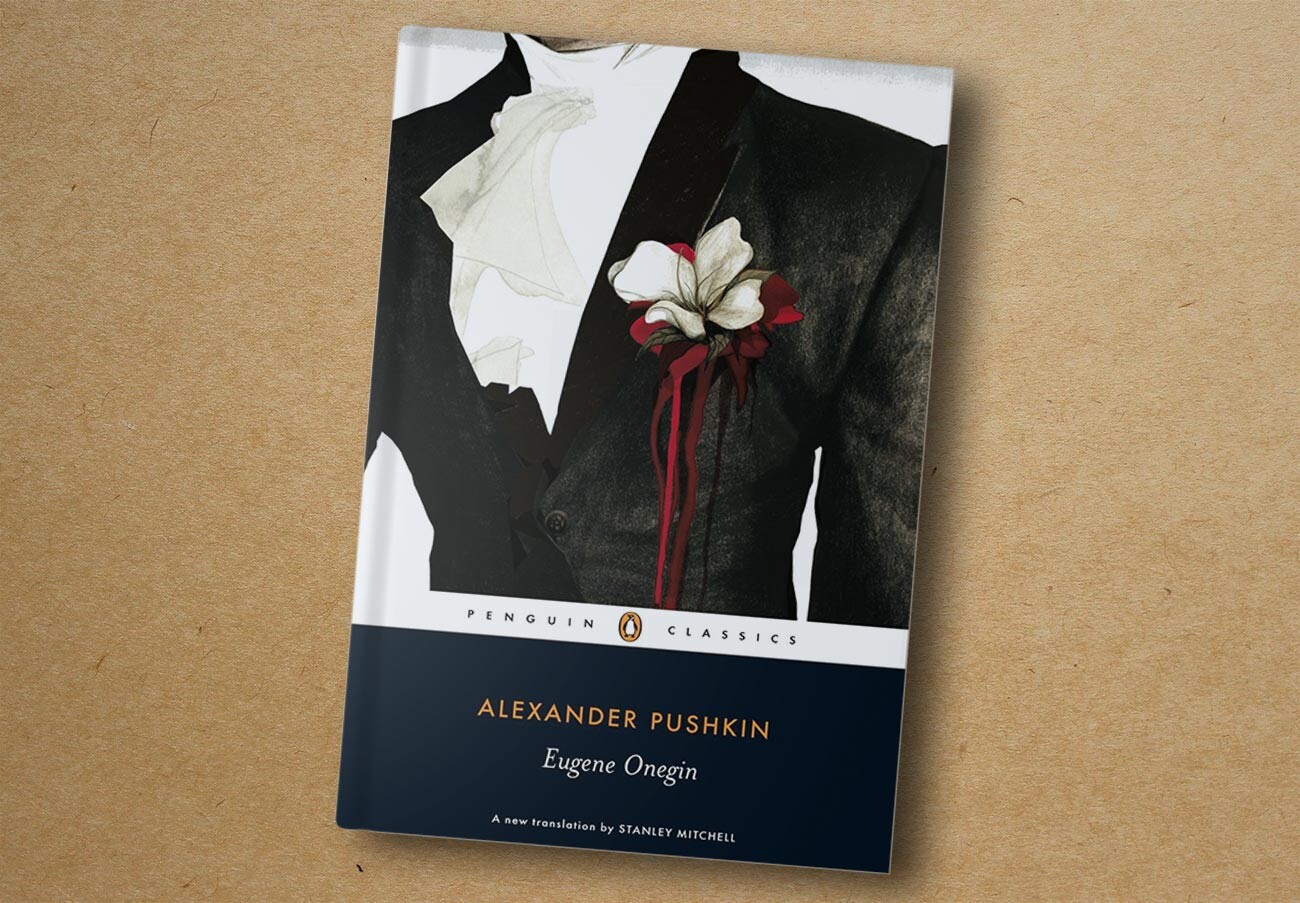
This novel in verse is considered not only the pinnacle of Pushkin's oeuvre, but an entire "encyclopedia of Russian life." The author paints a picture of a provincial estate and country living, with depictions of secular Petersburg and old Moscow.
Onegin, a young aristocrat from the capital, arrives in the village. He quickly becomes bored and seeks entertainment, but finds himself engulfed in a real drama: a neighbor's daughter, Tatyana, confesses her love for him, and another neighbor, Lensky, who happens to be his best friend, challenges Onegin to a duel over Tatyana’s flirtatious sister…
The work is almost impossible to translate due to Pushkin’s poetic wizardry and invention of the “Onegin stanza” with its precise structure and rhyme. Outside Russia, it is appreciated more as an opera, namely Pyotr Tchaikovsky’s in 1877-78. Read More…