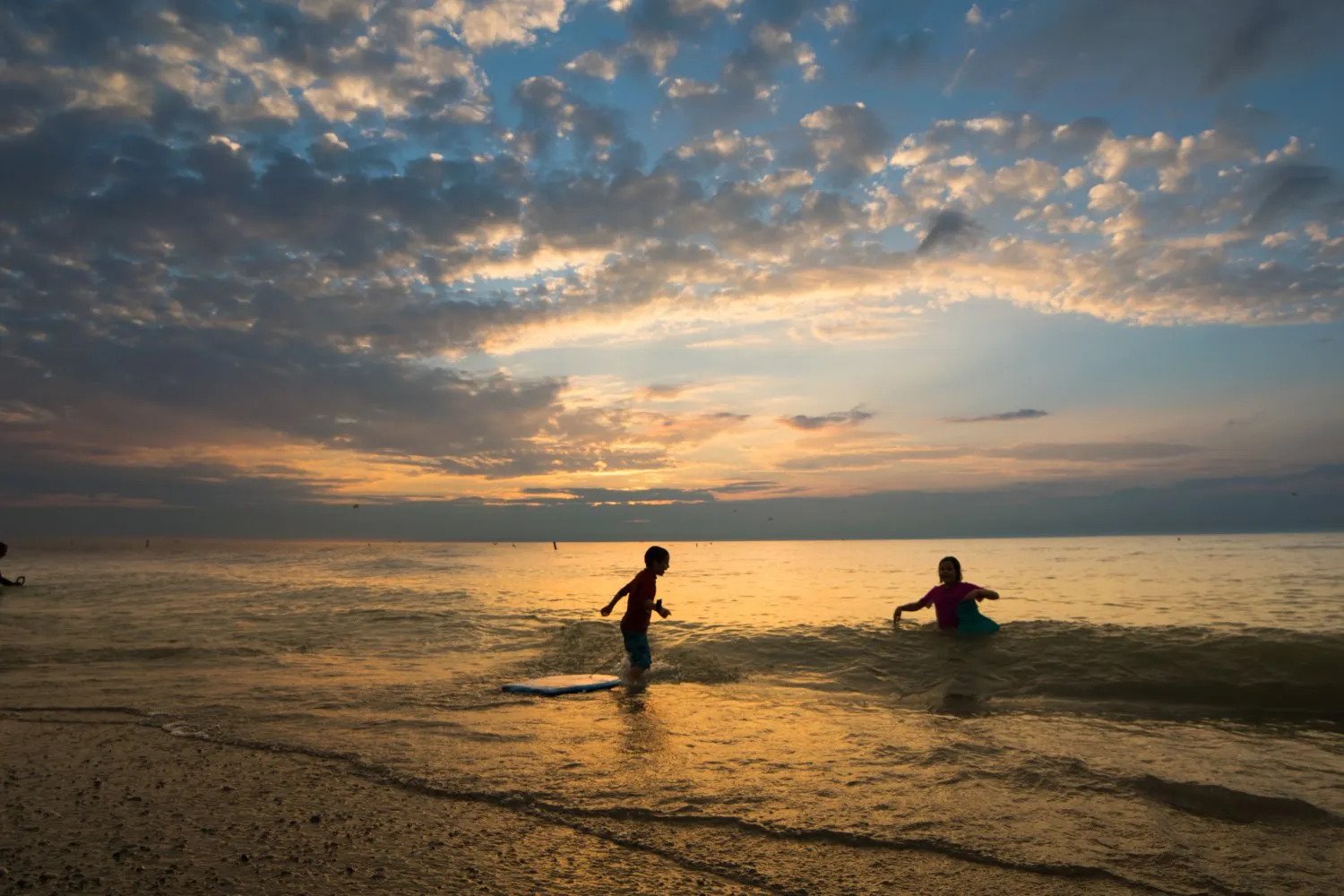
12 Top Beach Photography Tips For Your Next Vacation: Capture Your Memories in Style
-
 Loading...
 - Celeste Auclair
- 08 May 2023
- 47 Views
- 0 Like
- 0 Comment
Are you heading to the beach for your next vacation? Whether it’s a weekend getaway or a long-awaited holiday, the beach offers an idyllic backdrop for photography. From the glittering sea to the sun-kissed sand, there’s no shortage of stunning scenery to capture. But how do you make sure your photos are as breathtaking as the view in front of you? Here are 12 top beach photography tips for your next vacation:
Tip 1: Time it Right
The timing of your beach photography can make a huge difference in the quality of your shots. Plan to shoot during the “golden hours” of the day - the hour after sunrise and the hour before sunset - when the light is soft and warm. This will help you avoid harsh shadows and create a more flattering, atmospheric effect.
Tip 2: Use the Rule of Thirds
The rule of thirds is a fundamental principle of composition in photography. It involves dividing your frame into thirds both vertically and horizontally, then positioning your subject along one of the lines or at an intersection of the lines. This helps create a balanced, visually appealing image that draws the eye in.
Tip 3: Get Low
Changing your perspective can add interest and depth to your beach photos. Get down low and shoot from a low angle to create a more dramatic effect. This is especially effective for capturing waves crashing or kids playing in the sand.
Tip 4: Experiment with Exposure
Beach scenes can be challenging to expose properly, with bright highlights and deep shadows. Try experimenting with exposure compensation - the +/- button on your camera - to find the right balance between the two. You can also use a graduated neutral density filter to help balance the exposure.
Tip 5: Capture Movement
The beach is a dynamic, ever-changing environment, and capturing movement can add energy and interest to your photos. Try using a slow shutter speed to create motion blur in the waves or capture people in action.
Tip 6: Use a Polarizing Filter
A polarizing filter can be a great tool for beach photography. It helps reduce glare and reflections on the water, making the colors more vibrant and the details more visible.
Tip 7: Look for Leading Lines
Leading lines are another composition principle that can add depth and interest to your photos. Look for natural lines in the landscape - like a line of rocks or a shoreline - and use them to lead the viewer’s eye through the image.
Tip 8: Use a Tripod
A tripod is a must-have accessory for beach photography. It helps keep your camera steady and allows you to experiment with longer shutter speeds or other creative techniques.
Tip 9: Don’t Forget the Details
While the sweeping vistas of the beach can be breathtaking, don’t forget to zoom in and capture the details. A close-up of a seashell, a sandcastle, or a beach umbrella can all make for beautiful and memorable shots.
Tip 10: Include People
While landscapes are certainly stunning, including people in your beach photos can add a sense of scale and perspective. Try capturing your loved ones playing in the sand or splashing in the waves for a more personal touch.
Tip 11: Use Silhouettes
Silhouettes are a creative and visually striking way to capture the beauty of the beach. Position your subject against the bright sky - like a sunset or a sunrise - and expose for the sky to create a dramatic silhouette.
Tip 12: Edit with Care
Finally, don’t underestimate the power of editing to enhance your beach photos. Use editing software - like Lightroom or Photoshop - to adjust.