15 Lions to be rescued amid the war in Sudan
-
 Loading...
 - Nancie Murimi
- 11 Oct 2024
- 55 Views
- 0 Like
- 0 Comment
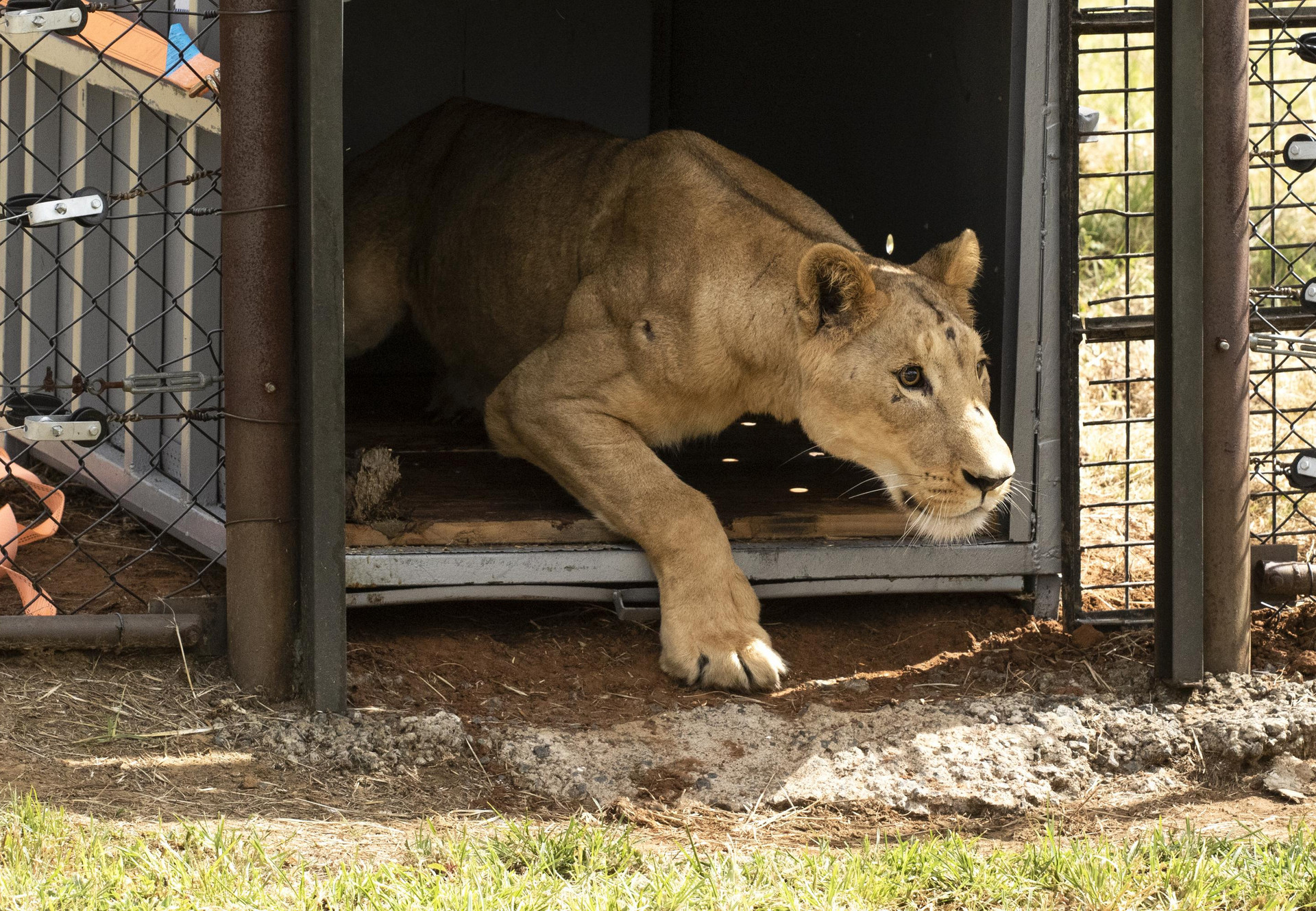
In a daring and ultra-sensitive operation amidst the ongoing conflict in Sudan, the Austrian animal welfare organization Four Paws successfully evacuated 15 lions and nearly 50 other animals from the embattled outskirts of Khartoum. This mission, aimed at saving wildlife caught in the crossfire of war, highlights the immense challenges of working in conflict zones, where both humans and animals endure the toll of violence.
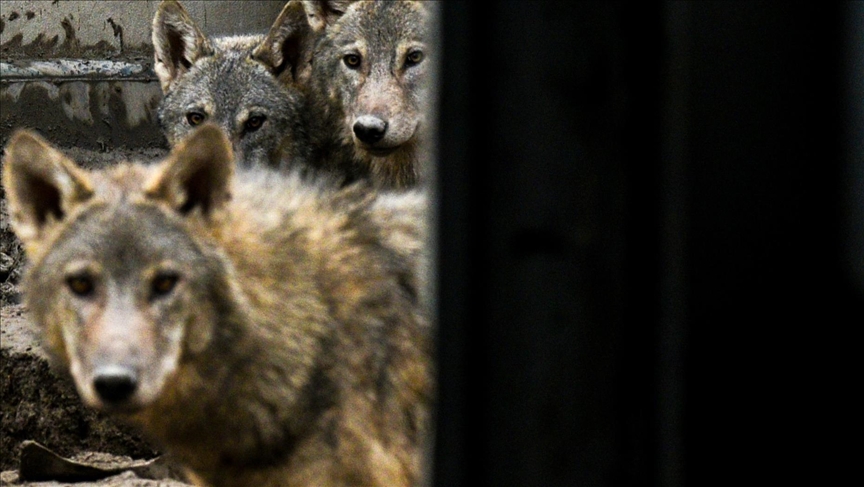
The evacuated animals, which include lions, hyenas, wildcats, birds, and reptiles, were previously housed in Al-Baguir Reserve, a sanctuary located close to an active military base. For over seven months, Sudan has been ravaged by intense fighting between the Sudanese Armed Forces (SAF) and the paramilitary Rapid Support Forces (RSF), with more than 10,000 lives lost. The war has also left its mark on Al-Baguir’s animals, many of which were injured or traumatized by the violence. The reserve itself suffered heavy bombardment, and some of the animals died due to disease or wounds.
Osman Salih, the founder of the Sudan Animal Rescue Center, lamented the situation, explaining that several lions had perished, including one lioness fatally wounded by a stray bullet, only to be devoured by her fellow lions—an unusual behavior attributed to the trauma and stress they faced.
Leading the rescue operation was Dr. Amir Khalil, a veterinarian from Four Paws, who described the animals as being in a severely weakened state, both physically and psychologically. The mission involved sedating the animals for safe transport to Oum Barona National Park, 140 kilometers from the reserve, where they will be temporarily housed and treated. The evacuation, carried out under tight security, required coordination with both warring factions to ensure safe passage.
While the operation was perilous and costly, it was essential for the survival of the animals. Four Paws, known for conducting rescues in conflict zones like Libya, Gaza, and Mosul, stepped in once again to protect wildlife in danger.
At Oum Barona Park, the animals will receive necessary care before being transferred to Dinder National Park, a safer environment near the Ethiopian border. Some animals, especially those requiring further medical treatment, may eventually be relocated to Jordan for continued rehabilitation.
This mission is another reminder of the precarious state of African wildlife, especially lions, whose numbers have dwindled by 40% over the past three generations. In Sudan, only a few lions remain in the wild. Despite the challenges, organizations like Four Paws, alongside local volunteers, continue to work tirelessly to ensure the survival of these endangered species amidst the horrors of war.