16 Top-Rated Tourist Attractions in Hanoi
-
 Loading...
 - Chiaki Makino
- 04 Jul 2022
- 118 Views
- 0 Like
- 0 Comment
The old quarter district is Hanoi's main tourist attraction. It hums with street vendor action and the cafés and restaurants are vibrant, contemporary scenes. Just trying to cross a road here can end up being an adrenaline-fueled escapade.
When the crowds begin to wear you down, Hanoi has a bundle of places to visit where you can escape for some peace.
Hoan Kiem Lake is a relaxing respite right within the city, while the Temple of Literature and Vietnam Museum of Ethnology are two of the best places to visit to reflect on Vietnam's grand history.
For more sightseeing ideas, see our list of the top attractions and things to do in Hanoi.
1. Explore Hanoi Old Town Quarter
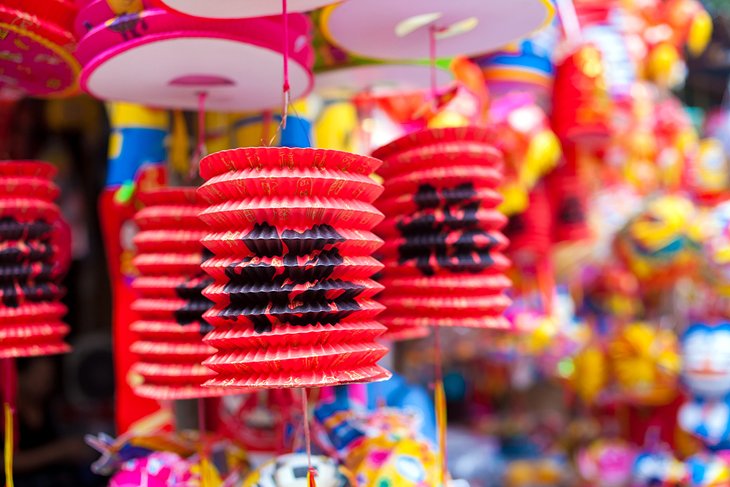
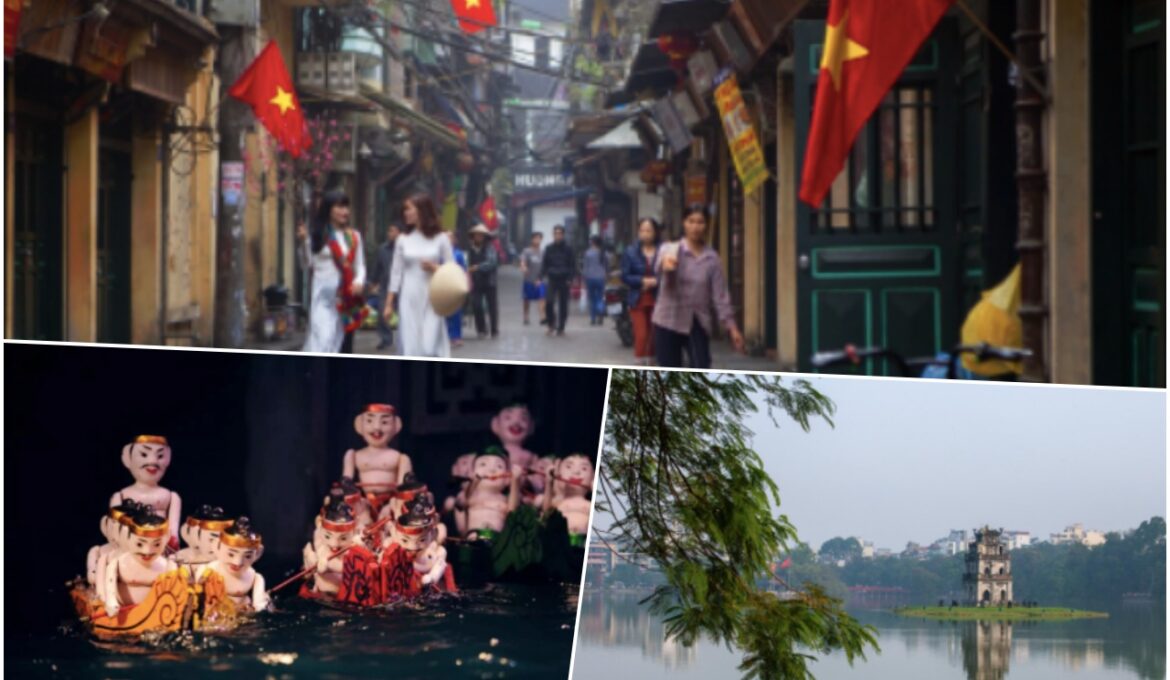
For many visitors to Vietnam's capital, the major attraction is strolling the streets of the city's ancient core.
This labyrinthine quarter of narrow alleys is the commercial heartbeat of town and has a history that stretches back 1,000 years.
It's a delightfully dilapidated place, where the odd piece of medieval era architecture has managed to cling on within the modern hubbub of whizzing motorbikes, street vendors, and pulsating commerce.
If you look up while you're wandering, the area has plenty of vernacular shophouse architecture, where merchants would traditionally live above their shops in very long but narrow two-storey dwellings, squeezed together on the alleyway rows.
The backstreets here are a great opportunity to soak up the buzz of Hanoi street life.
As well as there being plenty of street food on offer and lots of pavement vendors selling fruits and vegetables, there are also stalls selling traditional medicines and Buddhist religious trappings.
A relic of French Colonial rule, right in the heart of the old town quarter, St. Joseph's Cathedral (Nha Tho Street) was built in 1886 and is a fine example of neo-Gothic architectural style.
The façade is intricately decorated, with two bell towers, while inside are some delicate stained glass window details. The main entrance is kept locked except for mass. At other times, you can access the interior of the church from the back through the offices for the Diocese of Hanoi.
2. Stroll around Hoan Kiem Lake
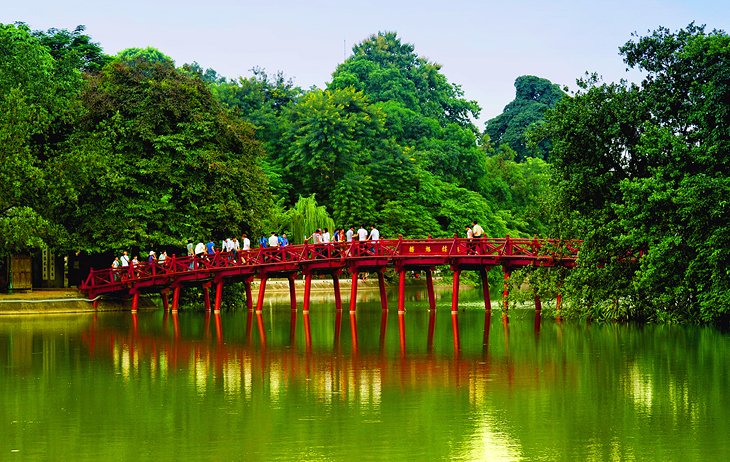
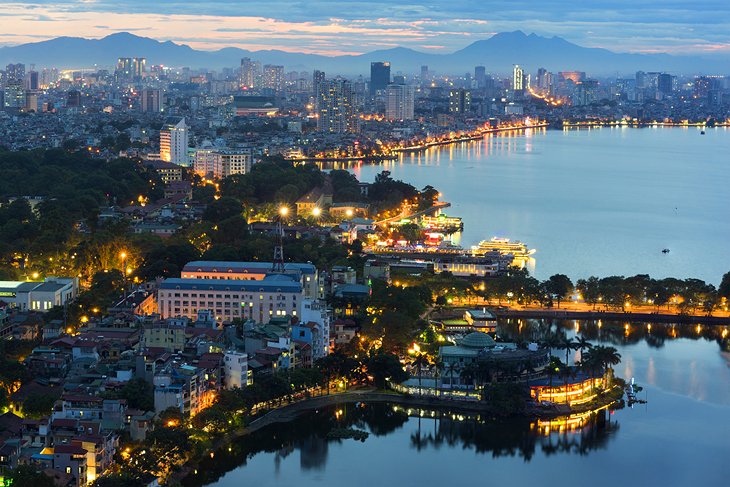
Hanoi's most well-known landmark is tranquil Hoan Kiem Lake, nestled just on the southern edge of the old town quarter.
The major tourist attraction upon the lake is the small island (reached by a red bridge) that holds Ngoc Son Temple, dedicated to three grand figures from Vietnamese history: La To (revered as a patron saint of physicians); the renowned scholar Van Xuong; and the 13th century general Tran Hung Dao, who fought against the invading Mongol army.
Another tiny island on the southern section of the lake holds the stocky Turtle Tower - best viewed from the bridge.
Address: Dinh Tien Hoang Street
3. Admire the Temple of Literature
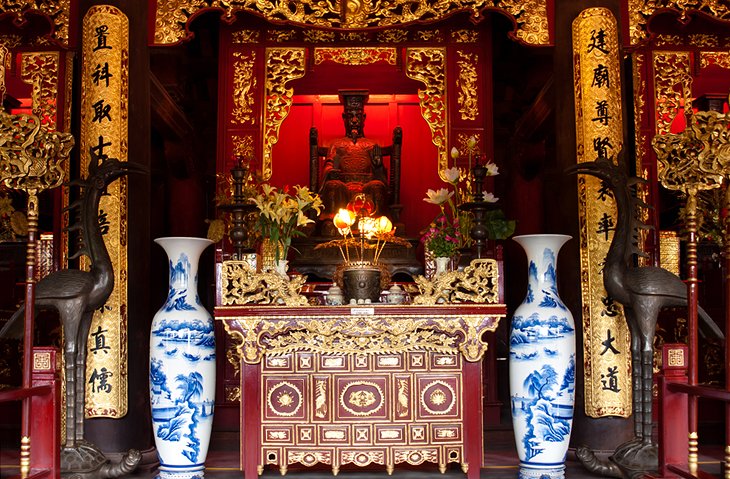
The city's most interesting religious building is this beautiful and incredibly peaceful Confucian temple, originally built as a university in the 11th century.
Today, the Temple of Literature stands as a tribute to the nation's scholars.
It was here, in the medieval era, that the philosophy of Confucianism and literature was taught, and near the entranceway, you can still see the names of students who studied here, etched into a series of pillars.
Inside, a series of manicured gardens lead to pavilions and a well-preserved pagoda where a statue of Confucius sits.
Address: Quoc Tu Giam Street
4. Visit the Ho Chi Minh Mausoleum
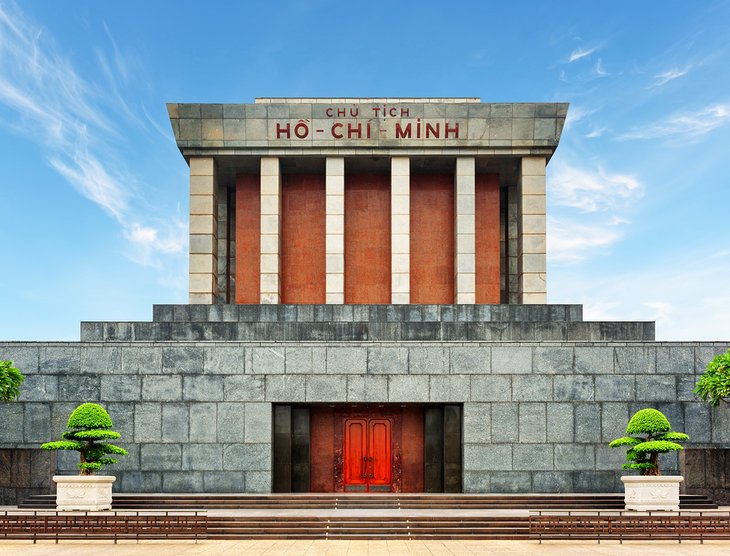
A place of pilgrimage for many Vietnamese, the Ho Chi Minh Mausoleum is a sprawling complex set within the city's gardens that contains the tomb of Ho Chi Minh as well as various museums and monuments.
The actual mausoleum itself is an austere marble building where Ho Chi Minh's embalmed body sits in a glass case.
Also within the complex is the Ho Chi Minh Museum, which has an eclectic collection containing Ho Chi Minh's personal memorabilia as well as plenty of information on the history of the Vietnamese Revolution.
Also worth a visit is the stilt house, once home to Ho Chi Minh, which is excellently preserved, and the One Pillar Pagoda. This pagoda is a reconstruction of the original 11th century temple, which was destroyed by French colonial troops.
Address: Ngoc Ha Street