16 Traditional Polish Foods You Should Try
-
 Loading...
 - Kathrine Palmer
- 11 Jul 2022
- 111 Views
- 0 Like
- 0 Comment
The rich flavors and soothing textures of Polish cuisine should come as no surprise. Many renowned cuisines have made their way into Polish cooking.
Knives and forks at the ready, as we delve into sixteen of Poland’s most popular dishes and learn about how and what makes them so delicious.
16 Popular Polish Foods
Polish Mains and Appetizers
1 – Polish Dumplings (Pierogi)
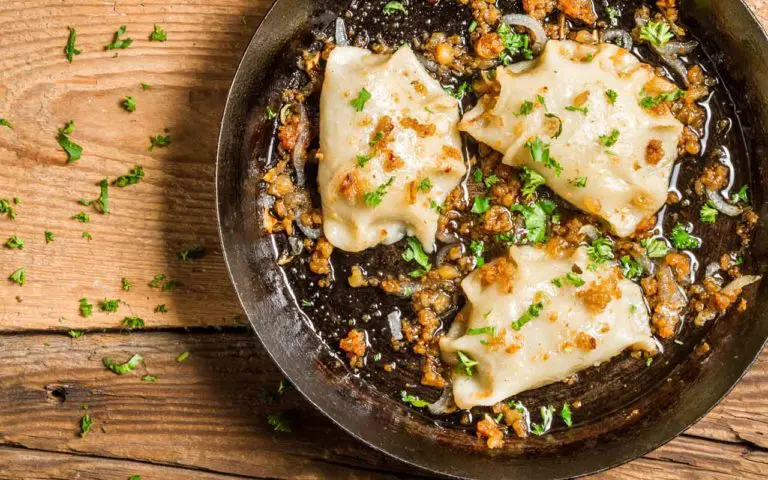
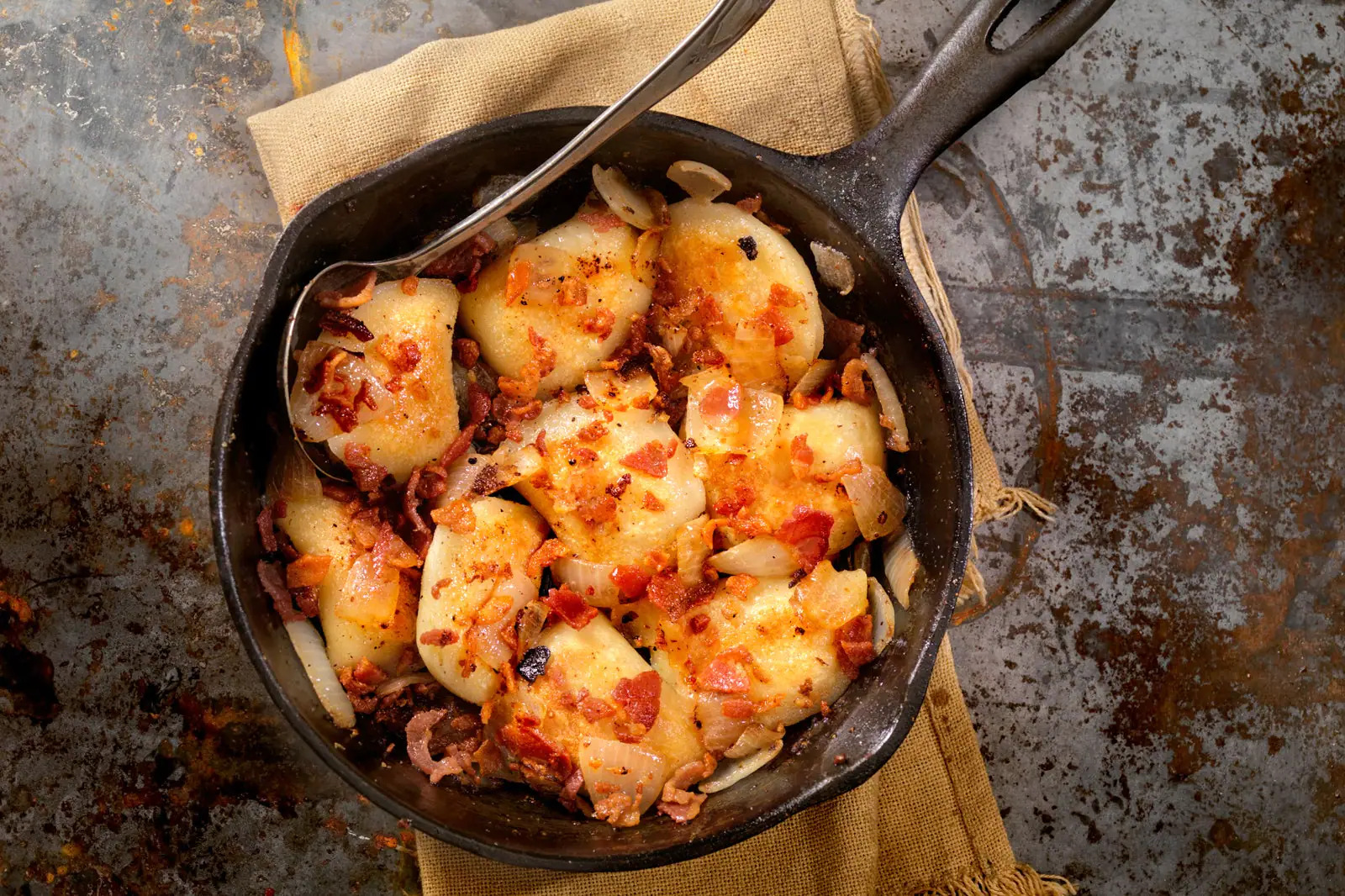
The Polish equivalent of the Italian ravioli, the Chinese dumpling, and the Latin American empanada, pierogi are a classic in every grandmother’s kitchen.
Traditionally boiled, savory pierogi can be filled with farmer’s cheese and potatoes (ruskie), cabbage and mushrooms, or meat. These pierogi are usually topped with caramelized onions that have been fried in a pan with a healthy amount of butter.
Sweet pierogi are most commonly filled with fruits such as blueberries, plums, or cherries. These sweet variations are served with sour cream that has been sweetened with sugar.
It has become more popular in recent years to experiment with different fillings in pierogi, with flavors such as spinach and feta, chocolate, or chicken, but the classics are a must-try before you stray too far from traditional flavors.
2 – Hunter’s Stew (Bigos)
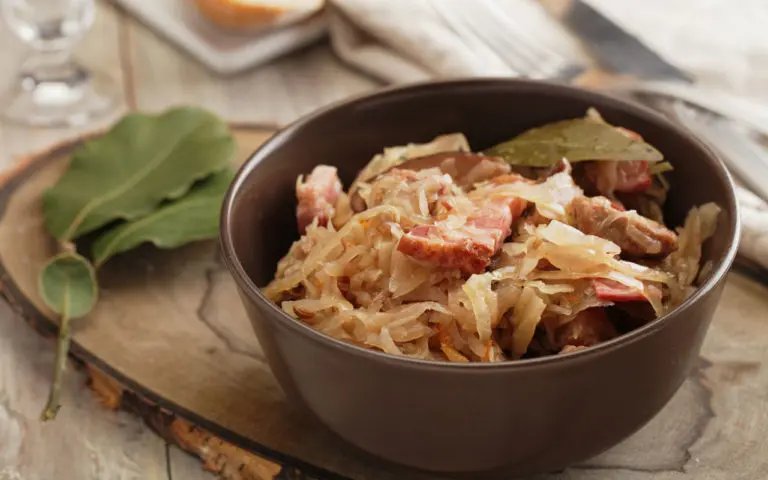
A hunter’s stew is typically made with sauerkraut, shredded fresh cabbage, and a variation of meats. This soup will appease the heartiest of appetites.
Bigos is usually served in the cold winter months. It is a very traditional dish that has been around for generations, and so every family recipe will vary slightly. However, it is traditionally made with sausage or other red meat, such as venison or pork, and flavored with bay leaves and caraway seeds. Sometimes, other vegetables or even red wine is added for additional flavor.
It is best served with rye bread. Bigos will taste better the longer it cooks, and is often regarded as being most flavorful two to three days after it has been cooked.
3 – Cabbage Rolls (GoÅ‚Ä…bki)
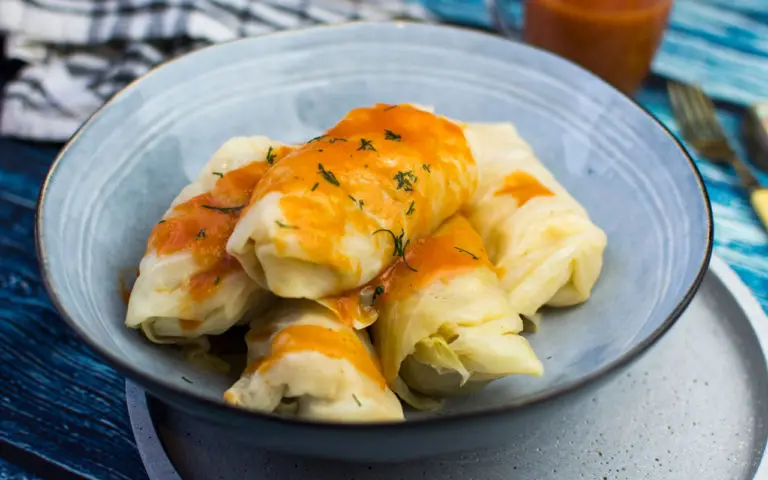
Cabbage rolls are another important facet of Polish cuisine. Cabbage leaves are filled with a combination of ground pork and rice. They are then baked in an oven with a foil cover so that they can steam.
Cabbage rolls are served with either a tomato or mushroom sauce, both of which are usually cream-based.
A vegetarian variation of the cabbage roll is presented during Wigilia, the Christmas Eve meal, which is traditionally vegetarian. Vegetarian cabbage rolls are made with barley and mushroom filling and topped with a mushroom sauce.
Cabbage rolls are a fixture in many Eastern European cuisines, and spices and sauces vary slightly from country to country. In Poland, they are called gołąbki, the plural word for pigeon, due to their rolled shape.
4 – Potato Pancakes (Placki Ziemniaczane)
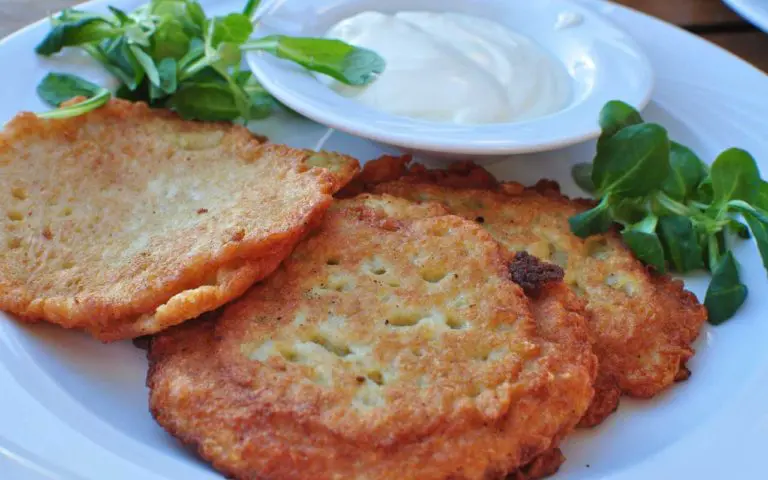
Potato pancakes, or placki ziemniaczane, are a typical Polish food also found in the Hungarian and Jewish culinary tradition.
Grated potatoes and onions are combined with egg and a touch of flour. They are then fried in oil and topped with a variety of toppings.
Some people eat them with sauerkraut, others only with sugar!
Most typically you will find potato pancakes served with a goulash made of beef and peppers and seasoned with a touch of allspice. Potato pancakes are found on most restaurant menus in Poland, and goulash can sometimes be made with pork or even chicken. This is served alongside a serving of sauerkraut and sour cream.
Potato pancakes are best served and eaten fresh since they lose their crispiness quickly.
5 – Leczo
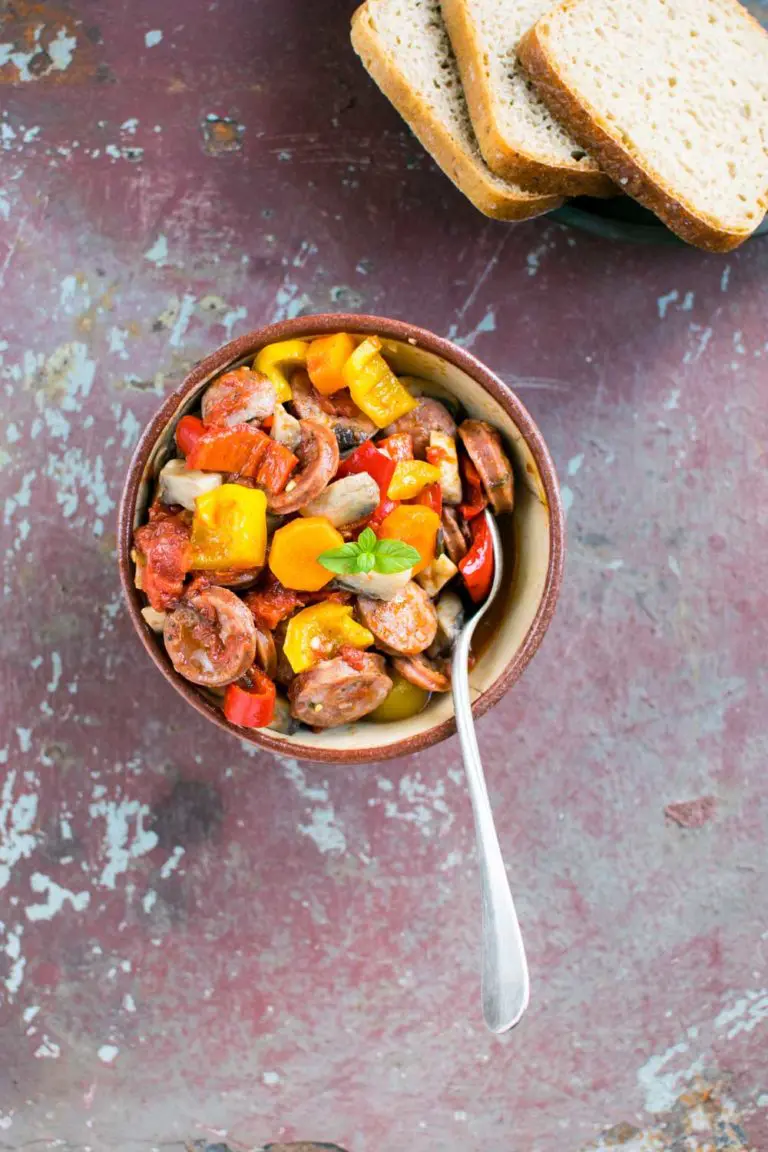
Leczo is a stew that comes from the Hungarian culinary tradition but has been a popular fixture on the Polish dinner table for years.
It is also considered traditional in Czech, Slovak, and Croatian cuisine.
It is made with a tomato base, and it includes peppers, onions, garlic, and often, sausage. It is typically spiced with bay leaves, paprika, and pepper.
Leczo is an often forgotten Polish dish due to its humble ingredients. Although it is not the flashiest Polish dish, it is worth a taste, especially since it is so simple and quick to make.
Leczo can be easily made paleo or keto, making it a good option for experimenting with ethnic cuisine if you have dietary restrictions. Simply use a paleo-friendly meat source or lower-carb vegetables and enjoy a taste of Eastern Europe! Read More…