2025 US Real Estate Forecast
-
 Loading...
 - Aziza Hamdy
- 29 Jan 2025
- 38 Views
- 0 Like
- 0 Comment
The real estate market in the United States remains a crucial economic driver, impacting millions of citizens and thousands of businesses. As we look ahead to 2025, the housing market is poised to undergo significant changes influenced by various economic and technological factors. Whether you are selling or buying a property, enlisting the help of a reputable real estate company, such as those in Atlanta, GA, can be invaluable for navigating this evolving landscape. This article explores the anticipated trends and forecasts for the US real estate market in 2025.
Residential Real Estate: Crucial Changes in Demand and Supply Forces
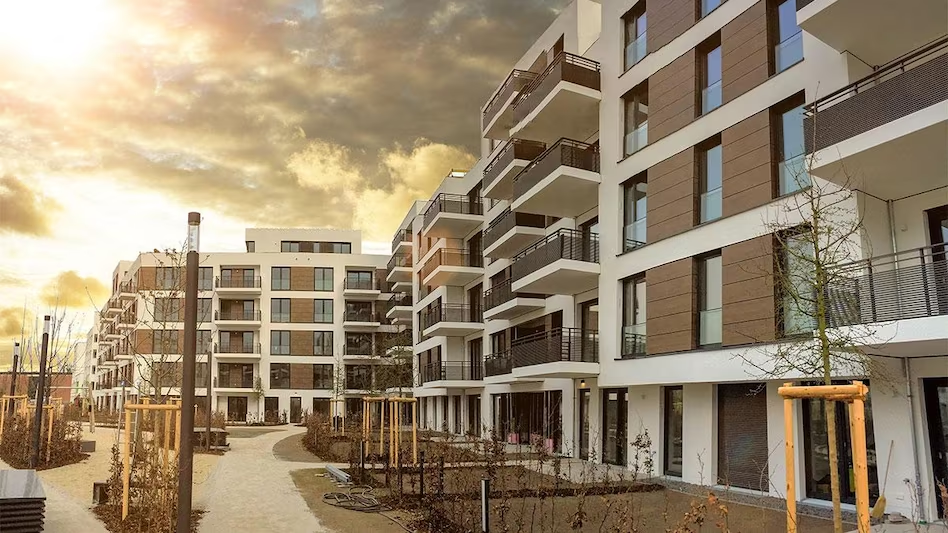
In 2025, housing inventory is expected to increase significantly. Builders are ramping up construction activity after years of supply-side constraints. This uptick is partly due to the gradual easing of supply issues and a general reduction in construction costs. As more homes become available, buyers may find greater options, potentially stabilizing prices.
Commercial Real Estate: Adaptation in a Transforming Market
- Office Space Redefined: The commercial real estate sector, particularly office spaces, is undergoing a transformation. The rise of remote work and social distancing norms has decreased the demand for traditional office environments. However, there is still a strong interest in modern Class A buildings that incorporate innovative technologies and wellness features, appealing to tenants seeking flexible and healthy workspaces.
- Industrial Estate Business Booms: The industrial real estate sector continues to thrive, driven by the growth of e-commerce and the relocation of manufacturing facilities. By 2025, the industrial vacancy rate is projected to remain below 5%, with rental rates expected to rise by approximately 6% annually. This trend underscores the ongoing demand for warehouses and distribution centers.
- Retail Sector Adjusts: The retail real estate market is stabilizing as consumer behaviors shift. Experiential retail, which combines shopping with dining and entertainment, is gaining traction. Additionally, small-format stores and last-mile distribution centers are becoming increasingly important as retailers adopt omnichannel strategies to meet consumer needs.
Technological Innovations: Digital Transformation of Real Estate
- AI-Powered Insights : Artificial intelligence (AI) is set to play a significant role in the real estate sector by 2025. AI will enhance property recommendations, automate sales processes, and improve customer experiences on real estate platforms. Predictive analytics will also empower investors to anticipate emerging market trends more effectively.
- Blockchain and Smart Contracts :Blockchain technology has the potential to revolutionize property transactions by increasing transparency and reducing fraud risks. Smart contracts can facilitate faster and more secure deal closures, particularly in commercial real estate transactions, streamlining the buying and selling process.
- Virtual and Augmented Reality (VR/AR) : Virtual and augmented reality technologies are transforming property tours, allowing buyers and tenants to interact with potential properties in immersive ways. This innovation is especially beneficial for international buyers and investors, providing them with detailed insights without the need for physical visits.
The US real estate market in 2025 will present both strengths and challenges. As the landscape evolves, it is essential for investors, buyers, and sellers to stay informed and adaptable. Embracing new technologies, exploring emerging markets, and prioritizing sustainability will be key to thriving in this dynamic environment. The real estate market in 2025 is expected to be vibrant and progressive, reflecting the ongoing changes in consumer preferences and technological advancements.