24 South American Foods You Need to Try
-
 Loading...
 - thomas logan
- 04 Jan 2022
- 515 Views
- 0 Like
- 0 Comment
From the Andes to the Amazon, incredible food can be found throughout South America, no matter which of its twelve countries you find yourself gracing and exploring.
Though this may be the tip of the iceberg, these 24 dishes are a great place to start to acquaint yourself with South American cuisine, before your senses plead with you to venture forth and discover much more!
South American Foods
Argentina
1 – Choripán (Grilled Chorizo Sandwich)
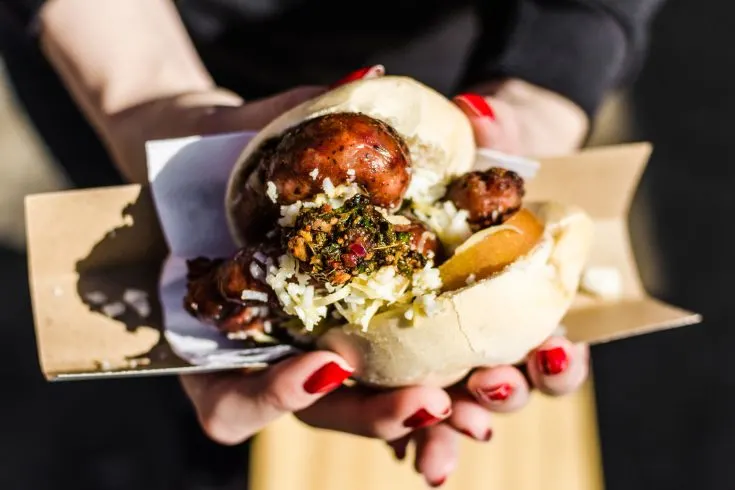
Argentina’s most beloved street food seems surprisingly simple at first – and yet, making the perfect choripán often requires years of training.
A choripán is a simple and delicious sandwich of grilled chorizo (a soft sausage made from ground pork and veal) in a small, crusty French bun. It is usually dressed with chimichurri, a rough blend of onions, garlic, parsley, oregano, and mild chili peppers.
Choripanes are usually sold at food markets and on the side of the street. This may be the secret to their irresistible appeal, as they are prepared with love and passion and made from fresh ingredients.
2 – Milanesas (Veal Schnitzel)
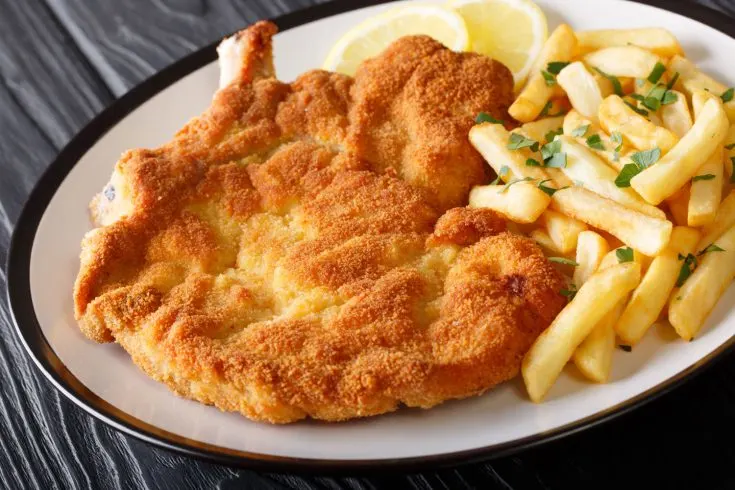
Despite their similarities with Austria’s most popular fast food, Argentinian milanesas have been imbued with a heavy dose of Italianness.
Milaneses are a dish of flavorsome thin, flattened steaks, breaded and fried until crunchy. While they can be served with French fries, many Argentinians enjoy their milaneses coated in marinara sauce and grated cheese and accompanied by a salad or side of pasta.
If you are particularly famished, you can also enjoy this Argentinian favorite on horseback (a caballo): that is, topped with two fried eggs instead of cheese.
Bolivia
3 – Silpancho (Flattened Steak Topped with Fried Egg and Plantain)
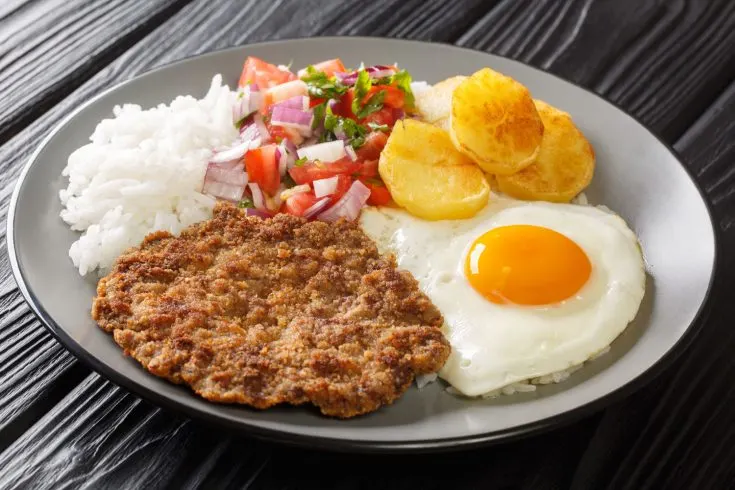
Silpancho is one of the most common lunches of the Cochabamba region, Bolivia’s cattle-raising heartland. This beloved dish consists of a large, flattened cut of beef, traditionally lamb or alpaca steak, fried on the coals.
Once fried, the meat is topped with a fried egg, and served with a fried overripe plantain split halfway, a few thick slices of potatoes, and a spoonful of Cochabamba salad.
The latter resembles Mexican pico de gallo, but is made from green bell peppers, chopped tomatoes, and yellow onions, which coincidentally are the colors of the country’s flag.
4 – Majadito (Rice with Shredded Jerky, Cassava, and Vegetables)
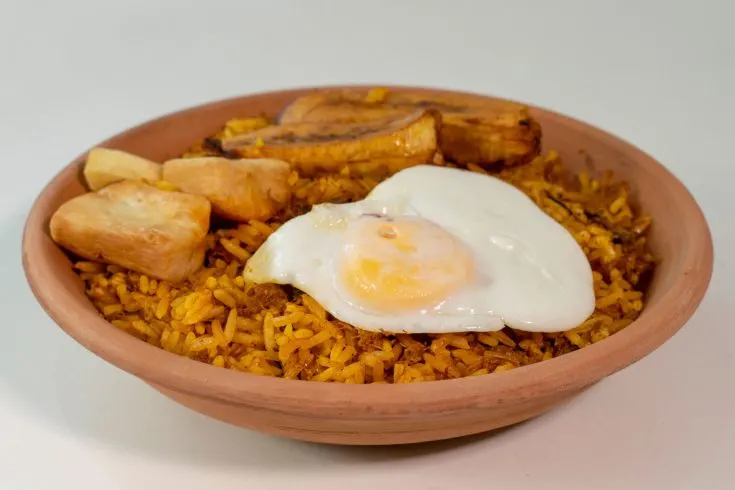
In Spanish, majar roughly means to “to mash and chop” something up. Hence majadito, typical of Santa Cruz, Bolivia’s colorful tropical side, stays true to its name.
This rice-based dish combines thinly striped alpaca jerky, boiled cassava, and an assortment of chopped vegetables. Rather than stewing the ingredients together pilaf-style, a majadito is only cooked halfway at first, and then coarsely mashed into a rough paste. Then, it returns to the fire for a few minutes.
This allows the flavors to combine and mix under the heat, while still retaining most of their unique textures. It also infuses the vegetables with the jerky’s smokey notes, making for a truly wholesome and flavorful dish.
Brazil
5 – Feijoada (Black Bean and Pork Stew)
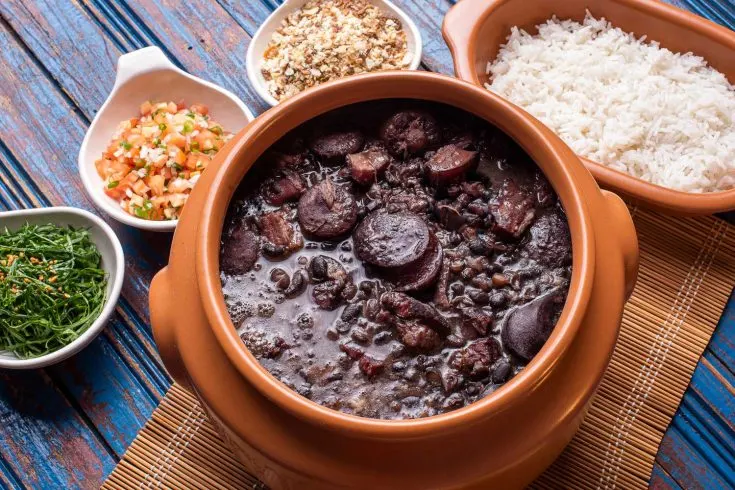
The term feijoada refers to a rich black bean stew, slowly simmered with pork, chorizo, blood sausage, smoked sausage, and the festive meal built around the dish.
When ordered as a main meal, a fully-fledged feijoada comes with a side bowl of garlic-infused rice, peeled orange slices, vinaigrette, and even cassava crisps.
Feijoada is not really suited for weekday lunches and is instead the standard menu for long Sunday lunches in Brazil, when friends and family get together to watch football and graze for hours on end.
6 – Vatapá (Shrimp and Ground Peanut Stew)
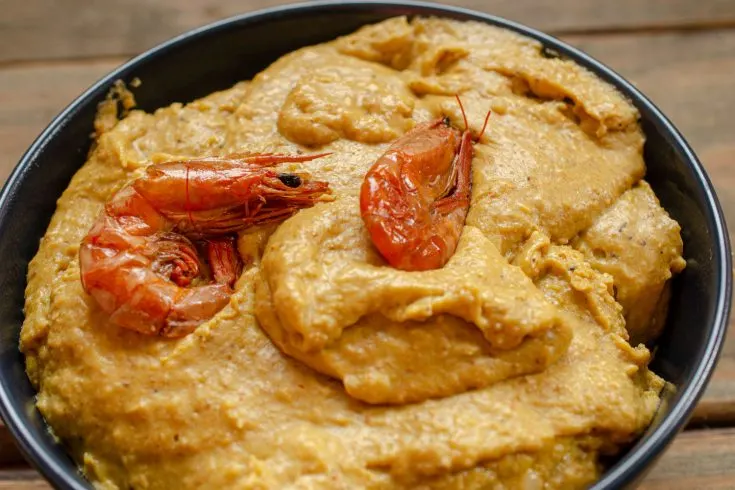
Midway between a West African peanut stew and a Portuguese Açorda, vatapá defies the traditional expectation of shrimp as a light, summery food. This energizing dish is typical of the Salvador de Bahia region, located on the north-eastern coast of Brazil.
Midway between a West African peanut stew and a Portuguese Açorda, vatapá defies the traditional expectation of shrimp as a light, summery food. This energizing dish is typical of the Salvador de Bahia region, located on the north-eastern coast of Brazil.
Vatapá is made by slow cooking ground peanuts, coconut milk, day-old bread, and oil. Freshly-peeled shrimps are usually only added in the last 5 minutes, which helps them remain firm, while still enhancing the food with extra flavor. Due to its lengthy preparation, vatapá is usually reserved for holidays and religious festivities. Read More…