3 Ways to Begin Developing Preschoolers’ Literacy Skills
-
 Loading...
 - Katrien Vliet
- 20 Feb 2025
- 46 Views
- 0 Like
- 0 Comment
Fostering literacy skills in preschoolers is essential for their overall development and future academic success. Here are three effective strategies to help young children develop their literacy skills in a fun and engaging way.
1. Read Aloud Daily
Reading aloud to preschoolers is one of the most impactful ways to develop their literacy skills. Choose a variety of engaging picture books, rhyming stories, and interactive texts that capture their interest. As you read, encourage interaction by asking questions about the story and inviting children to share their thoughts. This not only enhances their comprehension skills but also fosters critical thinking. Making reading a daily routine helps instill a love for books and reading in young children.
2. Incorporate Play-Based Learning
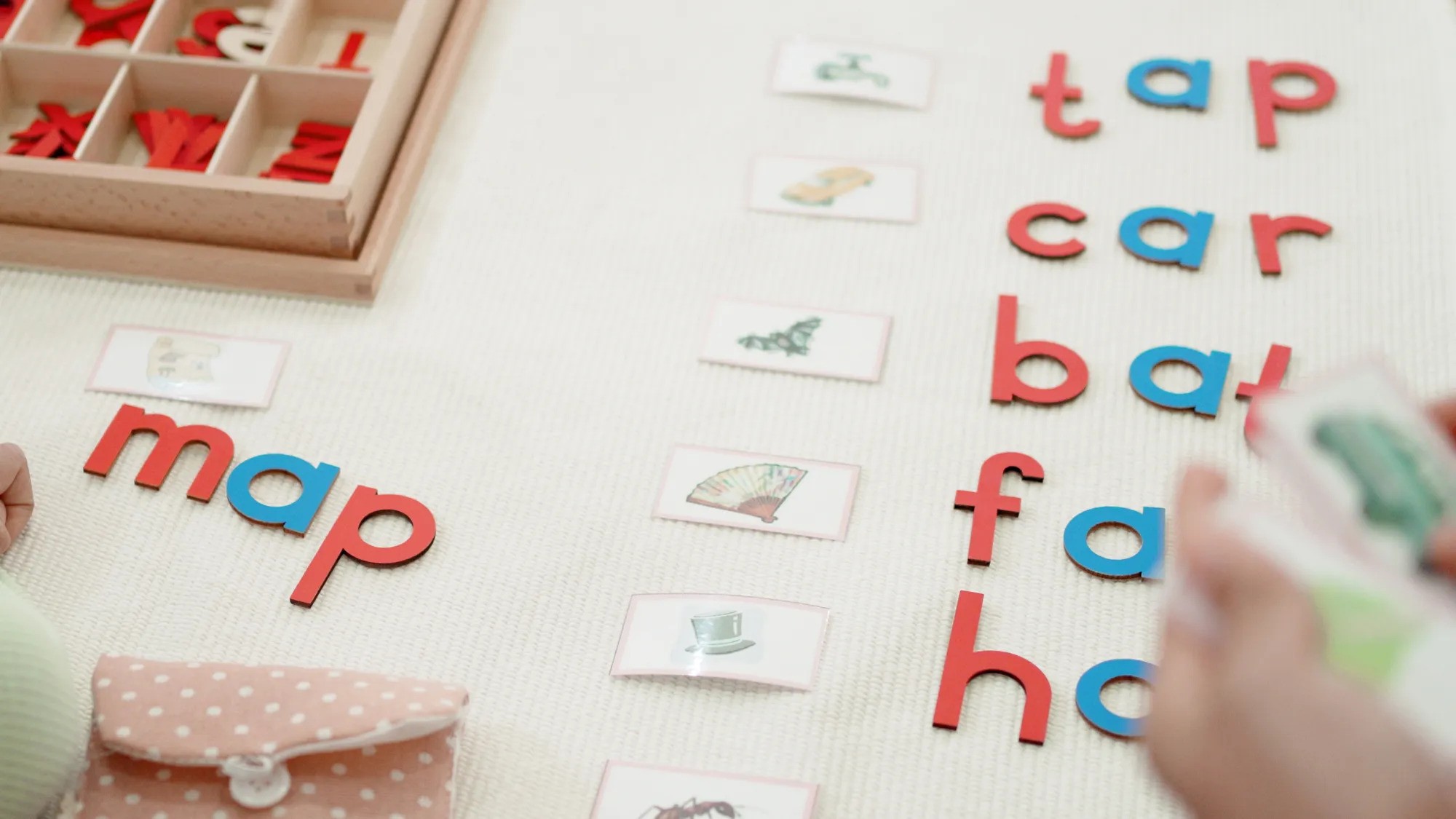
Play is a natural way for preschoolers to learn, and incorporating literacy into play can be both effective and enjoyable. Create designated areas with books, puzzles, and games that promote literacy. For example, a writing center with crayons and paper encourages children to practice writing and drawing. You can also use puppets or dolls to act out stories, which nurtures creativity and helps children understand narrative structure. Games that focus on letter recognition and sounds, like “I Spy” with letters, can make learning fun and engaging.
3. Encourage Writing and Drawing
Encouraging preschoolers to express themselves through writing and drawing is a vital part of developing literacy skills. Provide a variety of writing tools and different types of paper to inspire creativity. Label objects around the classroom or home with their names to help children make connections between written words and their meanings. Additionally, you can help children create their own storybooks by drawing pictures and dictating stories to you. This activity promotes creativity and reinforces the connection between writing and storytelling.
Developing literacy skills in preschoolers is a rewarding process that can be achieved through reading aloud, play-based learning, and encouraging writing and drawing. By incorporating these strategies into daily activities, you can create a rich literacy environment that fosters a love for reading and learning in young children.