40 Tips to Take Better Photos in 2022
-
 Loading...
 - Abel Okello
- 23 Jun 2022
- 153 Views
- 0 Like
- 0 Comment
Ironically, the number one question I now get asked as a producer is “How do I take better photos?”
So along with some tips that I’ve picked up over the years, I’ve recruited some outstanding snappers across Australia to share their own secret techniques about how they take their photos to the next level.
1. Get in Close
It was the famous photojournalist Robert Capa who once said “If your photographs aren’t good enough, you’re not close enough.” He was talking about getting in amongst the action. If you feel like your images aren’t ‘popping’, take a step or two closer to your subject. Fill the frame with your subject and see how much better your photo will look without so much wasted space. The closer you are to the subject, the better you can see their facial expressions too.
2. Shoot Every Day
“The best way to hone your skills is to practice,” says photographer Leah Robertson. “A lot. Shoot as much as you can – it doesn’t really matter what. Spend hours and hours behind your camera.
“As your technical skills improve over time, your ability to harness them to tell stories and should too. Don’t worry too much about shooting a certain way, to begin with. Experiment. Your style – your ‘voice’ – will emerge in time. And it will be more authentic when it does.”
Leah Robertson is a super talented Melbourne-based photographer and videographer, specializing in music and documentary photography.
3. See the Light
Before you raise your camera, see where the light is coming from, and use it to your advantage. Whether it is natural light coming from the sun, or an artificial source like a lamp; how can you use it to make your photos better? How is the light interacting with the scene and the subject? Is it highlighting an area or casting interesting shadows? These are all things you can utilize to make an ordinary photo extraordinary.
4. Ask Permission
“When photographing people, especially while in countries with different cultures and languages, it can be hard to communicate,” says photographer Andrea Francolini. “In certain countries, if you photograph someone you are not ‘supposed’ to photograph, it can get ugly and rough very quickly if you are not careful. So out of respect, you should always ask permission.
“I have started shooting a series of school children in Pakistan. These are all posed portraits and they are looking down the lens. My guide helps me with the language and I limit myself to smiling, shaking hands, giving ‘hi-five’, and showing them the image on the back of my camera once it is done. You would be amazed how quickly people open up.”
5. Use Flash During the Day
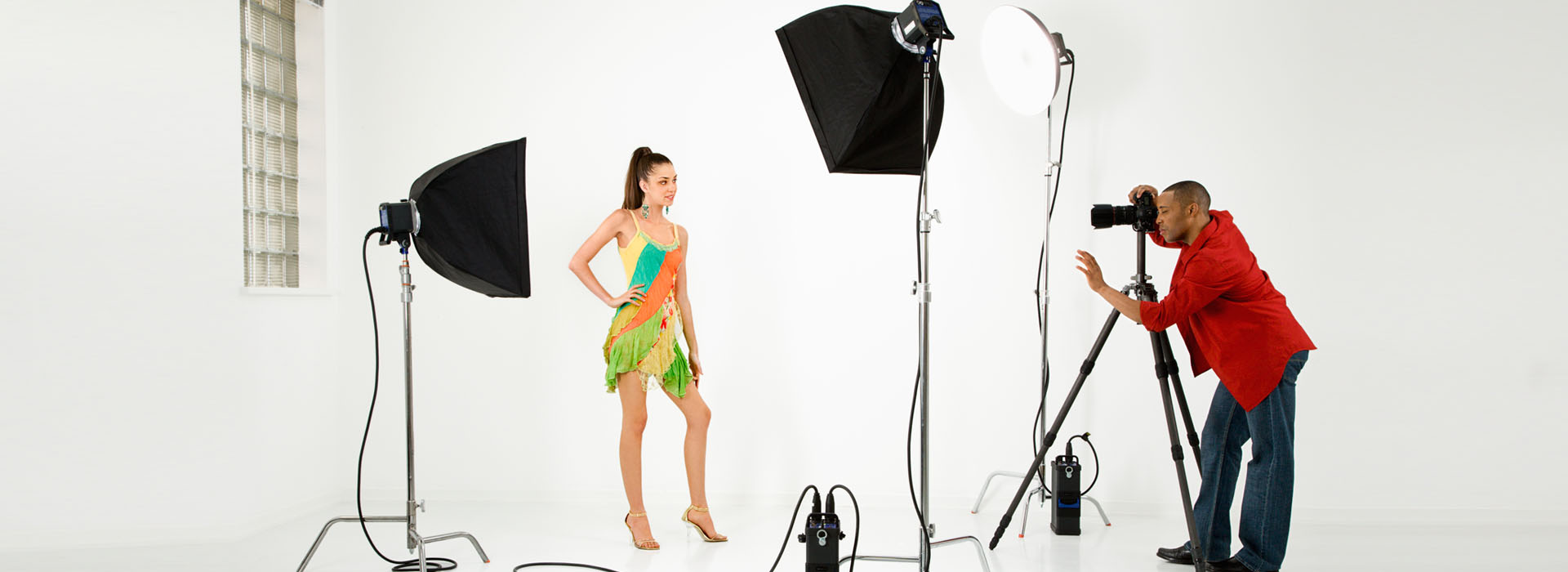
You might think that you should only use flash at night time or indoors, but that’s not the case at all. If it is an extremely bright day outside and the sun is creating harsh shadows on your subject, switch on your flash. By forcing extra light onto your subject, you will be able to fill in those ugly shadows and create an even exposure.
6. ISO
There are questions to ask yourself when deciding what ISO to use:
What time of day are you shooting? If you are shooting outside during the middle of the day you will need to use a lower ISO such as 100 or 200. If you are shooting at night time without a tripod you will have to increase the ISO to a higher number to be able to record the light on the camera’s sensor.
Will the subject be well lit? If your subject or scene is too dark you will need to use a higher ISO such as 800 or 1600.
Do you want a sharp image or an image with more movement in it? Using a high shutter speed to capture fast movement might mean that you need to use a high ISO to compensate. Likewise, if you’re using a slow shutter speed to capture blur you will need a low ISO to compensate.
Don’t forget, increasing your ISO increases the grain or pixel size in your photo. So don’t use an ISO of 3200 or 6400 if you don’t want a photo with a lot of ‘digital noise’.
7. f/4
“f/4 is my ‘go-to’ aperture,” says photographer Peter Wallis. “If you use a wide aperture with a long lens (200mm-400mm) you’re able to separate the subject from the background. This helps them stand out. Works every time.” Read More…