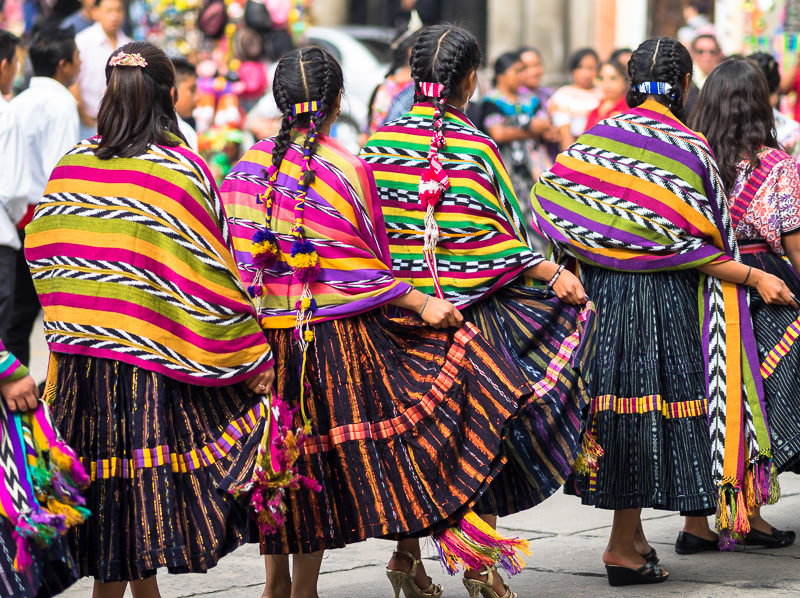
5 Indigenous Fashion Styles in Guatemala: Embracing Cultural Diversity
-
 Loading...
 - Molina Pascual
- 12 Jun 2023
- 104 Views
- 0 Like
- 0 Comment
Guatemala, a country nestled in Central America, is known for its rich cultural heritage and vibrant traditions. One aspect that truly stands out is its indigenous fashion styles. These fashion styles not only showcase the creativity and craftsmanship of the indigenous communities but also serve as a representation of their identity and cultural pride. In this article, we will explore five indigenous fashion styles in Guatemala, each with its unique characteristics and significance.
1. Huipiles: A Tapestry of History and Artistry
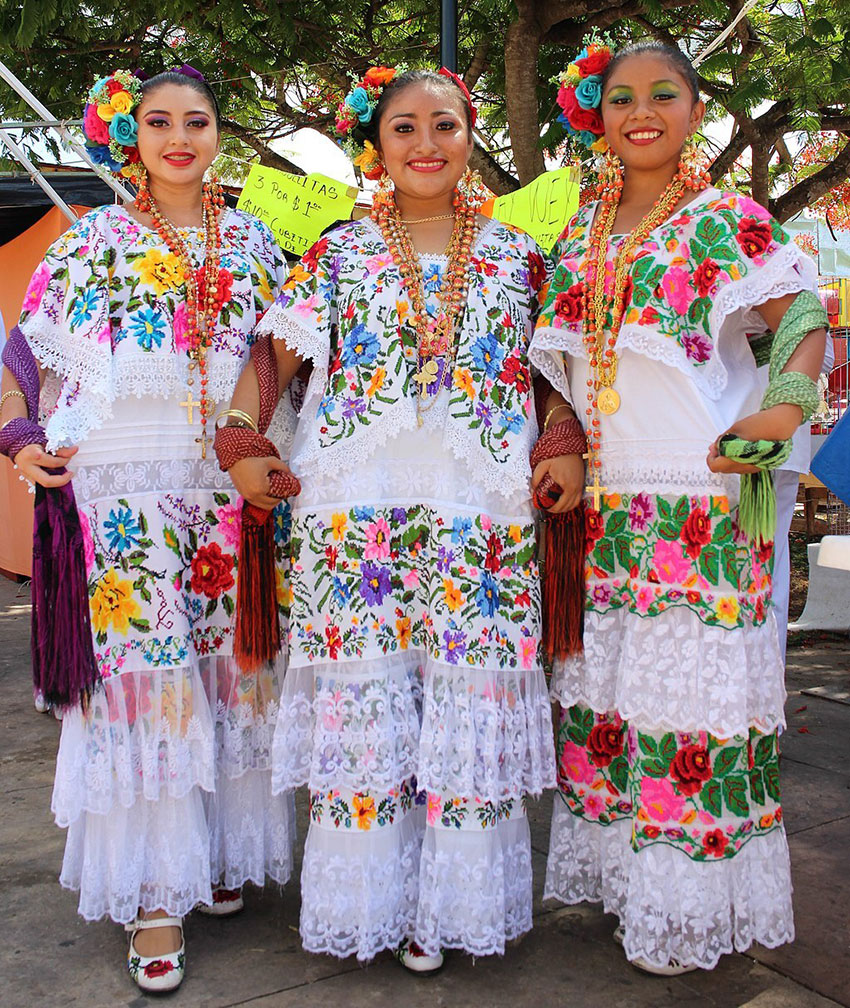
Huipiles, traditional blouses worn by Guatemalan women, are a striking display of color, intricate embroidery, and symbolism. These garments are handwoven on a backstrap loom, a technique that has been passed down through generations. The designs on huipiles vary across regions, with each community incorporating distinctive patterns and motifs that tell stories of their heritage. Whether it's the geometric shapes of the Quiche huipiles or the elaborate birds and flowers adorning the Sololá huipiles, these garments are a true testament to the artistry and cultural heritage of Guatemala.
Huipiles not only serve as a fashion statement but also play a significant role in preserving cultural identity. Each design, color combination, and stitching technique is a reflection of the wearer's community, social status, and personal history. For indigenous women in Guatemala, wearing a huipil is a way of proudly displaying their heritage and keeping their traditions alive.
In recent years, huipiles have gained global recognition, and their influence has transcended traditional boundaries. Fashion designers around the world have embraced the beauty and uniqueness of huipiles, incorporating elements of these garments into modern designs. This fusion of tradition and contemporary fashion has opened doors for Guatemalan artisans and created economic opportunities while promoting the cultural significance of huipiles to a broader audience.
2. Cortes: A Tapestry of Woven Stories

Cortes, the traditional skirts worn by Guatemalan women, are another integral part of indigenous fashion in Guatemala. These skirts are handwoven using intricate patterns and vibrant colors, showcasing the weaving skills passed down through generations. The fabric used for Cortes is typically made from locally sourced cotton, and the weaving techniques vary from region to region.
Similar to huipiles, cortes are not just pieces of clothing but also carry immense cultural significance. The patterns and colors used in the fabric often represent the weaver's community, family history, and beliefs. Each corté tells a unique story, and when worn, it becomes a living testament to the cultural diversity and artistry of Guatemala.
While Cortes has a strong connection to tradition, they have also found their way into contemporary fashion. Today, we see Cortes being incorporated into various garments, such as dresses, blouses, and accessories. This blending of ancient traditions with modern aesthetics allows the beauty of Cortes to be appreciated by people from all walks of life, creating a bridge between cultures.
3. Güipiles: A Journey Through Maya Fashion
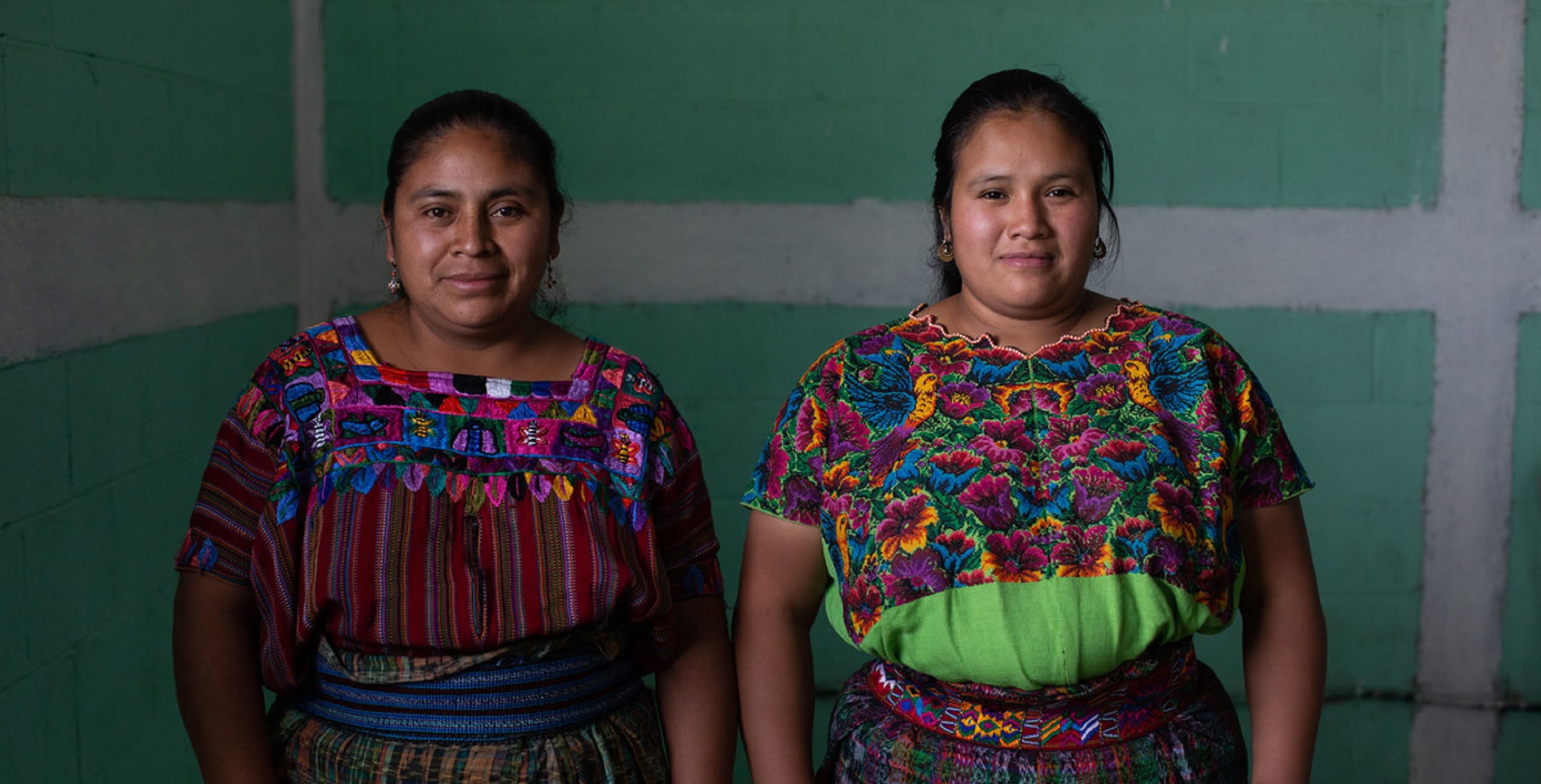
Güipiles, also known as traditional Maya blouses, is a testament to the deep-rooted cultural heritage of the indigenous Maya communities in Guatemala. These blouses are characterized by their vibrant colors, intricate embroidery, and handwoven fabric. Each Maya group has its distinct style of güipiles, making them a symbol of pride and identity.
The art of creating güipiles is a time-honored tradition that has been passed down for centuries. Maya women dedicate countless hours to handcrafting these blouses, using techniques that have been perfected over generations. By wearing güipiles, Maya women not only preserve their cultural heritage but also contribute to the sustainability of their communities.
Güipiles have captivated the attention of fashion enthusiasts worldwide, who appreciate their unique beauty and cultural significance. In recent years, designers have incorporated güipil-inspired elements into their collections, introducing the world to the intricate craftsmanship of Maya fashion. This increased visibility has created economic opportunities for Maya artisans while promoting the value of their traditions.
4. Traditional Footwear: Walking in Cultural Pride

No indigenous fashion ensemble is complete without traditional Guatemalan footwear. From handmade leather sandals to intricately embroidered shoes, the footwear of Guatemala is as diverse as its cultural heritage. These shoes are not only functional but also showcase the skill and creativity of the artisans who craft them.
Crafting traditional Guatemalan footwear is a meticulous process that involves skilled craftsmanship and attention to detail. Artisans carefully select materials, often using locally sourced leather, and embellish the shoes with colorful threads or intricate embroidery. The result is a pair of shoes that seamlessly combines comfort, style, and cultural heritage.
While traditional footwear remains an essential part of indigenous fashion, modern adaptations have emerged to meet contemporary demands. Guatemalan designers have skillfully blended traditional designs with modern aesthetics, creating unique footwear that appeals to a wider audience. These modern interpretations allow the beauty of traditional Guatemalan footwear to shine in the global fashion scene.
5. Accessories: Embellishments of Culture
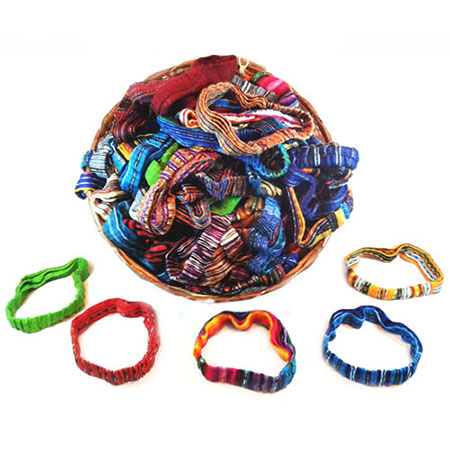
Accessories play a vital role in indigenous fashion, adding a touch of elegance and cultural significance to the overall attire. From intricately beaded jewelry to embroidered belts and vibrant headpieces, Guatemalan accessories are a celebration of craftsmanship and artistic expression.
Skilled artisans dedicate their time and talent to creating these beautiful accessories. They employ various techniques, such as beadwork, embroidery, and weaving, to bring their designs to life. Each accessory tells a story, whether it's the vibrant colors representing a specific community or the symbolic patterns reflecting ancient traditions.
The allure of Guatemalan accessories has not gone unnoticed by the fashion industry. Designers worldwide are incorporating these unique pieces into their collections, bridging the gap between tradition and contemporary fashion. By wearing Guatemalan accessories, individuals not only add a touch of cultural diversity to their attire but also support the artisans and communities behind these creations.
Frequently Asked Questions (FAQs)
1. Are these indigenous fashion styles limited to Guatemala?
No, these indigenous fashion styles have their roots in Guatemala but have gained recognition and appreciation worldwide.
2. Can I purchase authentic indigenous fashion items from Guatemala online?
Yes, some various online platforms and websites offer authentic indigenous fashion items from Guatemala. Make sure to research and support reliable sellers who collaborate directly with indigenous artisans.