5 Kayaking Places in Vietnam for a Thrilling Adventure

Discover the top 5 kayaking places in Vietnam for a thrilling adventure. From the stunning Halong Bay to the tranquil Tam Coc, Vietnam offers breathtaking landscapes and exhilarating experiences for kayakers of all levels.
Vietnam is a country known for its natural beauty, rich culture, and vibrant cities. But beyond the bustling streets and ancient temples lies a hidden gem for adventure enthusiasts: kayaking. With its extensive coastline, winding rivers, and picturesque lakes, Vietnam offers an array of kayaking opportunities that will leave you breathless. In this article, we will explore the top 5 kayaking places in Vietnam, each offering a unique and thrilling adventure. Whether you're a seasoned kayaker or a beginner looking to try something new, these destinations are guaranteed to provide an unforgettable experience.
1. Halong Bay: Majestic Limestone Karsts and Crystal-clear Waters
Experience the Magic of Halong Bay
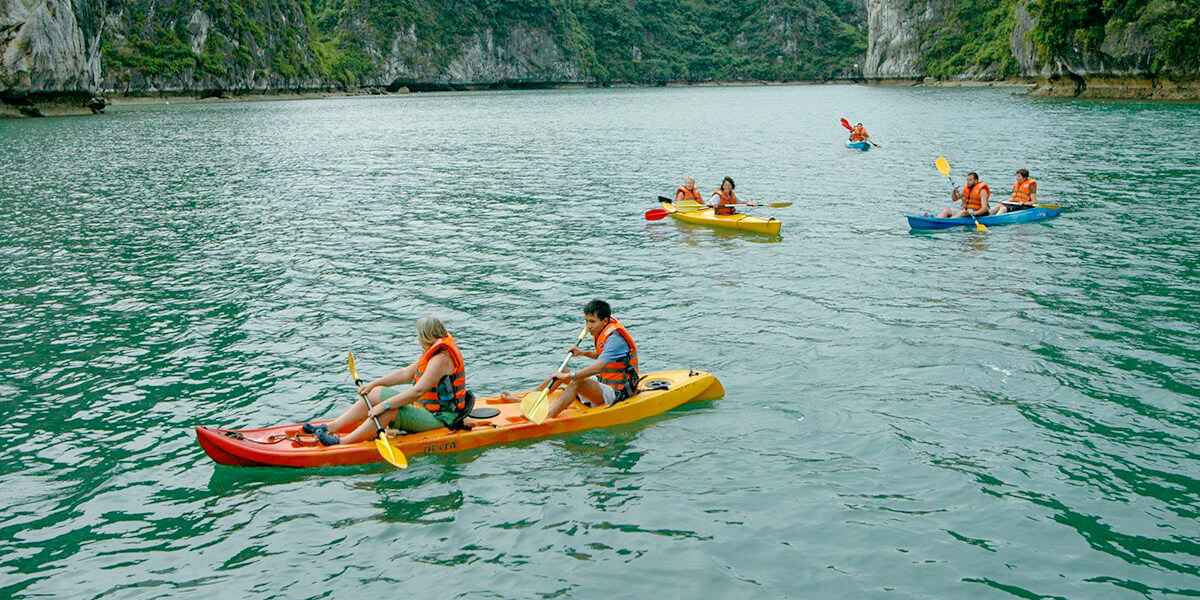
Halong Bay, a UNESCO World Heritage Site, is undoubtedly one of the most breathtaking kayaking destinations in Vietnam. Its emerald waters are peppered with thousands of limestone karsts, creating a surreal landscape that seems straight out of a fairytale. As you paddle through the bay, you'll be surrounded by towering cliffs, hidden caves, and secluded lagoons.
How to Get There and Where to Stay
To reach Halong Bay, you can take a bus or hire a private car from Hanoi, which is approximately 170 kilometers away. Once you arrive, there are numerous options for overnight cruises that include kayaking excursions. These cruises range from budget-friendly to luxury, allowing you to choose the option that suits your preferences and budget.
Best Time to Visit
The best time to visit Halong Bay for kayaking is during the spring (March to May) and autumn (September to November) when the weather is mild and the waters are calm. However, do keep in mind that Halong Bay is a popular tourist destination, so it can get crowded during peak season.
Pro Tip:
Pack sunscreen, a hat, and a waterproof camera to capture the stunning scenery of Halong Bay.
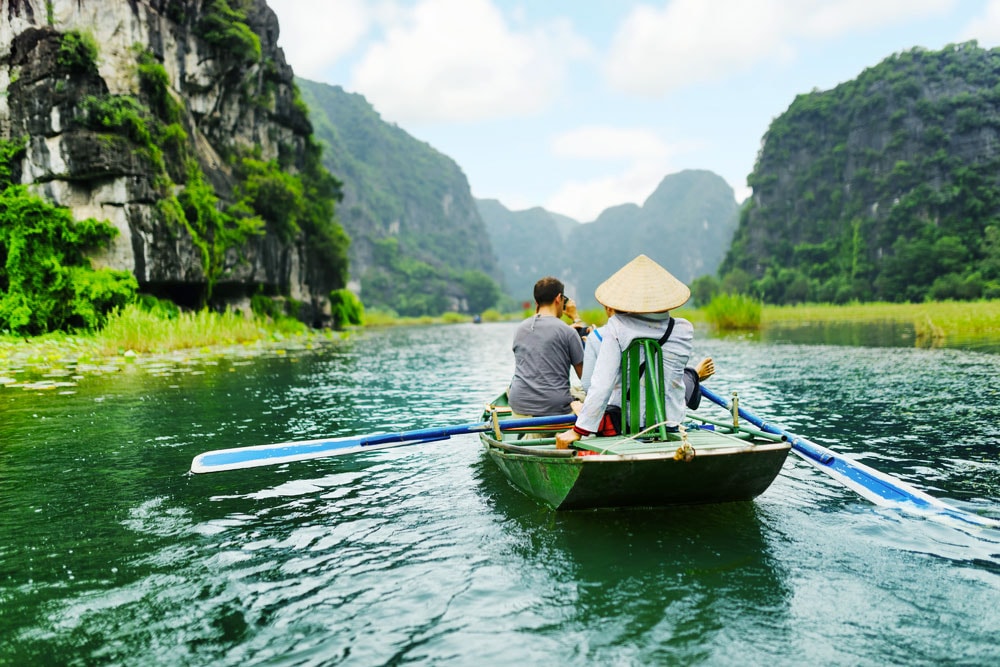
2. Tam Coc: Navigating through the "Halong Bay on Land"
Experience the Tranquil Beauty of Tam Coc
Often referred to as the "Halong Bay on Land," Tam Coc is a captivating destination located in Ninh Binh province. This picturesque area is famous for its limestone karsts and lush green rice paddies. Kayaking through Tam Coc allows you to immerse yourself in the serene beauty of the countryside and explore hidden caves and grottoes.
How to Get There and Where to Stay
Tam Coc is approximately 100 kilometers south of Hanoi, and you can easily reach it by bus or train. There are several accommodations available in Tam Coc, ranging from budget guesthouses to luxury resorts. Staying overnight will give you the opportunity to enjoy the tranquility of the area and take part in a sunrise or sunset kayaking tour.
Best Time to Visit
The best time to visit Tam Coc is from April to June and September to October when the weather is pleasant and the rice fields are in their most vibrant green color. Avoid visiting during the rainy season (July to August) as heavy downpours can disrupt kayaking activities.
Pro Tip:
Bring a waterproof bag to protect your belongings from splashes and ensure you have a comfortable seat cushion for long kayaking trips.

3. Cat Ba Island: Exploring the Untamed Beauty of Lan Ha Bay
Experience the Untouched Paradise of Cat Ba Island
Cat Ba Island, located in the Gulf of Tonkin, is a haven for nature lovers and kayaking enthusiasts. While Halong Bay draws the most attention, nearby Lan Ha Bay offers equally stunning scenery with fewer crowds. Kayaking in Lan Ha Bay allows you to discover secluded beaches, hidden caves, and pristine waters teeming with marine life.
How to Get There and Where to Stay
To reach Cat Ba Island, you can take a ferry or speedboat from Hai Phong City or book a tour from Hanoi that includes transportation. Cat Ba Town, the main hub of the island, offers a wide range of accommodations, from budget-friendly hostels to luxury resorts. Choose a hotel near the waterfront for easy access to kayaking tours.
Best Time to Visit
The best time to visit Cat Ba Island for kayaking is from October to April when the weather is dry and cool. During this period, the waters are calm, making it ideal for exploring the hidden gems of Lan Ha Bay.
Pro Tip:
Wear a life jacket at all times while kayaking to ensure your safety, especially if you're not a confident swimmer.
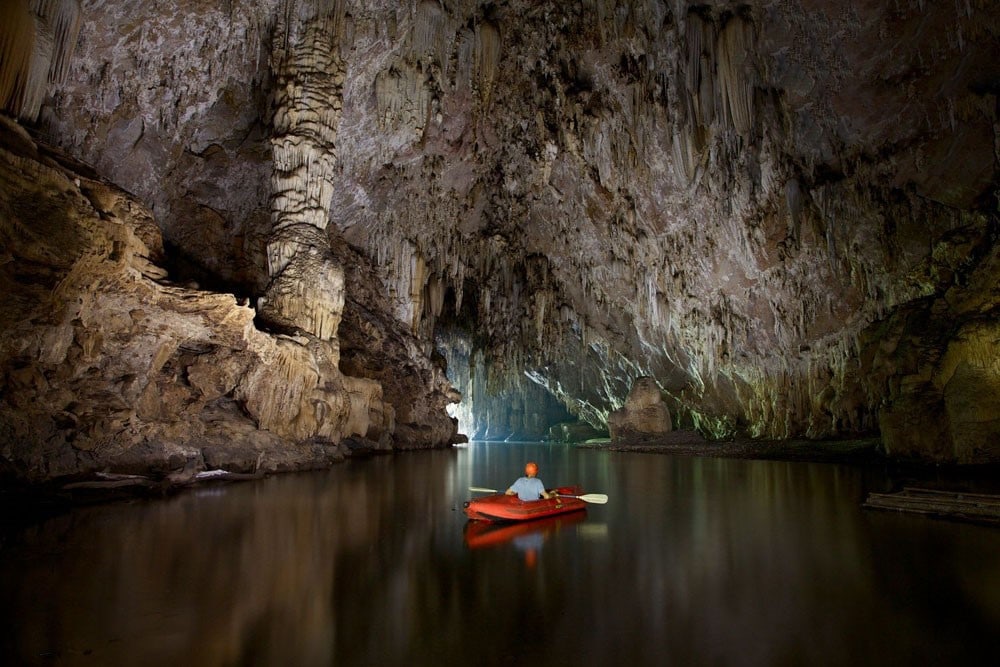
4. Phong Nha-Ke Bang National Park: Discovering the Mysteries of Underground Rivers
Experience the Thrills of Underground Kayaking
Phong Nha-Ke Bang National Park, a UNESCO World Heritage Site, is renowned for its extraordinary cave systems and underground rivers. Kayaking through the caves of Phong Nha allows you to witness stunning rock formations, glistening stalactites, and crystal-clear waters. It's an otherworldly adventure that will leave you in awe.
How to Get There and Where to Stay
Phong Nha-Ke Bang National Park is located in Quang Binh province and can be reached by bus or train from Hanoi or other major cities in Vietnam. There are various accommodation options near the park, ranging from guesthouses to eco-lodges. Staying in the park's vicinity will give you easy access to the kayaking tours.
Best Time to Visit
The best time to visit Phong Nha-Ke Bang National Park is from February to August when the weather is dry and the water levels are suitable for kayaking. The park's caves are open to visitors year-round, but certain caves may have restricted access during the rainy season.
Pro Tip:
Bring a headlamp or a flashlight to navigate through the dark caves and fully experience the mesmerizing rock formations.
5. Ba Be Lake: Immersing Yourself in Nature's Splendor
Experience the Serenity of Ba Be Lake
Tucked away in the mountains of Bac Kan province, Ba Be Lake is a hidden gem that offers a peaceful kayaking experience surrounded by lush forests and majestic limestone mountains. As you paddle across the tranquil waters of Ba Be Lake, you'll encounter cascading waterfalls, floating villages, and a diverse ecosystem of flora and fauna.
How to Get There and Where to Stay
Ba Be Lake is approximately 240 kilometers north of Hanoi, and you can reach it by bus or hire a private car. There are several homestays and guesthouses near the lake, allowing you to immerse yourself in the local culture and enjoy the warm hospitality of the Tay ethnic minority.
Best Time to Visit
The best time to visit Ba Be Lake is from March to May and September to November when the weather is pleasant and the landscapes are vibrant. Avoid visiting during the winter months (December to February) when the temperatures can drop significantly.
Pro Tip:
Respect the local communities and follow their customs and traditions while visiting the villages around Ba Be Lake.
FAQs
1. Are these kayaking places suitable for beginners?
Yes, these kayaking places offer options for kayakers of all levels, including beginners. The tours are usually led by experienced guides who will provide instructions and ensure your safety throughout the journey. However, it's essential to communicate your skill level to the tour operator beforehand to ensure you're assigned to an appropriate group.
2. Do I need to bring my own kayak and equipment?
No, you don't need to bring your own kayak and equipment. The kayaking tours usually provide all the necessary gear, including kayaks, paddles, life jackets, and safety equipment. However, if you prefer to use your own equipment, you can discuss it with the tour operator in advance.
3. What should I wear while kayaking?
It's recommended to wear lightweight and quick-drying clothing while kayaking. Opt for comfortable and breathable fabrics that allow freedom of movement. Additionally, wear a hat, sunglasses, and apply sunscreen to protect yourself from the sun's rays. Don't forget to bring a change of clothes in case you get wet during the kayaking trip.
4. Can I go kayaking during the rainy season?
While it's possible to go kayaking during the rainy season in some places, it's generally not recommended due to safety concerns. Heavy rainfall can lead to high water levels, strong currents, and reduced visibility, making it risky for kayaking. It's advisable to check the weather forecast and consult with local tour operators for the most up-to-date information before planning your kayaking adventure.
5. Is kayaking environmentally friendly?
Kayaking is considered a low-impact and environmentally friendly activity. It allows you to explore nature while minimizing your ecological footprint. However, it's crucial to follow the principles of Leave No Trace and respect the natural environment. Avoid littering, refrain from disturbing wildlife, and adhere to any regulations set by the local authorities to preserve the beauty of these kayaking destinations for future generations.
In conclusion, Vietnam's diverse landscape offers a myriad of kayaking experiences that cater to adventure seekers and nature enthusiasts alike. Whether you choose to paddle through the iconic limestone karsts of Halong Bay, explore the hidden caves of Phong Nha, or immerse yourself in the tranquility of Ba Be Lake, each destination promises a thrilling adventure and a deeper connection with nature. So grab a paddle, embark on a kayaking journey, and create memories that will last a lifetime in these remarkable kayaking places in Vietnam.