5 Tips to Grow Your Afro Natural Hair
-
 Loading...
 - Tunde Bakare
- 30 May 2023
- 90 Views
- 1 Like
- 0 Comment
Are you looking for effective tips to grow your Afro natural hair? Look no further! In this article, we'll explore five essential tips that will help you achieve long, healthy, and beautiful natural hair. From proper hair care routines to nourishing treatments, we've got you covered. Read on to discover the secrets to maintaining and growing your natural hair.
Having Afro natural hair is a beautiful and unique feature that deserves proper care and attention. Whether you're just starting your natural hair journey or looking for ways to enhance its growth, these five tips will provide you with the guidance you need. By following these tips consistently, you can enjoy long, healthy, and voluminous Afro natural hair that turns heads wherever you go.

1. Moisturize Regularly
One of the key factors in growing healthy natural hair is maintaining proper moisture levels. Due to its tightly coiled structure, Afro hair tends to be drier and more prone to breakage. To combat this, it's crucial to moisturize your hair regularly. Here are a few effective moisturizing techniques:
- Deep Conditioning: Use a high-quality deep conditioner at least once a week to restore moisture and nourish your hair from within. Look for products containing natural ingredients such as shea butter, coconut oil, or aloe vera.
- Leave-In Conditioner: Apply a leave-in conditioner after washing your hair to seal in moisture and provide ongoing hydration throughout the day. Focus on the ends, as they tend to be the driest part of your hair.
- Water Spritzing: Keep a spray bottle filled with water handy and mist your hair daily to replenish moisture. You can add a few drops of your favorite natural oil to enhance hydration.
2. Follow a Gentle Hair Care Routine
Proper hair care routines are essential for promoting hair growth and maintaining healthy Afro natural hair. Here are some tips to incorporate into your daily regimen:
- Use a Wide-Tooth Comb: When detangling your hair, opt for a wide-tooth comb instead of a brush to minimize breakage and preserve your hair's natural texture.
- Avoid Heat Styling: Excessive heat can cause damage and dryness. Embrace protective hairstyles and limit the use of heat styling tools like flat irons and curling wands.
- Protect Your Hair at Night: Sleep on a satin or silk pillowcase to minimize friction and prevent breakage. Alternatively, you can wrap your hair in a satin bonnet or use a silk scarf to maintain moisture and preserve your hairstyle.
3. Nourish Your Hair from Within
Healthy hair growth starts from the inside out. Providing your body with the right nutrients and vitamins will positively impact your Afro natural hair's health and growth. Incorporate the following into your diet:
- Protein: Include protein-rich foods like lean meats, beans, nuts, and seeds in your meals. Protein is the building block of hair, promoting strength and growth.
- Omega-3 Fatty Acids: Consume foods rich in omega-3 fatty acids such as salmon, avocados, and walnuts. These healthy fats contribute to scalp health and encourage hair growth.
- Vitamins: Ensure you're getting an adequate amount of vitamins A, C, and E, as well as biotin and zinc. These vitamins play a vital role in maintaining healthy hair.

4. Protective Styling
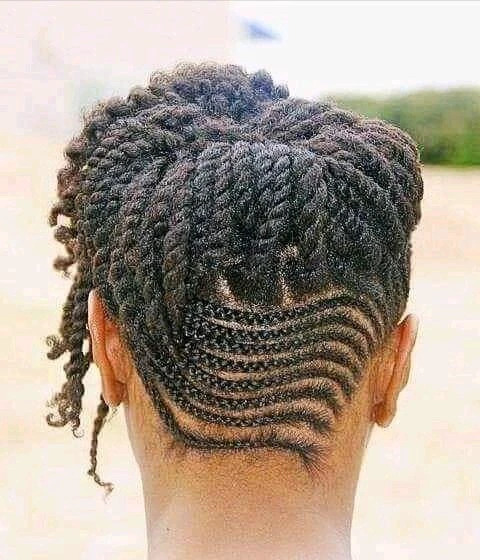
Protective styling helps minimize damage and promotes hair growth by reducing manipulation and exposure to harsh elements. Consider the following protective styles:
- Braids: Box braids, cornrows, and twists are excellent options for protective styling. Ensure they're not too tight, as this can cause tension and lead to breakage.
- Wigs and Weaves: Wearing wigs or weaves can give your hair a break from daily styling while still allowing you to experiment with different looks. Remember to care for your natural hair underneath.
- Buns and Updos: Opt for low-manipulation hairstyles like buns and updos that keep your ends tucked away and protected.
5. Regular Trimming
Although it may seem counterintuitive, regular trimming is essential for promoting hair growth. Trimming removes split ends and prevents them from traveling up the hair shaft, causing further damage. Aim to trim your hair every 8-12 weeks to maintain healthy ends and encourage growth.
Frequently Asked Questions (FAQs)
Q1: Can I use any conditioner for my Afro natural hair?
A1: It's best to use conditioners specifically formulated for Afro natural hair. Look for products that are moisturizing, free from sulfates and parabens, and contain natural ingredients.
Q2: How often should I wash my natural hair?
A2: The frequency of washing Afro natural hair can vary depending on your hair's needs and lifestyle. Generally, washing once a week or every other week is sufficient to maintain cleanliness without stripping away too much moisture.
Q3: Can I use heat on my Afro natural hair occasionally?
A3: While it's best to limit heat usage, occasional use with proper heat protection is acceptable. Make sure to use a heat protectant spray and keep the temperature moderate to minimize damage.
Q4: How can I prevent shrinkage in my natural hair?
A4: Embrace your hair's natural texture and shrinkage, as it is a sign of healthy hair. However, you can stretch your hair by using techniques like banding or twist-outs for temporary elongation.
Q5: Are there specific hairstyles I should avoid to prevent breakage?
A5: Yes, some hairstyles, such as tight ponytails, high buns, or extensions that are too heavy, can cause breakage and put excessive tension on your hair. Opt for low-manipulation styles that distribute the weight evenly.
Growing and maintaining your natural hair requires consistency, patience, and proper care. By following the five tips outlined in this article, you'll be well on your way to achieving long, healthy, and beautiful hair. Remember to moisturize regularly, follow a gentle hair care routine, nourish your hair from within, opt for protective styling, and schedule regular trims. Embrace your natural hair journey and celebrate the beauty of your natural hair!