5 Traditional Wears of Angola
-
 Loading...
 - Kwame Nyame
- 30 Dec 2024
- 35 Views
- 0 Like
- 0 Comment
Angola boasts a rich cultural heritage, reflected in its traditional clothing. Each region and ethnic group has its unique styles, often characterized by vibrant colors, intricate patterns, and symbolic meanings. Here are five traditional wears from Angola:
1. Sambo (or Semba)
The Sambo is a traditional outfit worn by men, particularly during cultural ceremonies and celebrations. It typically consists of a long shirt made from colorful fabric, often paired with trousers. The shirt may feature intricate embroidery or patterns that represent the wearer’s cultural background. The Sambo is often worn with a cap or hat, adding to its distinctive look.
2. Capulana
The Capulana is a versatile piece of clothing worn primarily by women. It is a large piece of fabric, usually brightly colored and patterned, that can be wrapped around the body in various ways. Women often use it as a skirt, dress, or shawl. The Capulana is not only a fashion statement but also serves practical purposes, such as carrying items or wrapping babies.
3. Kikolo
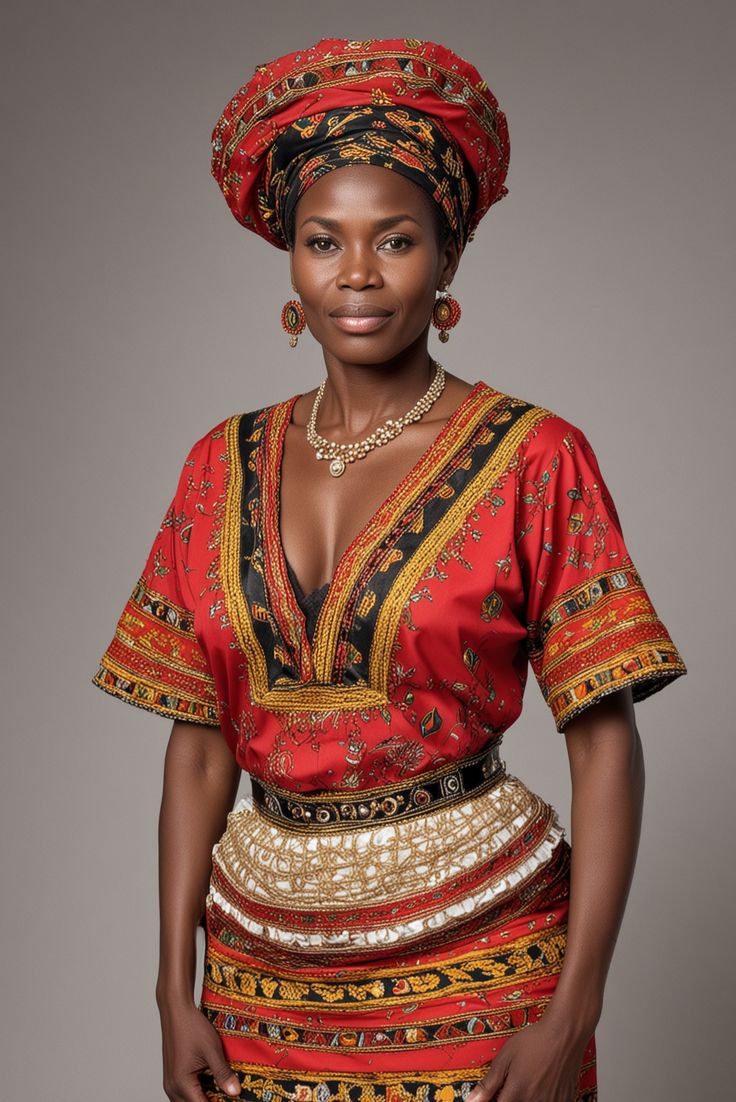
The Kikolo is a traditional garment worn by women, particularly in the Kwanza Sul and Luanda provinces. It consists of a long, flowing dress made from colorful fabric, often adorned with intricate designs. The Kikolo is typically worn during special occasions, such as weddings and cultural festivals, and is often paired with matching accessories, such as headscarves and jewelry.
4. Banga
The Banga is a traditional outfit worn by men, especially during formal events and cultural celebrations. It consists of a long tunic, often made from richly colored fabric, paired with trousers. The Banga may feature decorative elements, such as embroidery or beading, and is often worn with a belt. This outfit symbolizes pride and cultural identity.
5. Manto
The Manto is a traditional cloak worn by both men and women, particularly in rural areas. It is made from woven fabric and is often brightly colored. The Manto serves as a protective garment against the elements and is also a symbol of cultural heritage. It can be worn over other clothing and is often used during ceremonies and community gatherings.
These traditional wears not only showcase the beauty and diversity of Angolan culture but also play a significant role in the country’s social and cultural identity. Each garment carries its own history and significance, reflecting the rich tapestry of Angola's heritage.