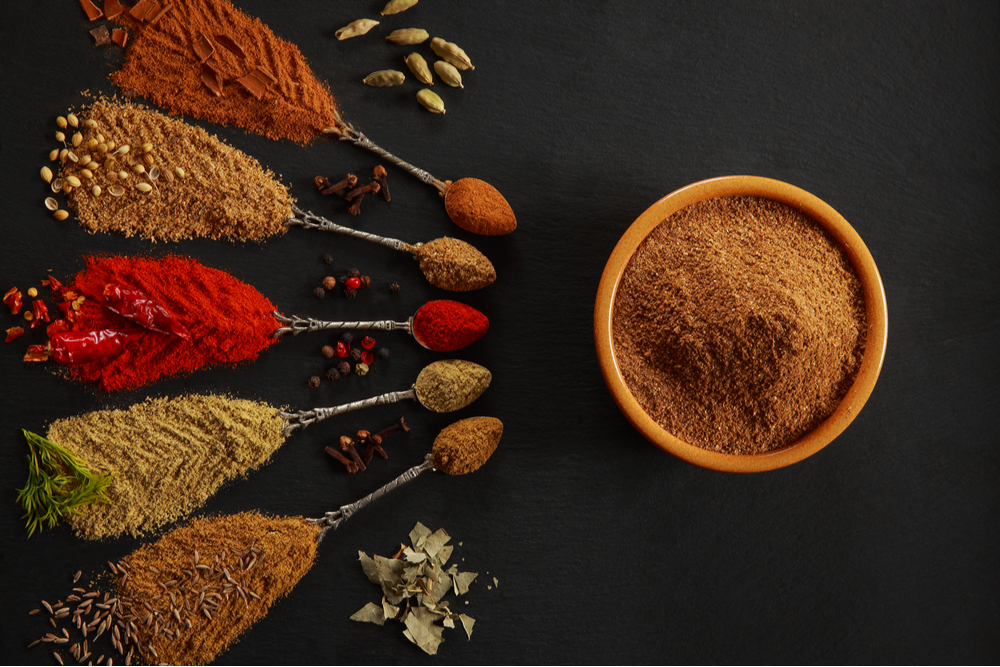
5 Unique Pakistani Food Spices: Exploring the Flavors of Pakistan
-
 Loading...
 - Naina Dalal
- 14 Jun 2023
- 154 Views
- 0 Like
- 0 Comment
When it comes to Pakistani cuisine, spices play an integral role in creating the distinct flavors that are loved and cherished by food enthusiasts around the world. The rich and aromatic spices used in Pakistani cooking bring depth, complexity, and a burst of flavors to every dish. In this article, we will delve into the world of Pakistani food spices, specifically focusing on 5 unique spices that define the essence of Pakistani cuisine. Join us on this culinary journey as we explore the history, benefits, and usage of these remarkable spices.
5 Unique Pakistani Food Spices

1. Cumin (Zeera)
Cumin, known as "Zeera" in Urdu, is one of the most widely used spices in Pakistani cooking. It adds a warm and earthy flavor to dishes and is often used in spice blends, such as garam masala. Cumin seeds are roasted and ground to release their full aroma and flavor. They are used in curries, lentil dishes, rice preparations, and even in refreshing beverages like "jal jeera." Cumin not only enhances the taste of food but also offers several health benefits, including aiding digestion and boosting the immune system.

2. Turmeric (Haldi)
Turmeric, or "Haldi" in Urdu, is a vibrant yellow spice that is not only used for its distinctive flavor but also for its numerous health properties. It is a staple spice in Pakistani cuisine and is often used in curries, rice dishes, and marinades. Turmeric contains a compound called curcumin, which is known for its anti-inflammatory and antioxidant properties. It adds a warm and earthy flavor to dishes while imparting a beautiful golden color.
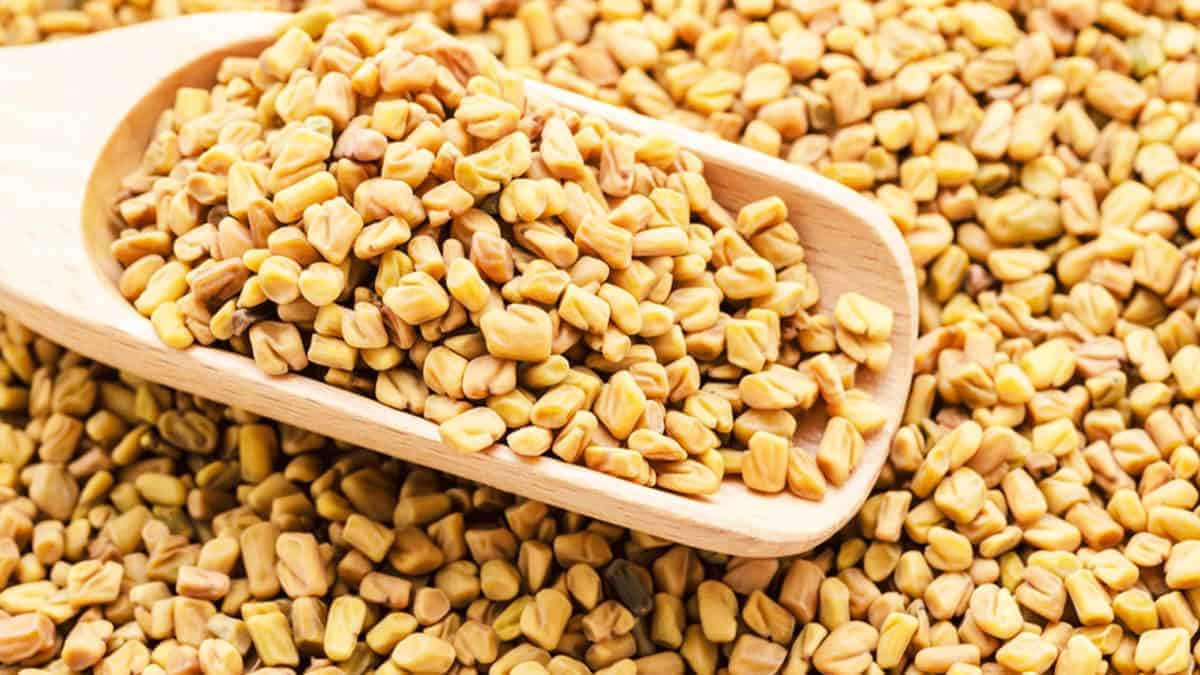
3. Fenugreek (Methi)
Fenugreek, locally known as "Methi," is a versatile spice commonly used in Pakistani cooking. Its unique flavor profile is slightly bitter with a hint of sweetness. Fenugreek seeds and leaves are used in various forms, including whole seeds, ground powder, and fresh leaves. The seeds are often toasted and ground to be used in spice blends, while the leaves are used as an herb in curries and bread. Fenugreek is believed to have medicinal properties and is known for its ability to aid digestion and regulate blood sugar levels.

4. Black Cumin (Kalonji)
Black cumin, also known as "Kalonji" or "Nigella seeds," is a lesser-known spice that adds a distinct nutty and peppery flavor to dishes. These tiny black seeds are often used as a garnish or seasoning in bread, curries, and pickles. Black cumin seeds are also used for their potential health benefits, including aiding digestion, promoting weight loss, and reducing inflammation. This unique spice adds a delightful crunch and flavor to any dish it is added to.

5. Carom Seeds (Ajwain)
Carom seeds, or "Ajwain" in Urdu, are small, oval-shaped seeds that have a strong aroma and a slightly bitter taste. They are commonly used in Pakistani cuisine to enhance the flavor of bread, lentil dishes, and snacks. Carom seeds are often toasted before using them to bring out their full flavor. Besides their culinary uses, carom seeds are known for their digestive properties and are often consumed after meals to alleviate stomach discomfort.
Frequently Asked Questions (FAQs)
Q1: Where can I buy Pakistani spices?
A1: Pakistani spices can be found in specialty grocery stores, international markets, or online stores that offer a wide range of ethnic spices. Additionally, some local Pakistani grocery stores may also carry these spices.
Q2: Can I substitute these Pakistani spices with others?
A2: While it may be challenging to replicate the exact flavor profile of Pakistani spices, you can try substituting them with similar spices commonly found in your local cuisine. However, keep in mind that the taste might differ slightly.
Q3: Are Pakistani spices too spicy?
A3: Pakistani cuisine is known for its bold and robust flavors, but not all dishes are overly spicy. The level of spiciness can vary depending on personal preferences and the specific recipe being prepared. Adjusting the amount of spice used allows you to tailor the heat level to your liking.
Q4: Can these spices be used in vegetarian or vegan dishes?
A4: Absolutely! Pakistani spices are widely used in both vegetarian and vegan dishes, adding depth and complexity to plant-based recipes. They are an excellent way to elevate the flavors of vegetable curries, lentil soups, and rice dishes.
Q5: What are some traditional Pakistani dishes that feature these spices?
A5: Some traditional Pakistani dishes that showcase these spices include Biryani (a flavorful rice dish), Aloo Gosht (potato and meat curry), Daal Chawal (lentils with rice), and Chicken Karahi (spicy chicken curry).
Conclusion
The spices we have explored in this article are just a glimpse into the diverse world of Pakistani cuisine. The unique flavors and aromas offered by these spices have made Pakistani food a favorite among food enthusiasts globally. Whether you're a seasoned cook or a culinary enthusiast, incorporating these 5 unique Pakistani food spices into your recipes will undoubtedly elevate your dishes to a whole new level. So, embrace the rich heritage of Pakistani cuisine and embark on a flavorful journey that will tantalize your taste buds.