5 Unique Russian Traditions You Didn't Know About

Russia is a vast and enigmatic country, steeped in a rich cultural heritage that has captivated the world for centuries. Beyond the iconic onion-domed churches and the legendary literature, Russia boasts a treasure trove of fascinating traditions that offer a window into the soul of this enigmatic nation.
In this article, we'll delve into 5 unique Russian traditions that will transport you to the heart of Russian culture and leave you with a deeper appreciation for the country's enduring customs and rituals.
1. The Art of Matryoshka Dolls
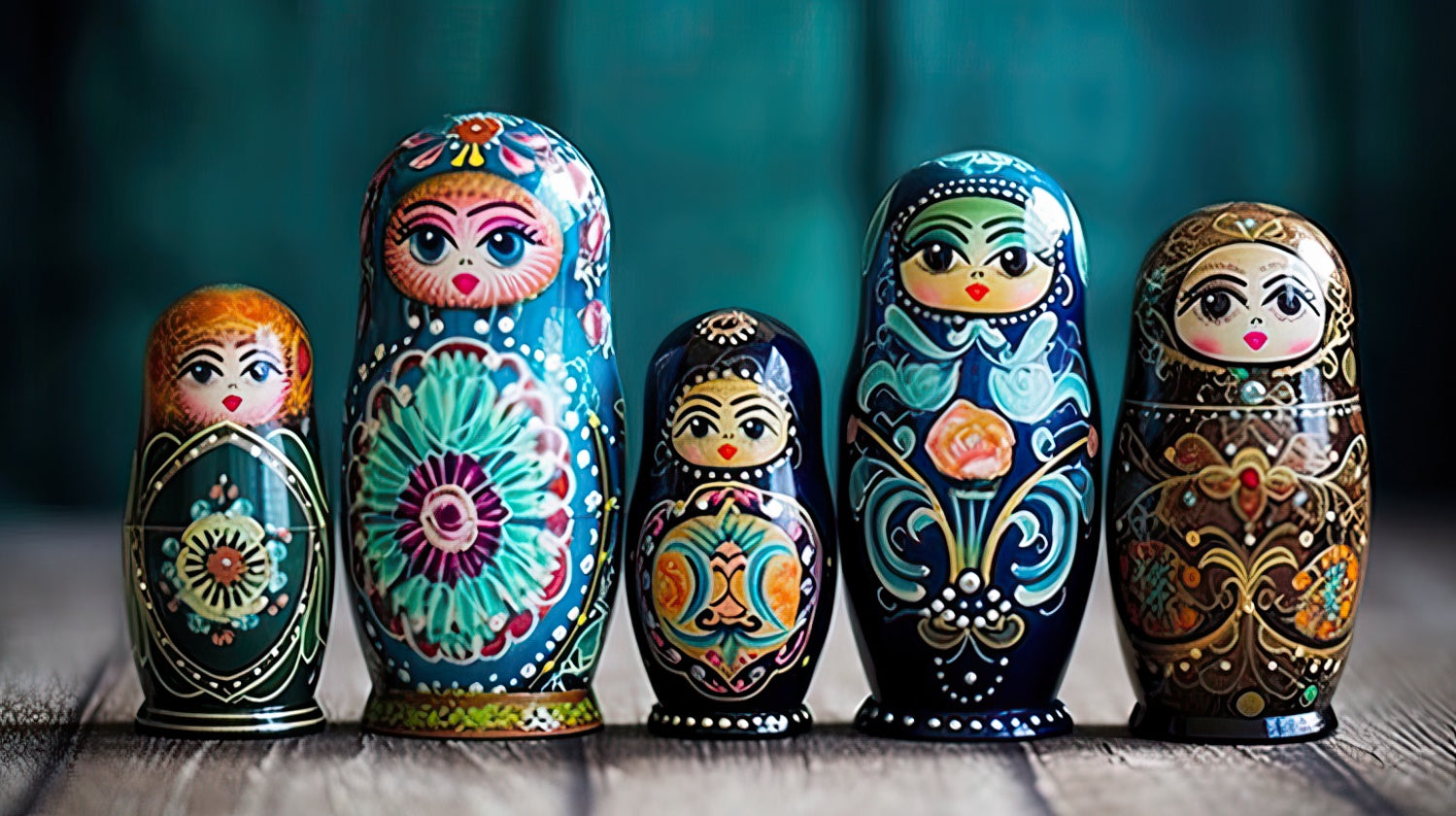
Undoubtedly one of Russia's most iconic symbols, the humble matryoshka doll has become synonymous with the country's artistry and craftsmanship. These nested wooden dolls, also known as Russian nesting dolls, are a true testament to the country's meticulous attention to detail and the ingenuity of its people.
The tradition of creating matryoshka dolls dates back to the late 19th century, when the first set was crafted by a local woodcarver in the town of Sergiev Posad. Since then, the art form has evolved, with each region of Russia developing its own distinct style and design.
From the intricate floral patterns of the Khokhloma style to the bold, vibrant colors of the Dymkovo tradition, each matryoshka doll is a unique work of art, carefully hand-painted and lacquered to perfection. These dolls are not merely decorative items; they hold a deeper significance, representing the cycle of life and the interconnectedness of generations.
2. The Ritual of the Russian Banya
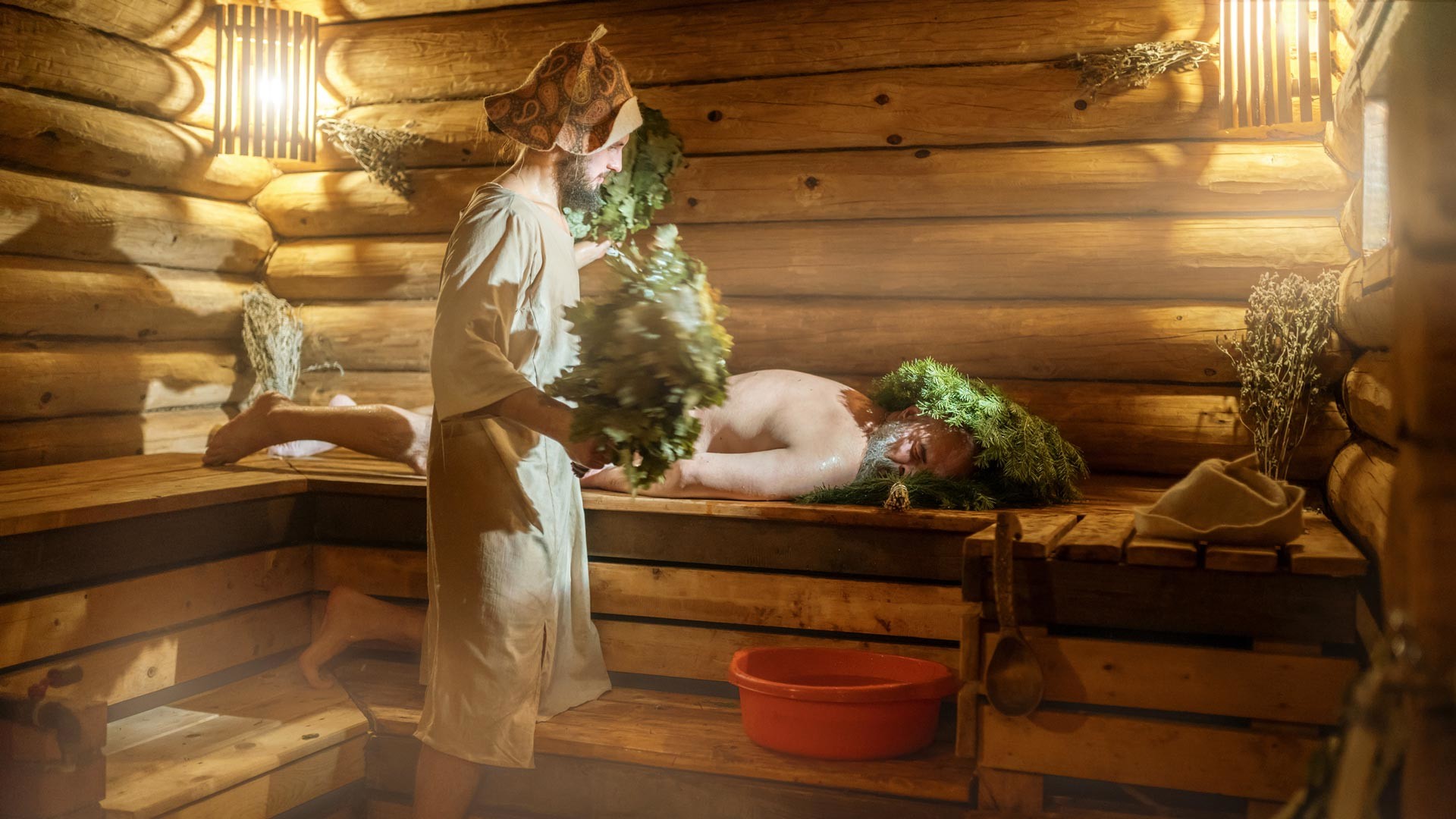
The Russian banya, or traditional steam bath, is more than just a place to get clean; it's a sacred ritual that has been woven into the fabric of Russian culture for centuries. This unique tradition is not only a means of physical cleansing but also a deeply spiritual experience, where individuals can purify their bodies and minds.
The banya experience begins with the heating of a wood-fired stove, which heats up the stones inside to intense temperatures. As the steam rises, the air becomes thick and humid, and the senses are enveloped in the earthy, fragrant scent of birch branches and herbs. Bathers then use a special felt or oak veneer mitt, known as a 'venik', to gently slap and massage their skin, stimulating circulation and releasing toxins.
The ritual often culminates in a plunge into a nearby lake or river, further invigorating the senses and rejuvenating the body. The banya is not just a physical experience, but a deeply social one as well, with families and friends gathering to share in the tradition and engage in lively conversation.
3. The Tradition of Russian Hospitality
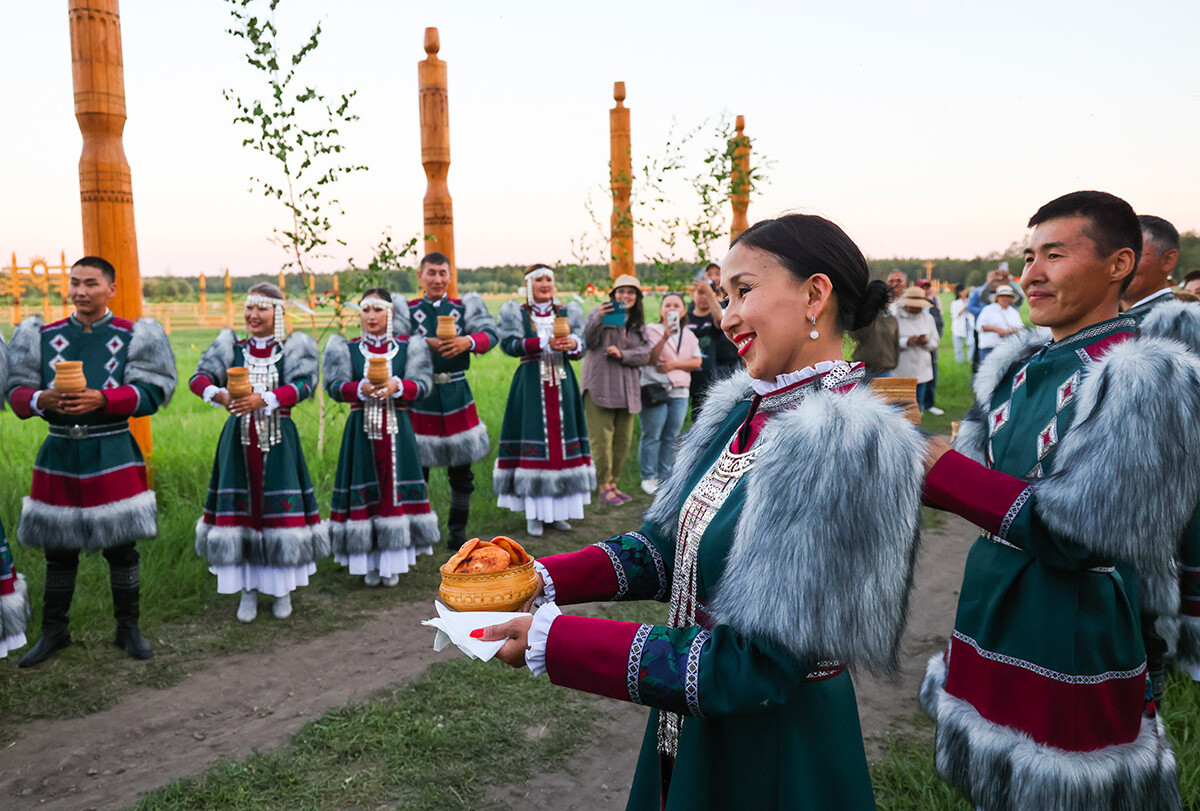
Hospitality is deeply ingrained in Russian culture, and the country's renowned tradition of welcoming guests with open arms is a testament to the warmth and generosity of the Russian people. From the moment a visitor steps through the door, they are greeted with an array of delectable dishes, heartwarming conversations, and genuine expressions of kindness.
At the heart of this tradition is the concept of "gostepriimstvo," which translates to "the art of receiving guests." This ritual often begins with the offering of bread and salt, a symbolic gesture that signifies the host's desire to provide for their guests and ensure their comfort.
As the gathering unfolds, the table is laden with an abundance of traditional Russian delicacies, from hearty borscht and savory pirozhki to sweet blini and the iconic vodka. Guests are encouraged to indulge, with the host constantly refilling plates and glasses, ensuring that no one leaves the table unsatisfied.
But the true essence of Russian hospitality lies not just in the food and drink, but in the genuine connection and camaraderie that are fostered during these gatherings. Strangers quickly become friends, and conversations flow freely, fueled by a shared appreciation for the richness of Russian culture.
4. The Celebration of Maslenitsa
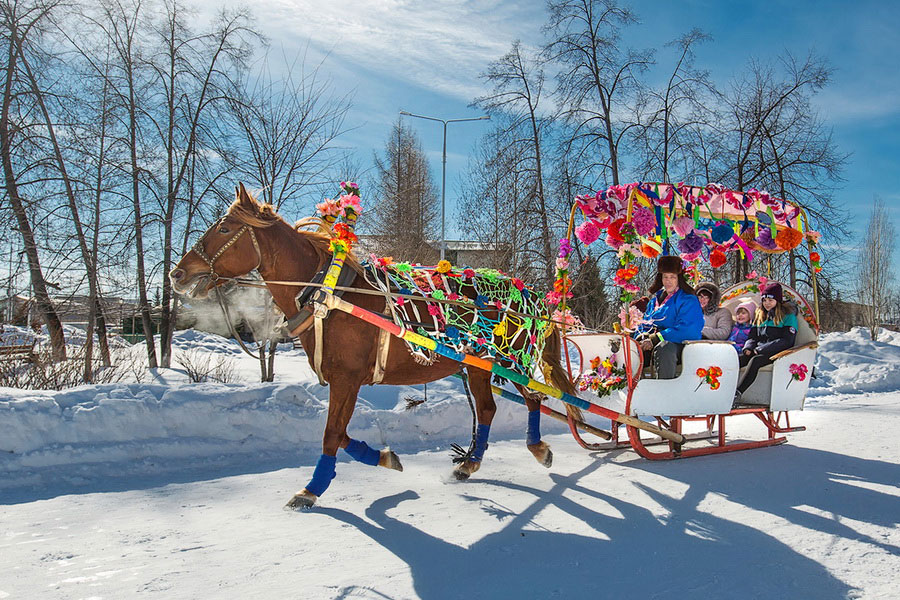
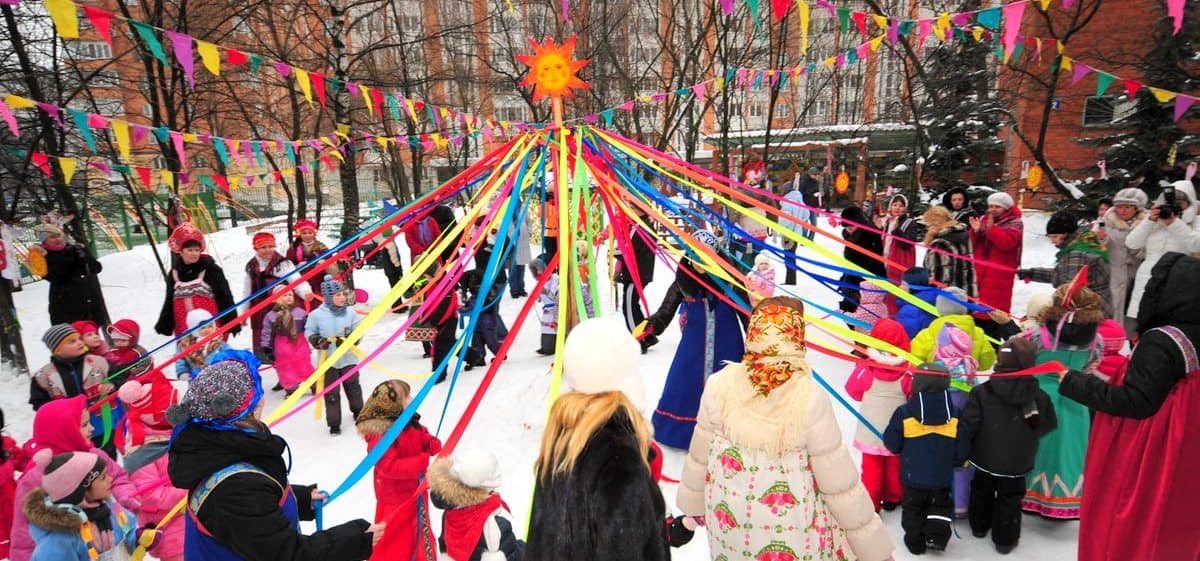
Maslenitsa, also known as "Butter Week" or "Pancake Week," is a vibrant and joyous festival that marks the end of winter and the arrival of spring in Russia. This ancient pagan celebration, which has been embraced by the Orthodox Christian tradition, is a time of feasting, revelry, and the renewal of the spirit.
The week-long festival is filled with a variety of traditional activities, each with its own unique significance. From the burning of the Maslenitsa effigy, which symbolizes the end of winter, to the making and consumption of blini (Russian pancakes), every aspect of the celebration is imbued with deep meaning and cultural symbolism.
One of the most captivating traditions of Maslenitsa is the practice of "forgiveness," where individuals seek to reconcile with their loved ones and let go of any lingering resentments or conflicts. This ritual is a powerful reminder of the importance of community, empathy, and the cyclical nature of life.
As the festival reaches its climax, the streets come alive with parades, music, and the laughter of children playing traditional games. The air is filled with the aroma of freshly baked blini, and the sound of lively conversation and the clinking of vodka glasses.
5. The Ritual of the Russian Tea Ceremony
In a world that often moves at a breakneck pace, the Russian tea ceremony offers a rare moment of tranquility and mindfulness. This time-honored tradition is not just about the simple act of brewing and serving tea; it's a deeply symbolic ritual that reflects the country's rich cultural heritage and the Russian people's appreciation for the finer things in life.
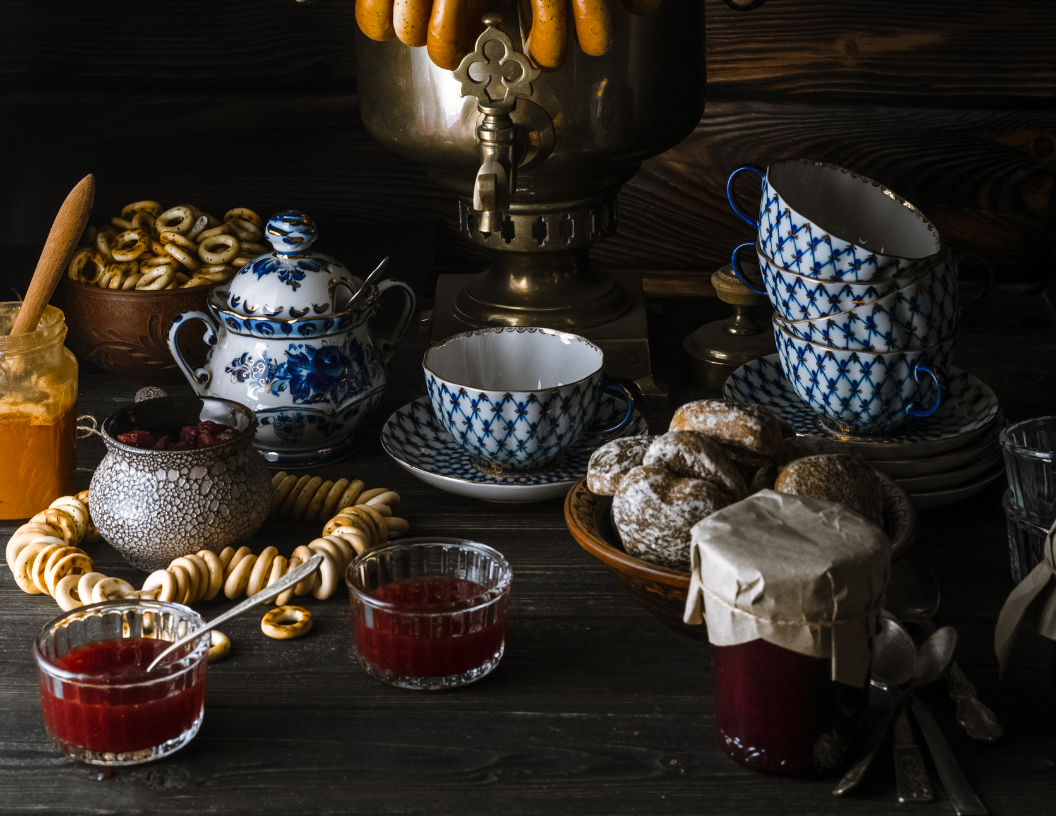
The ceremony begins with the meticulous preparation of the samovar, a traditional Russian metal urn used to boil water for tea. The gentle hiss of the samovar's flame and the rhythmic pouring of the tea into delicate porcelain cups create a soothing, almost meditative atmosphere.
As the tea is served, the host engages in a series of carefully choreographed movements, carefully measuring the tea leaves, pouring the hot water, and adjusting the temperature to ensure the perfect brew. The guests, in turn, engage in lively conversation, savoring the rich, flavorful tea and the comforting warmth of the moment.
But the Russian tea ceremony is more than just a social gathering; it's a celebration of the country's history and the enduring power of tradition. The intricate porcelain tea sets, the ornate samovars, and the time-honored rituals all serve as a tangible link to the past, reminding us of the timeless beauty and elegance that permeates Russian culture.
Conclusion
From the intricate artistry of the matryoshka dolls to the soothing ritual of the Russian tea ceremony, these unique traditions offer a glimpse into the heart and soul of Russia. Each custom, rooted in centuries of history and cultural evolution, serves as a testament to the resilience, creativity, and enduring spirit of the Russian people.
As we explore these traditions, we are not only enriched by the beauty and significance of the rituals themselves, but also by the deeper understanding and appreciation we gain for the rich tapestry of Russian culture. So, let us raise a glass of vodka, don our best banya attire, and immerse ourselves in the captivating world of Russian traditions, for they are a true reflection of the country's enduring essence.


