5G vs 6G: What’s the difference?
-
 Loading...
 - Agnes Janos
- 21 Feb 2023
- 65 Views
- 0 Like
- 0 Comment
In a world of constant technological evolution, it can be hard to keep up with the latest advancements. Here, we compare 5G and 6G networks to help you understand the differences between the two.
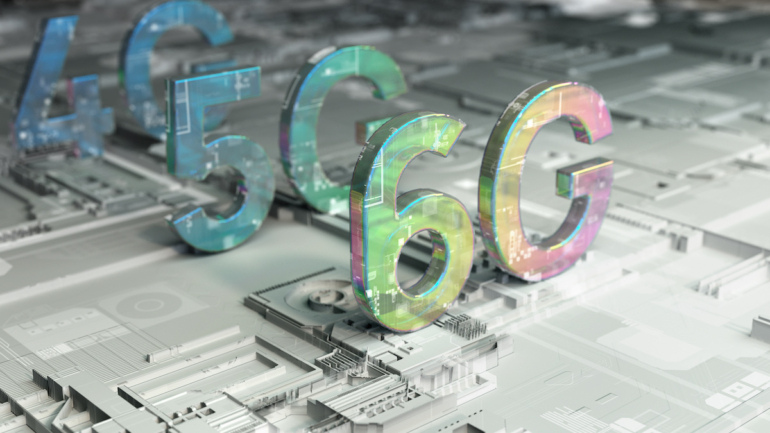
The world of wireless technology is constantly evolving, and the introduction of 5G and 6G networks has revolutionized how we communicate. From faster speeds to lower latency, these two technologies have opened up a new realm of possibilities for consumers and businesses alike, but what exactly is the difference between 5G and 6G?
What is 5G?
5G is the fifth generation of cellular network technology, succeeding 4G LTE. It was first introduced in 2019, and Verizon led the way with commercial deployment beginning in April of that year. Unlike 3G and 4G before it, 5G wasn’t simply an incremental technological advancement but a true leapfrog technology.
One of the biggest differences between 5G and its predecessors is speed. 5G offers theoretical speeds of up to 10 gigabits per second, which is more than 30 times faster than the 300Mbps theoretical maximum speed of 4G LTE-Advanced. This technology also uses higher frequency bands than previous generations and is deployable in low-band, mid-band or high-band millimeter-waves from 24 GHz up to 66 GHz. This aspect allows massively faster data transfer speeds and greater bandwidth capacity.
5G use cases
This technology opened up a new world of possibilities, enabling applications such as autonomous vehicles, the Internet of Things and smart cities. In addition, it is also used to deliver healthcare services remotely and vastly improve gaming experiences. Read More…