6 Tips to Improve Your Interior Design
-
 Loading...
 - Daniel Oguche
- 30 May 2023
- 61 Views
- 0 Like
- 0 Comment
Are you tired of looking at the same old interior in your home? Do you want to spruce up your living space and give it a fresh new look? Look no further! In this article, we will explore 6 tips to improve your interior design and transform your home into a stylish and inviting space. Whether you're a seasoned designer or a novice enthusiast, these tips will help you elevate your interior design game and create a space that reflects your unique style and personality.
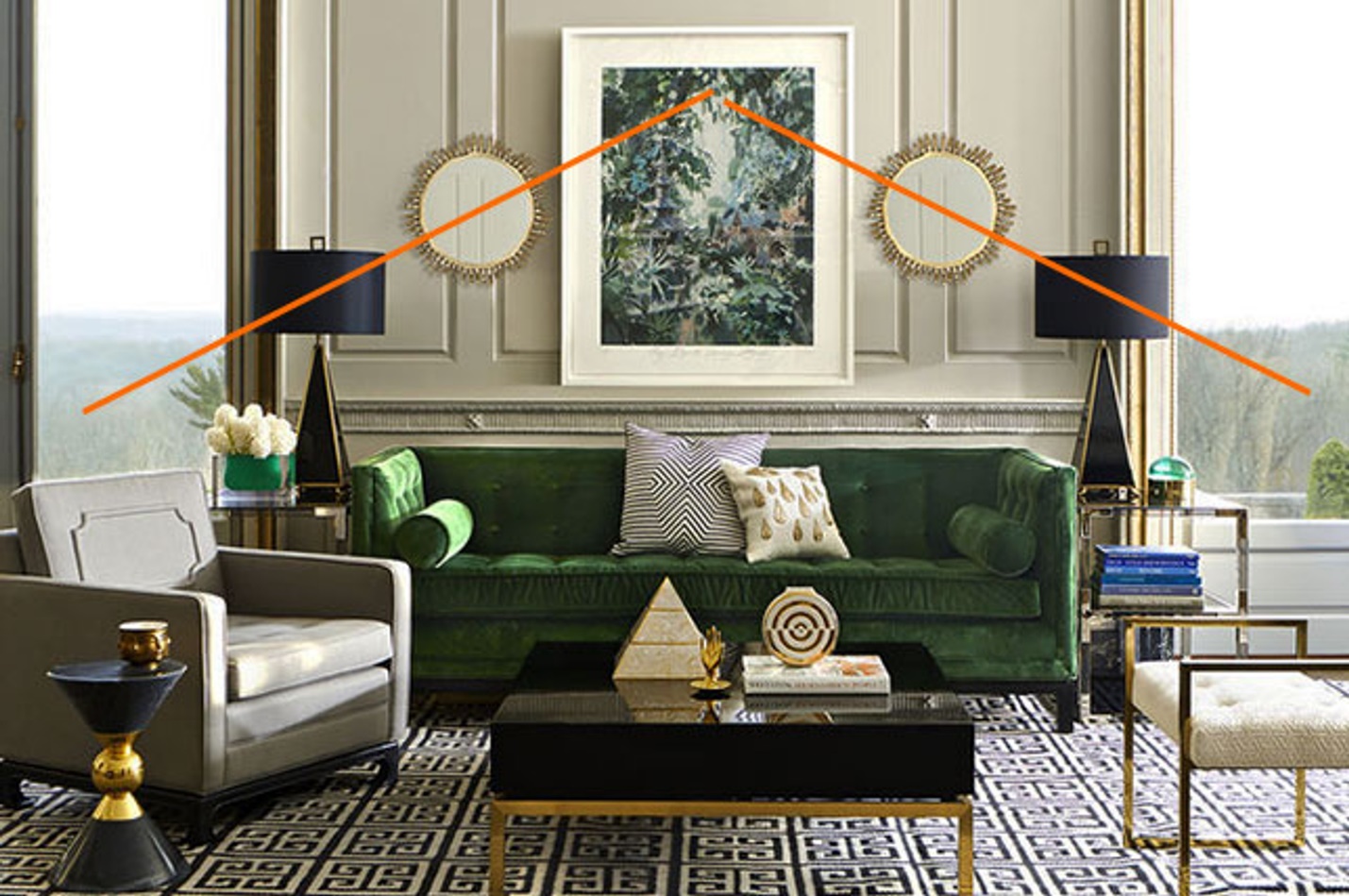
1. Choose a Focal Point
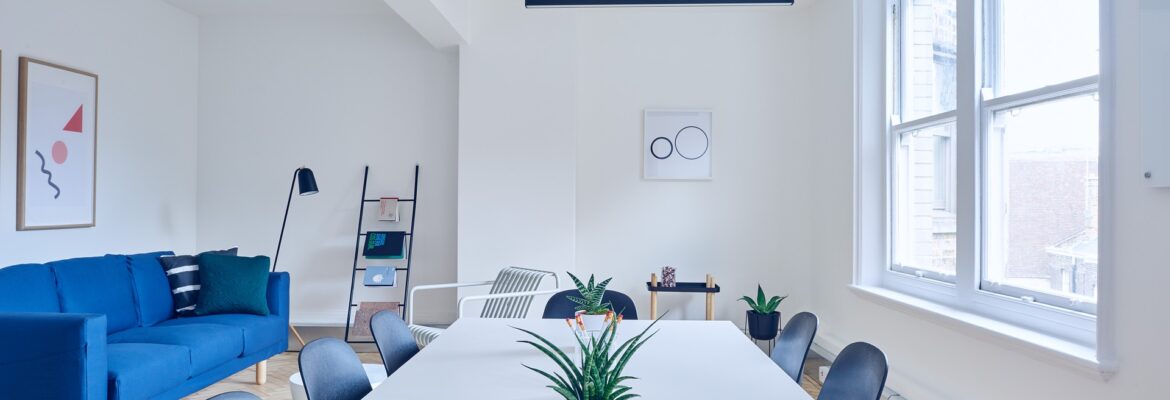
One of the most important aspects of interior design is choosing a focal point. This is the element that draws the most attention and sets the tone for the entire room. It could be a stunning piece of artwork, a beautiful fireplace, or a statement furniture piece. By highlighting a focal point, you create a visual anchor that adds depth and character to your space.
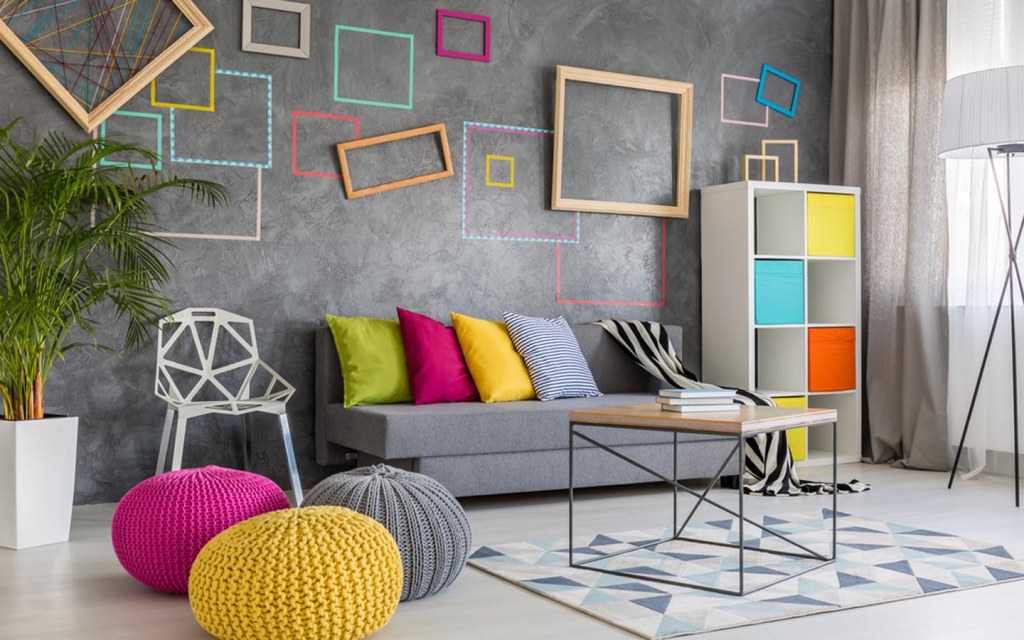
2. Play with Colors and Textures
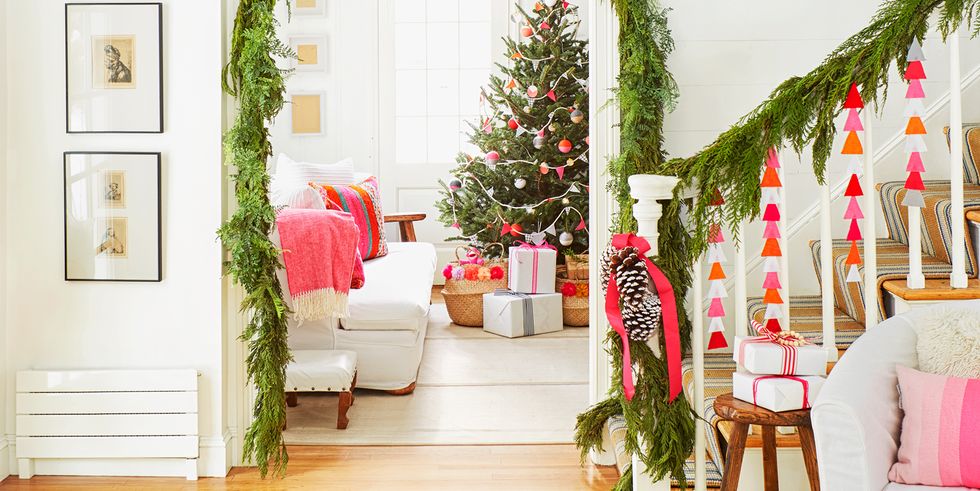
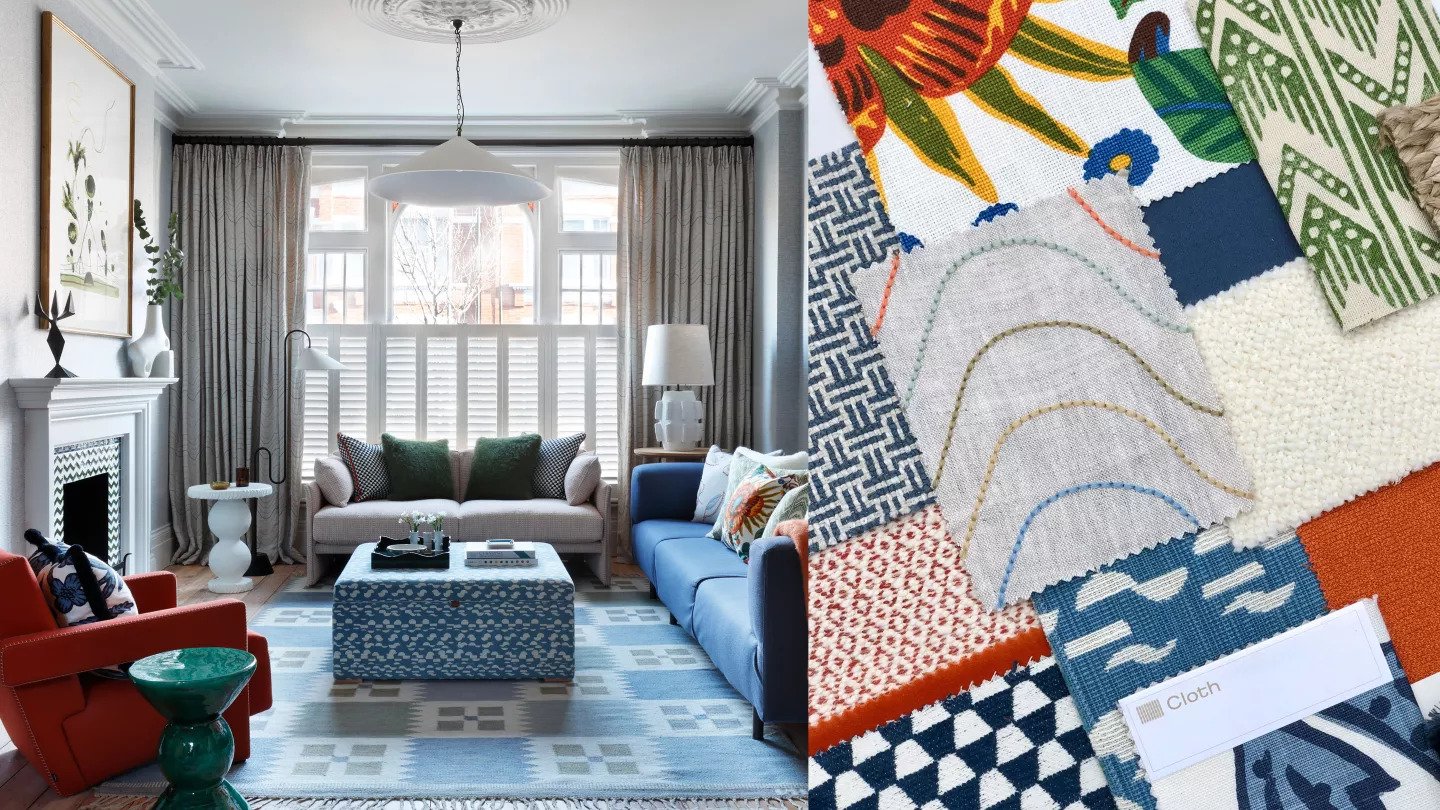
Colors and textures play a crucial role in interior design. They have the power to evoke emotions and set the mood in a room. Experiment with different color palettes and textures to create visual interest and balance. Consider using contrasting colors to add depth, or layer different textures to create a tactile experience. Don't be afraid to mix and match patterns and materials for a unique and personalized look.
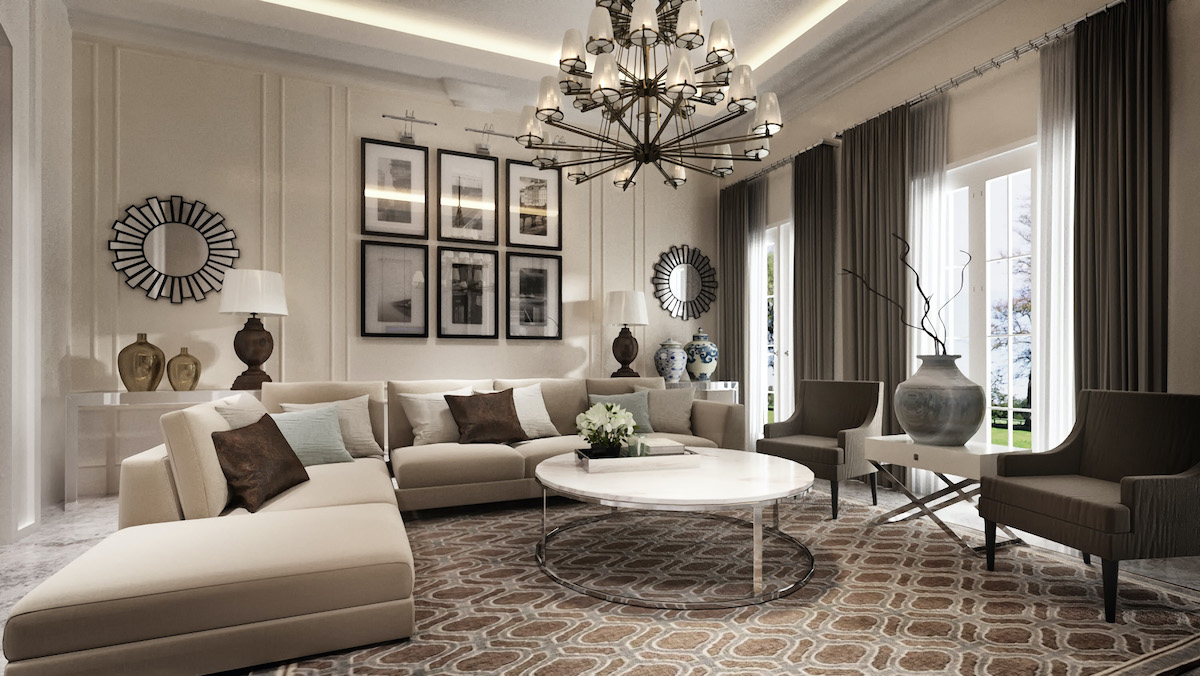
3. Let There Be Light!
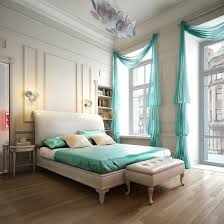
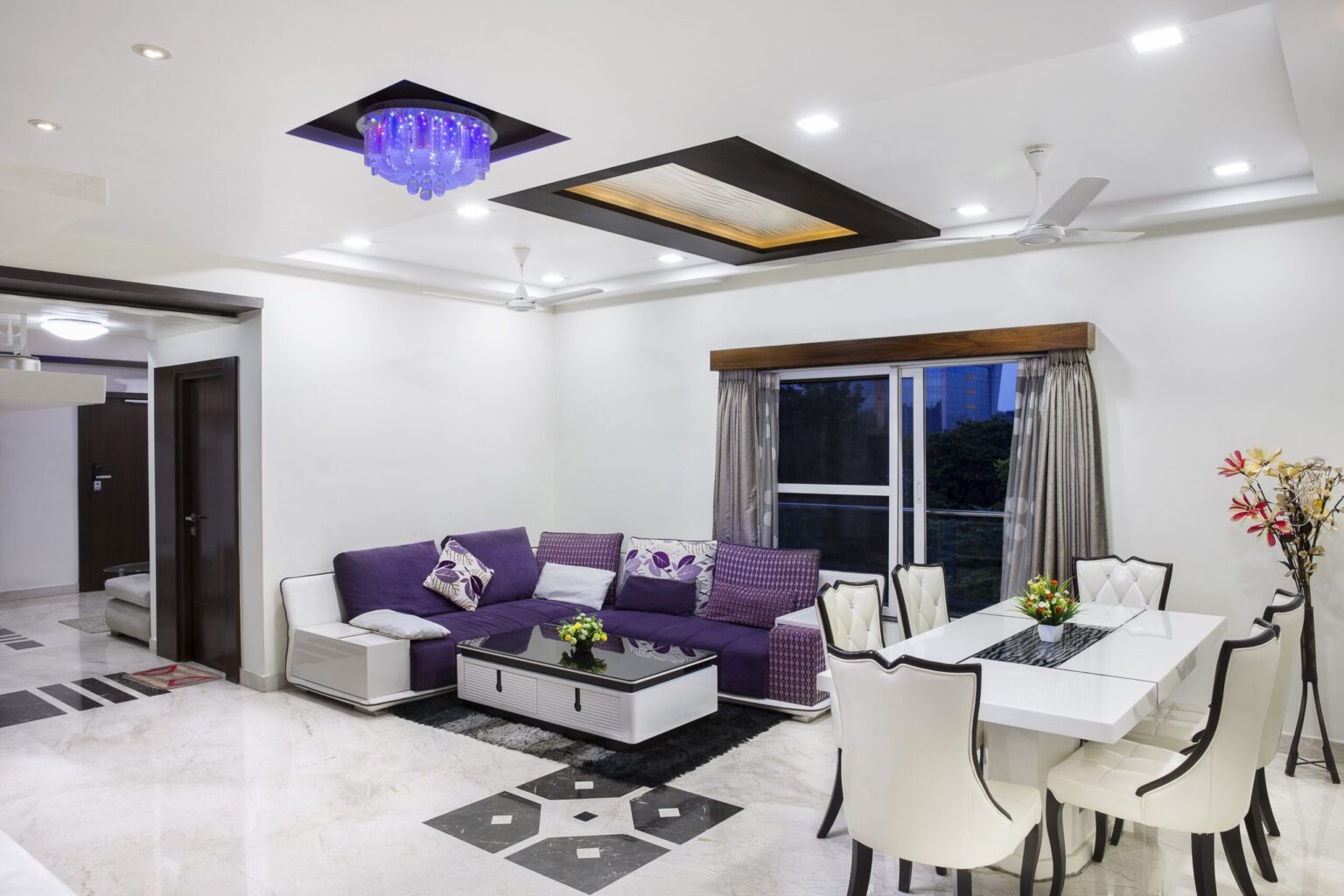
Lighting is an essential aspect of interior design that often gets overlooked. It can make or break the ambiance of a room. Incorporate a variety of lighting options, including ambient, task, and accent lighting, to create layers of illumination. Install dimmers to adjust the intensity of light according to your needs and the time of day. Natural light is also crucial, so make sure to maximize it by using sheer curtains or mirrors strategically.

4. Furniture Arrangement Matters
The way you arrange your furniture can greatly impact the flow and functionality of a room. Consider the purpose of the space and arrange the furniture accordingly. Create conversational areas by grouping furniture together, ensuring that there is enough space for easy movement. Balance the room by placing larger furniture pieces against solid walls and using smaller pieces for visual interest.
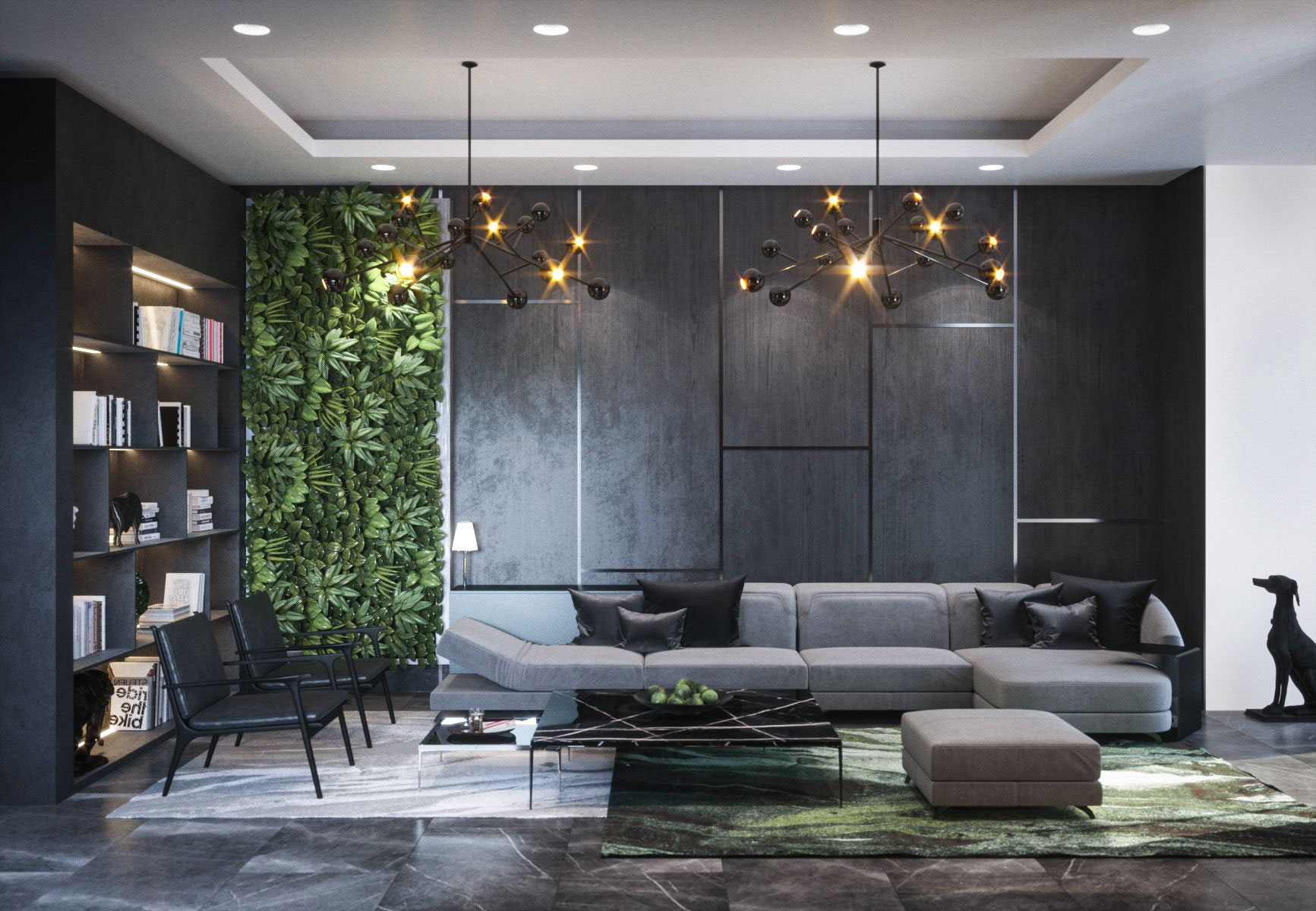
5. Accessorize with Purpose
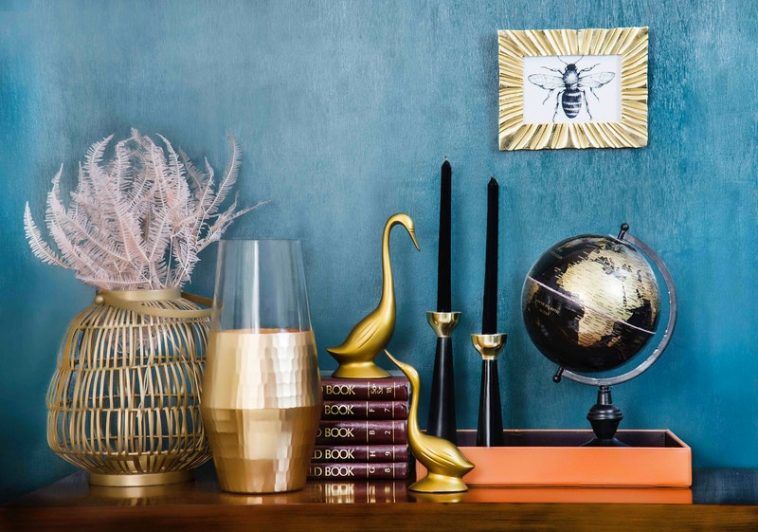
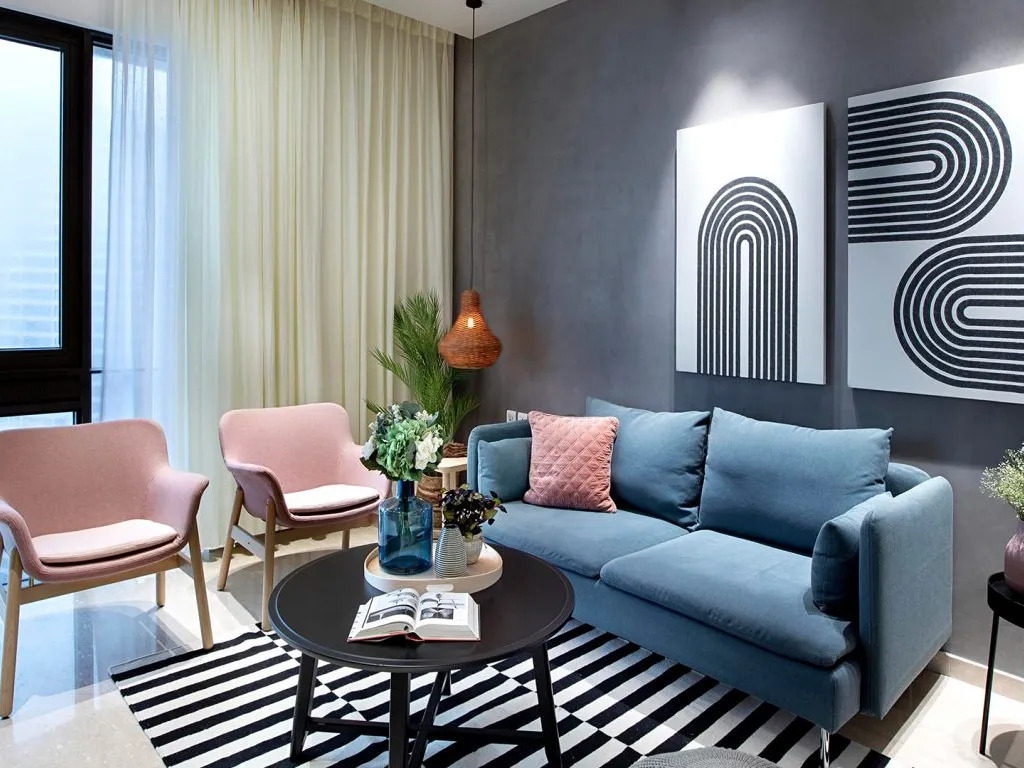
Accessories are the finishing touches that tie a room together. However, it's important to use them purposefully and sparingly. Choose a few statement pieces that complement the overall design and avoid cluttering the space. Incorporate items that reflect your personality and interests, such as artwork, sculptures, or meaningful trinkets. Remember, less is often more when it comes to accessorizing.
6. Create a Sense of Harmony
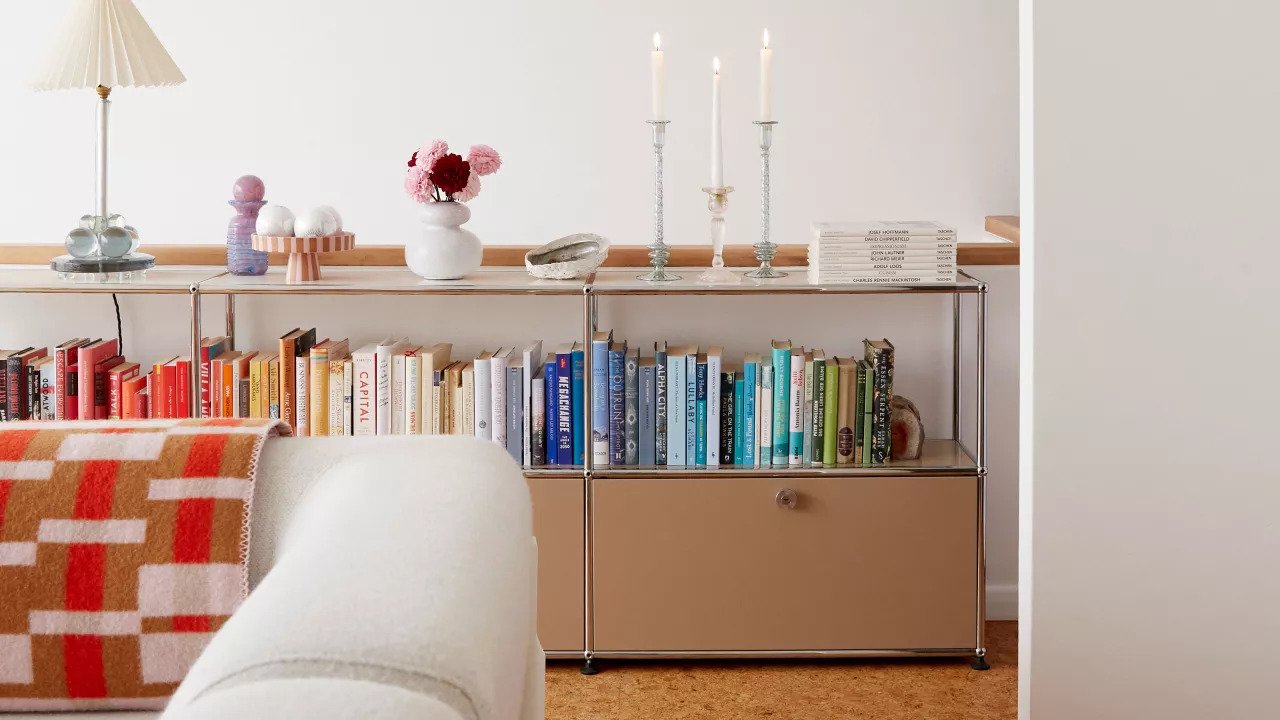
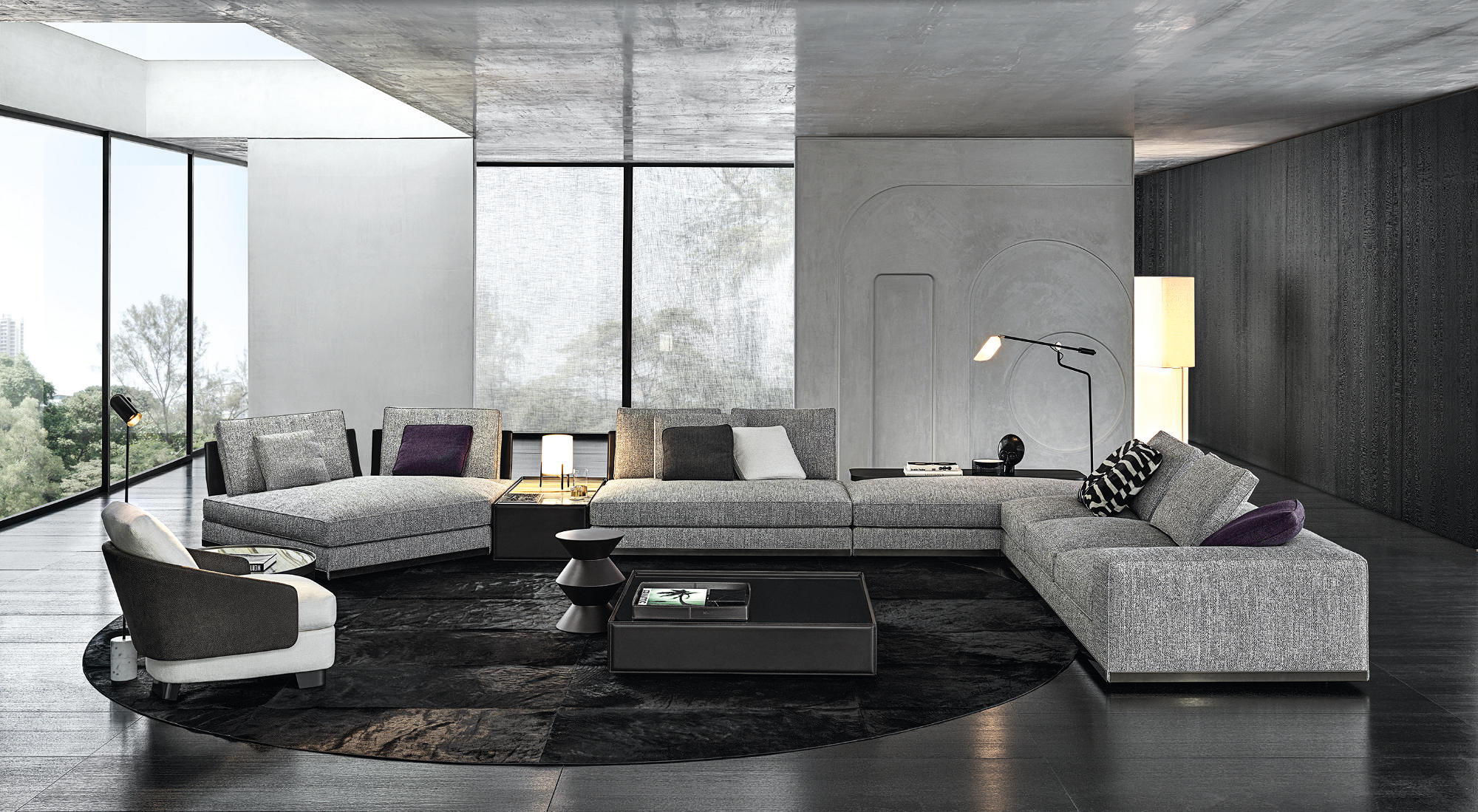
Creating a sense of harmony is crucial in interior design. All the elements in a room should work together to create a cohesive and balanced look. Consider the overall theme or style you want to achieve and ensure that every element contributes to that vision. Pay attention to details such as color coordination, furniture scale, and proportion. Remember, a harmonious space is a visually pleasing space.
Frequently Asked Questions
1. How can I improve the lighting in a dark room?
To improve the lighting in a dark room, you can:
- Paint the walls in light colors to reflect more light.
- Use mirrors strategically to bounce light around the room.
- Install additional light fixtures, such as floor lamps or track lighting.
- Opt for sheer curtains or blinds to maximize natural light.
2. What are some budget-friendly ways to improve my interior design?
- Rearrange your furniture to create a new layout.
- Paint the walls in a fresh color or create an accent wall.
- Update your accessories, such as throw pillows or curtains.