7 Home Decor Mistakes to Avoid: Creating a Stunning Living Space
-
 Loading...
 - Nathaniel Ola
- 07 Jun 2023
- 60 Views
- 0 Like
- 0 Comment
Discover the Common Mistakes and Learn How to Transform Your Home into a Stylish Haven
When it comes to home decor, everyone wants their living space to be a reflection of their personal style and taste. However, in the pursuit of creating a stunning home, it's easy to fall prey to some common mistakes that can undermine your efforts. In this comprehensive guide, we will walk you through some home decor mistakes to avoid. By recognizing and rectifying these pitfalls, you can elevate your interior design game and turn your home into a beautiful haven that exudes charm and elegance.
1. Neglecting the Power of Lighting
One of the most overlooked aspects of home decor is lighting. Poorly lit spaces can make even the most beautifully designed rooms appear dull and uninspiring. To avoid this mistake, pay attention to both natural and artificial lighting. Incorporate a mix of ambient, task, and accent lighting to create a warm and inviting atmosphere. Additionally, consider the placement of light sources to highlight focal points and architectural features in your home.
2. Choosing the Wrong Color Scheme
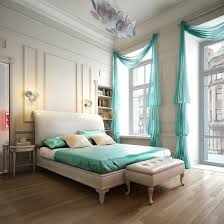
Color plays a vital role in setting the mood and ambiance of a room. Selecting the wrong color scheme can make your space feel chaotic or unbalanced. When deciding on a color palette, consider the purpose of the room and the emotions you want to evoke. Warm tones like reds and yellows create an energetic atmosphere, while cool hues like blues and greens promote relaxation. Don't be afraid to experiment with different shades and tones to find the perfect balance for each room.
3. Overlooking the Importance of Scale and Proportion
Achieving a harmonious and well-balanced look in your home requires careful consideration of scale and proportion. Furniture that is too large or too small for a room can throw off the entire aesthetic. To avoid this mistake, measure your space accurately and choose furniture and accessories that are appropriately sized. Remember, it's all about creating a visual balance between the elements in the room.
4. Cluttering Your Space
A cluttered home not only looks messy but also affects your overall well-being. Too many decorative items and excessive knick-knacks can make a room feel cramped and overwhelming. Embrace a minimalist approach and declutter your space regularly. Keep only the items that hold sentimental value or contribute to the overall aesthetic. By doing so, you'll create a clean and organized environment that promotes relaxation and clarity of mind.
5. Neglecting Proper Furniture Placement
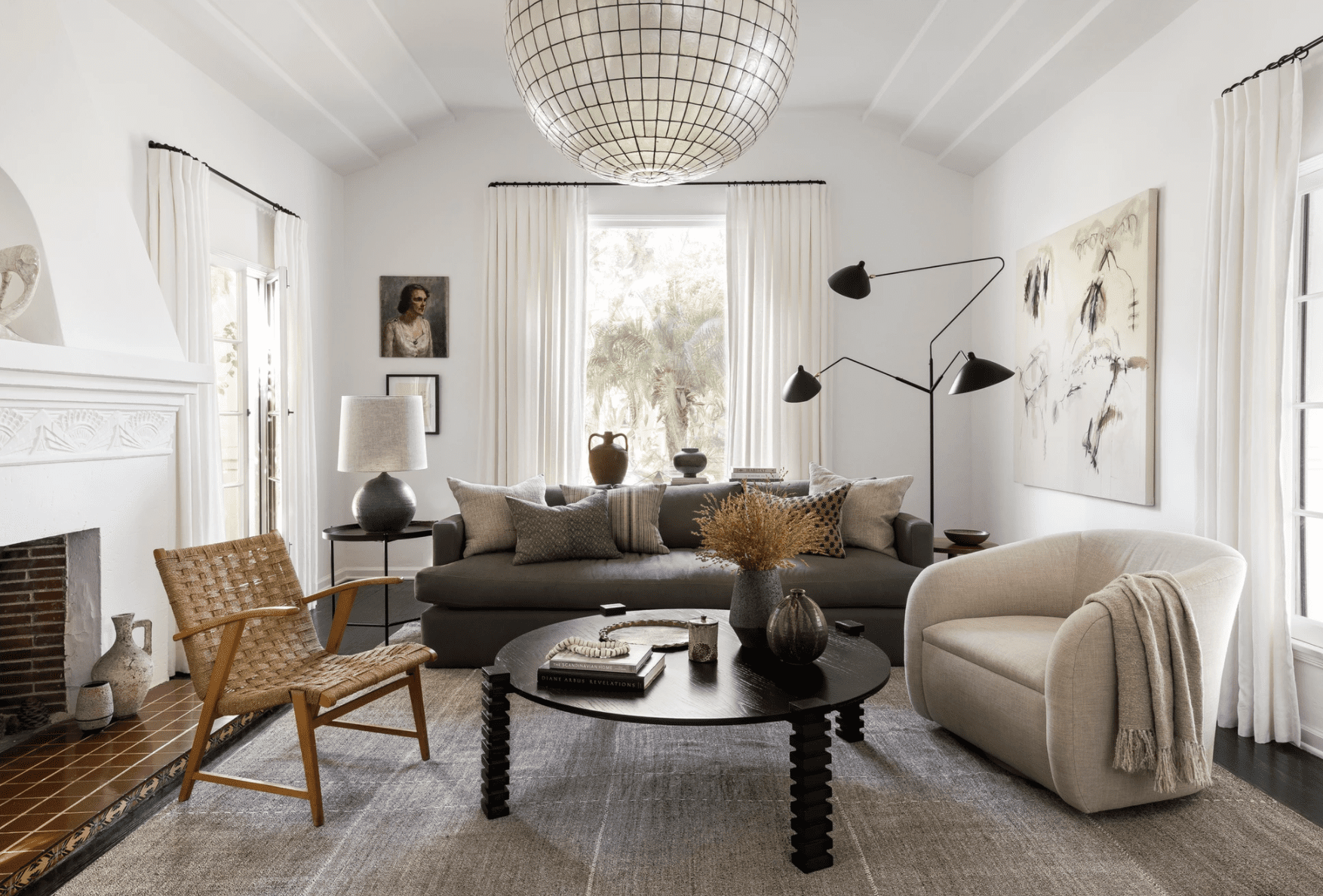
How you arrange your furniture can make or break the functionality and flow of a room. Avoid the mistake of pushing all your furniture against the walls, which can result in a disconnected and uninviting space. Instead, experiment with different furniture layouts that encourage conversation and create cozy gathering areas. Consider the focal point of the room and arrange your furniture around it for a visually appealing and functional setup.
6. Disregarding the Power of Textures and Patterns
Textures and patterns add depth and visual interest to a room, but they need to be used wisely. Overloading your space with too many textures and patterns can create a chaotic and overwhelming atmosphere. Strike a balance by incorporating a mix of textures and patterns that complement each other. Use solid colors as a foundation and introduce patterns and textures through rugs, throw pillows, and curtains to create a cohesive and visually appealing space.
7. Ignoring Personal Style and Comfort
While it's important to stay updated with the latest trends, it's equally vital to design a space that reflects your personal style and offers comfort. Avoid blindly following trends that may not resonate with your own taste. Incorporate elements and accessories that have personal meaning and make you feel at ease in your own home. Remember, a well-designed space is not just visually appealing, but also a reflection of your unique personality.
Frequently Asked Questions (FAQs)
Q1. Should I stick to a single lighting source in a room?
A1. No, it's recommended to incorporate multiple lighting sources in a room to create layers and depth. Combine ambient, task, and accent lighting to achieve a well-lit and visually appealing space.
Q2. How can I choose the right color scheme for my home?
A2. Start by considering the purpose of each room and the emotions you want to evoke. Warm colors like reds and yellows are energizing, while cool colors like blues and greens promote relaxation. Experiment with different shades and tones to find the perfect color balance.
Q3. Is it necessary to hire a professional interior designer to avoid home decor mistakes?
A3. While professional guidance can be beneficial, it's not always necessary. By educating yourself about common mistakes and understanding the principles of interior design, you can avoid pitfalls and create a stunning home on your own.
Q4. How can I make a small room appear more spacious?
A4. Opt for light-colored walls and furniture to create an illusion of space. Use mirrors strategically to reflect light and make the room feel larger. Additionally, minimize clutter and choose multi-functional furniture to maximize the use of space.
Q5. Are there any specific rules for mixing patterns and textures in home decor?
A5. While there are no hard and fast rules, it's important to maintain a balance. Start with a solid-colored base and gradually introduce patterns and textures through rugs, pillows, and curtains. Mix patterns of different scales and ensure they complement each other to create a visually pleasing result.
Q6. How can I strike a balance between personal style and following trends?
A6. Stay true to your personal style while incorporating elements of current trends that resonate with you. Choose timeless pieces that can be easily updated with accessories to keep your home decor fresh and on-trend.
By avoiding these Home Decor Mistakes, you can transform your living space into a stylish haven that reflects your personal style and offers comfort. Remember the importance of lighting, color schemes, scale, and proportion. Don't overlook the power of textures and patterns, and always prioritize your own taste and comfort. With these tips in mind, you're well on your way to creating a stunning home that you'll be proud to show off to friends and family.