7 Obscure Scrabble Rules Serious Players Need to Know
-
 Loading...
 - Abigail Badu
- 30 Sep 2024
- 54 Views
- 0 Like
- 0 Comment
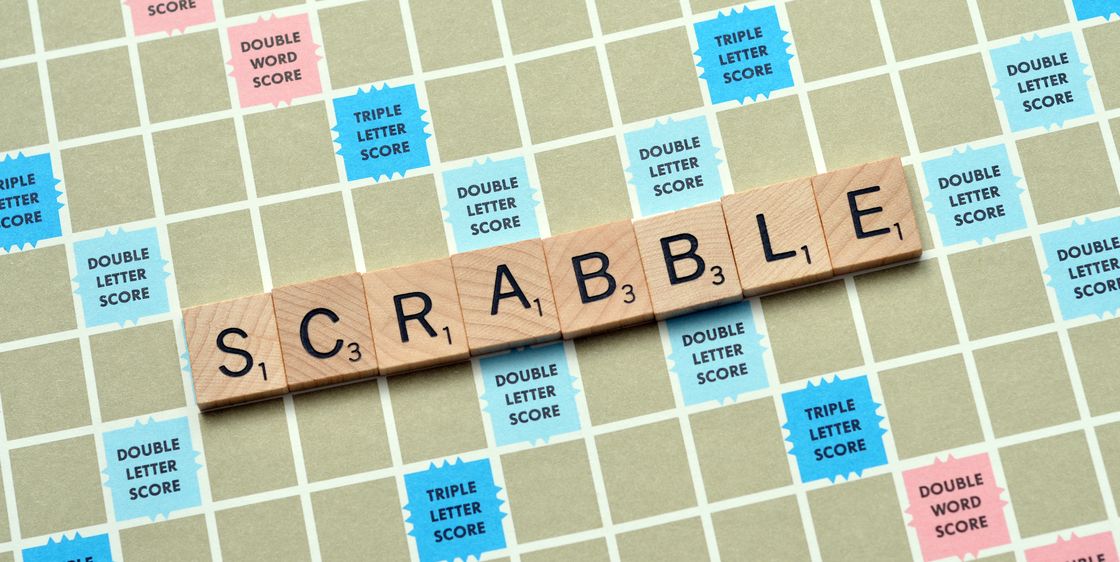
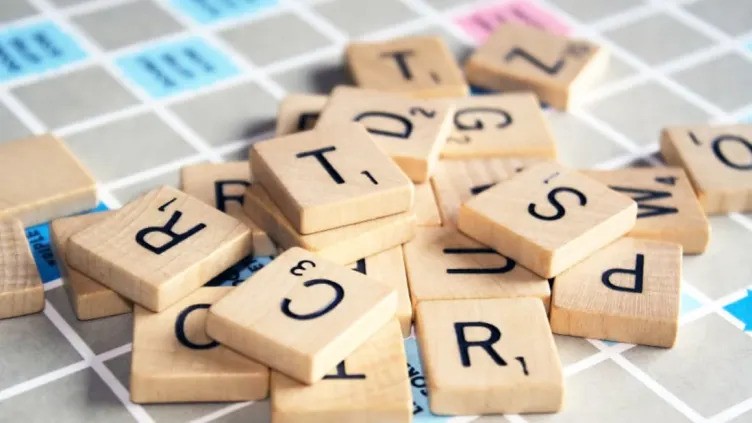
Scrabble is a game of strategy and skill, but even experienced players may not be aware of some of the lesser-known rules that can make all the difference in a game. Here are 7 obscure Scrabble rules that serious players need to know:
1. The "Q" Without a "U" Rule: While it's common knowledge that the letter "Q" is usually followed by the letter "U", there are some exceptions. In Scrabble, the words "QI" and "QAT" are acceptable without a "U".
2. The "S" on the End of a Word Rule: When a word ends in the letter "S", it's often assumed that it's a plural form. However, in Scrabble, the "S" can also be used to form a possessive noun. For example, the word "CATS" can be used as a plural noun or as a possessive noun, as in "CAT'S".
3. The "Blank" Tile Rule: The blank tile in Scrabble can be used as any letter in the alphabet, but it's often misunderstood that it can also be used as a zero-point tile. This means that if a player uses the blank tile as a zero-point tile, it will not score any points.
4. The "Word Extension" Rule: When a player adds a word to an existing word on the board, it's called a "word extension". However, there's a rule that states that the new word must be at least two letters longer than the original word.
5. The "Proper Noun" Rule: Proper nouns, such as names of people and places, are not allowed in Scrabble. However, there's an exception for words that are commonly used as proper nouns but also have a common meaning. For example, the word "SPRING" can be used as a proper noun (as in "Spring, Texas") or as a common noun (as in "spring season").
6. The "Apostrophe" Rule: Apostrophes are not allowed in Scrabble, except in the case of possessive nouns. However, there's a rule that states that if a word contains an apostrophe, it can be used without the apostrophe and still be considered a valid word.
7. The "Challenge" Rule: If a player challenges another player's word, the challenged player must prove that the word is valid. However, there's a rule that states that if the challenged player cannot prove the word's validity, they lose their turn and the challenger scores a bonus.
By knowing these obscure Scrabble rules, serious players can gain an edge over their opponents and improve their chances of winning. Whether you're a seasoned pro or a beginner, understanding these rules can help you become a better Scrabble player.