7 Principles of Japanese Interior Design That Will Help You Simplify

The serene Japandi design aesthetic, which combines Japanese and Scandinavian styles, is gaining popularity in the US. This peaceful approach to decorating encourages relaxation at home by mixing the cultural ethos of both regions into one zen technique. However, to fully grasp Japandi, you first comprehend each region's fundamental design elements.
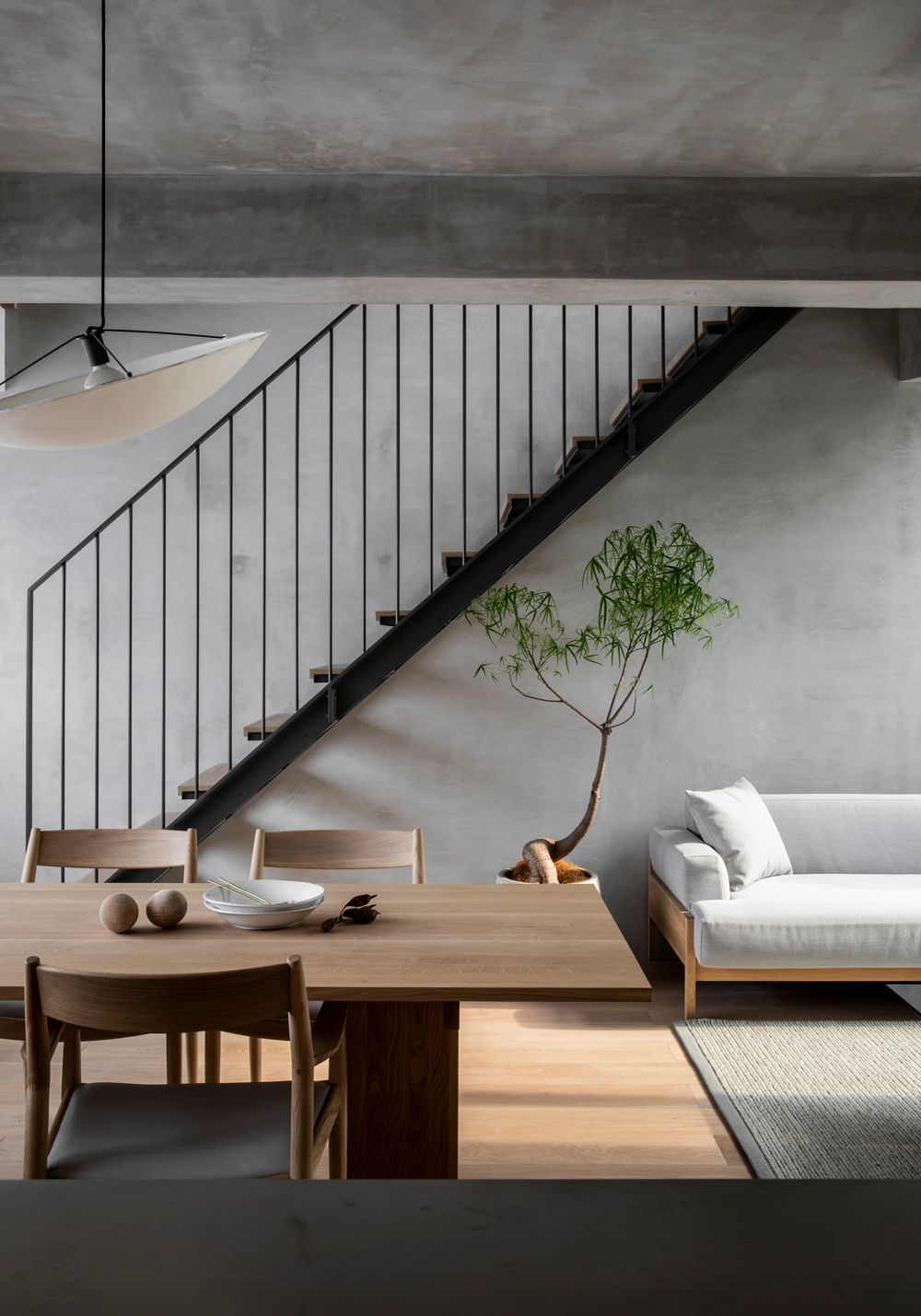
Japanese design, grounded in simplicity and a connection to nature, features clean lines, rough-hewn textures, a neutral palette, and minimal styling. For Keiji Ashizawa, architect and product designer of Keiji Ashizawa Design in Tokyo, the word that comes to mind is harmony. "We are trying to harmonize, always. We harmonize the color palette and the materials," Ashizawa says, citing the importance of complementary shades and textures.
Simplicity is also key, says Masa Kaneko of Crafits Design Studio and Ippin Project in Brooklyn, NY. "'Simple' is the keyword, as a basic aesthetic sense related to design, not only interior design but also architecture, products, fashion, etc.," he says. Contrary to Western beliefs that encourage the addition of interior components, Japanese designs "prefer less decoration" and promote removing distracting elements. In other words, Japan interior design abides by the rule that less is more.
Japanese design echoes the country's verdant gardens and architecture, too. "It's such a beautiful culture," Ashizawa says, referencing zen gardens and their timeless beauty. "They are still as beautiful today as they were 600 years ago." Read More...