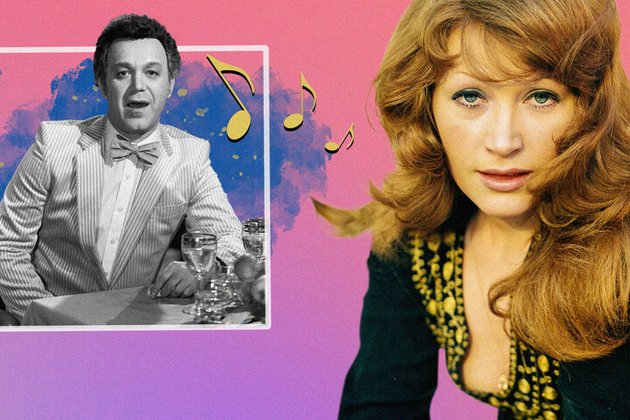
7 Soviet pop idols
-
 Loading...
 - tyler matilda
- 18 Jul 2022
- 95 Views
- 0 Like
- 0 Comment
Although there were some restrictions on the “capitalist” way of life in Soviet times, music in those years was, more or less, in line with the global trends. Musicians shot videos, toured every region of the vast country and, of course, had crowds of fans.
1. Anna German
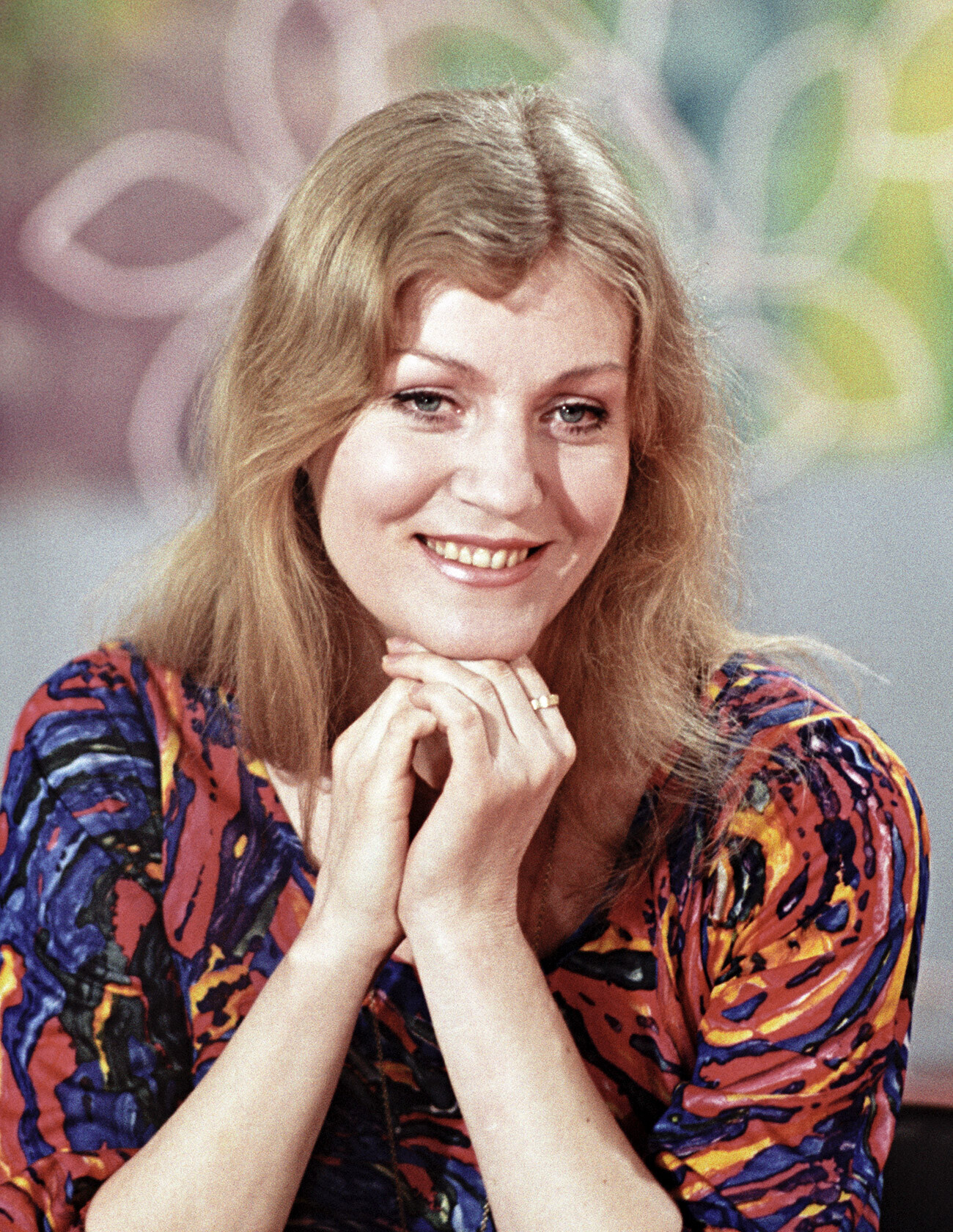
One of the most popular Soviet singers, Anna German (1936-1982) had roots among Russian Germans and spent her youth in Wroclaw, Poland. In addition to Russian and Polish, she spoke Italian, English and even an old German dialect.
She began to perform with songs at student evenings and, soon, she became a frequent guest at various festivals in Poland, Italy and the Soviet Union. And it was Soviet composers who wrote the most famous songs for her: ‘Hope’, ‘When Gardens Blossomed’, ‘Tenderness’ and ‘Echo of Love’.
2. Lev Leshchenko
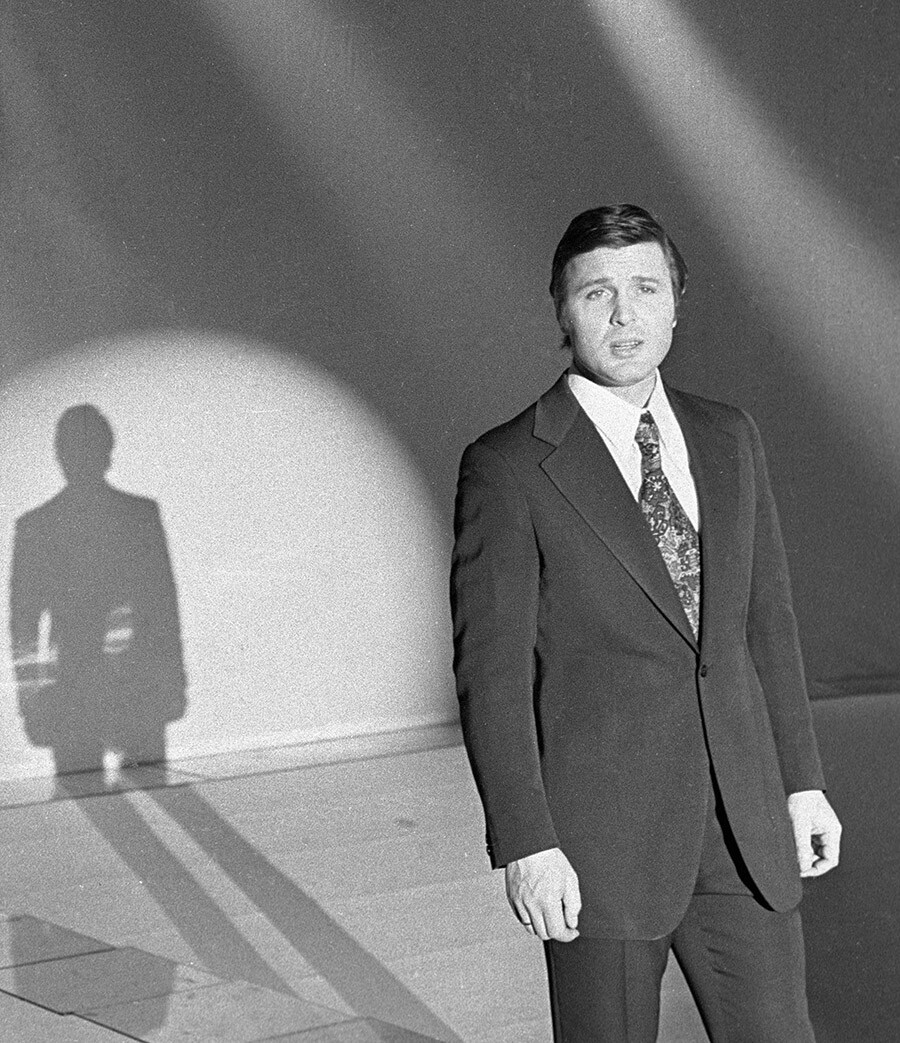
The “crush” of many Soviet women was Lev Leshchenko (born in 1942 in Moscow and still performing in his 80s!). The actor was noticed, oddly enough, in the army and, after his service, he entered the theater institute. The song ‘Victory Day’, which he performed on May 9, 1975, brought him worldwide popularity and, since then, he is the regular performancer on every solemn day in Russia. He even sang at the closing ceremony of the 1980 Olympic Games in Moscow.
Today, Leshchenko sings not only old hits, but also new songs, recording them together with young rappers (yes, rappers). “I have liked rap for a long time. After all, we do love Mayakovsky [poems] and this was like the first rap,” the artist said in a recent TV interview in 2022.
But, the main song that even young Russians know by heart is ‘Goodbye’.
3. Iosif Kobzon
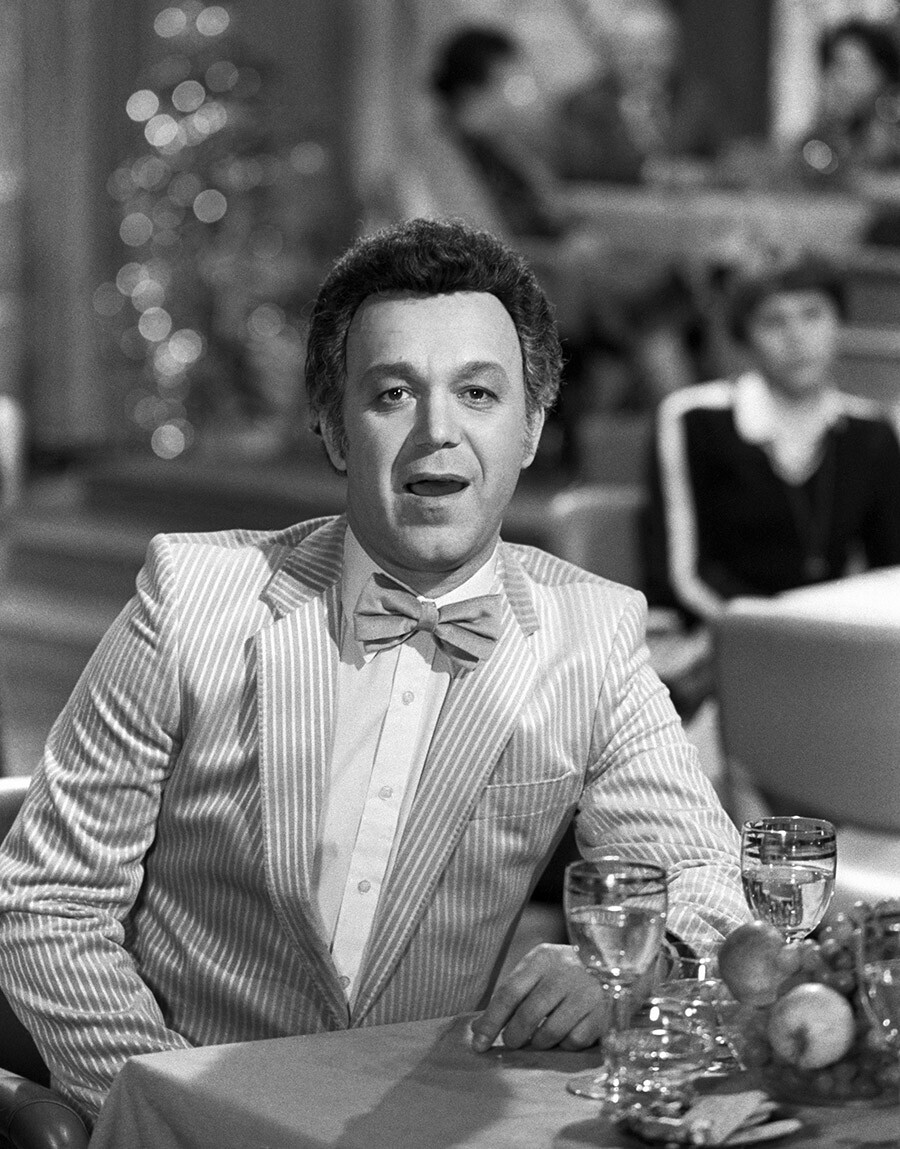
Another Soviet favorite, Iosif Kobzon (1937-2018) began performing in the late 1950s, with both military and lyrical songs. He gave concerts at all the All-Union construction sites, performed in Chernobyl and Afghanistan, doing so at his own wish. Kobzon also made the terrorists in 2002, who who were behind the ‘Nord-Ost’ siege in Moscow, release several hostages. In the last years of his life, he was not only involved with the stage, but also headed the State Duma Committee on Culture.
4. Alla Pugacheva
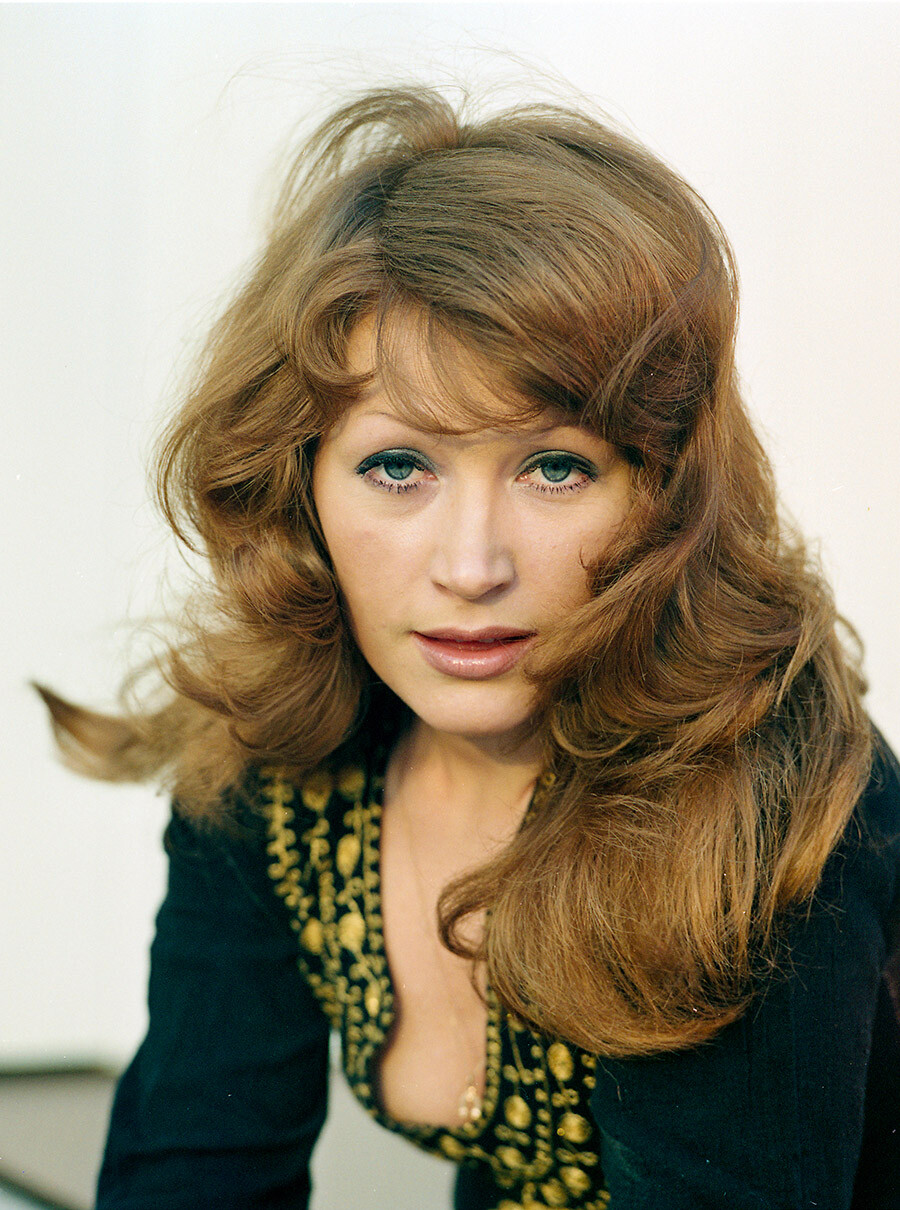
The living symbol of the Soviet stage is, of course, Alla Pugacheva (born 1949 in Moscow). She started making music in the 1960s, after graduating from a professional school. Then, she began to perform on national radio, television and made tours to the remotest corners of the USSR. She has a very low and deep voice - simply unlike anybody else! In 2010, Pugacheva stopped her touring, but she leads an active life on social networks. Her daughter Kristina Orbakaite, by the way, also became a popular singer in Russia. Read More…


