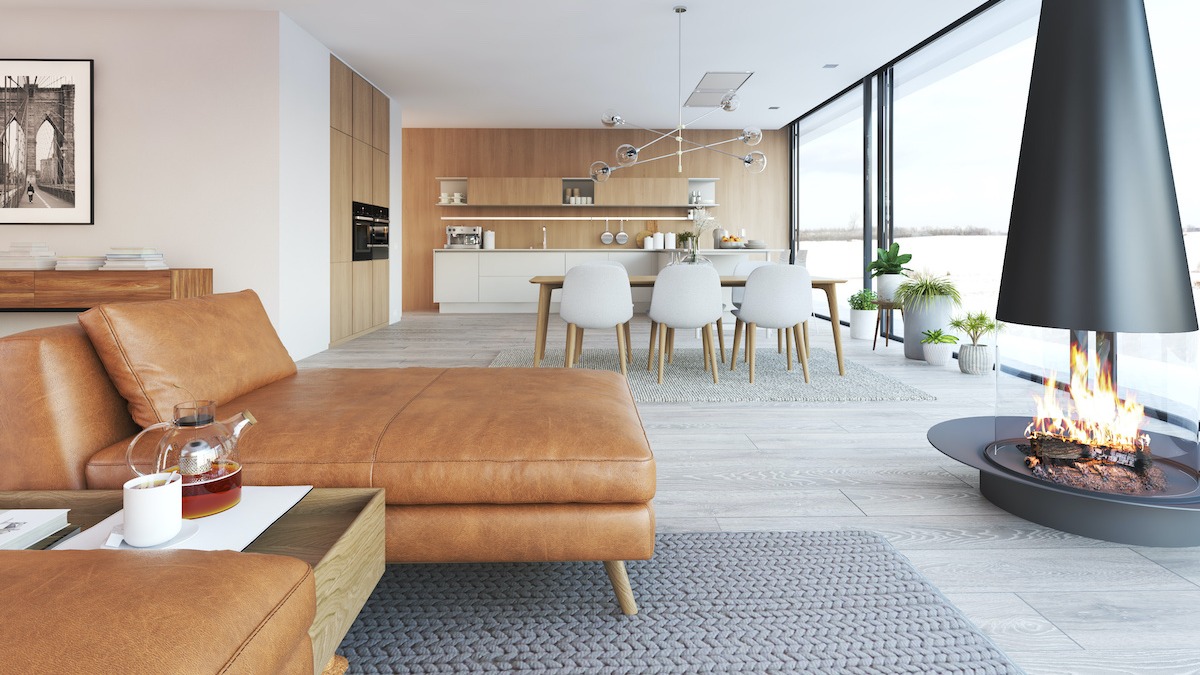
8 Captivating Elements of Scandinavian Interior Design
-
 Loading...
 - Richard Moore
- 27 Aug 2024
- 55 Views
- 0 Like
- 0 Comment
Scandinavian interior design has long been celebrated for its timeless elegance, functionality, and unparalleled coziness. Originating from the Nordic countries of Denmark, Norway, Sweden, Finland, and Iceland, this design philosophy has captured the hearts of design enthusiasts worldwide.
At the core of Scandinavian design lies a harmonious blend of simplicity, functionality, and a deep appreciation for the natural world. By embracing clean lines, muted color schemes, and the strategic use of natural materials, Scandinavian interiors exude a sense of warmth, calm, and effortless sophistication.
If you're eager to infuse your living space with the captivating essence of Scandinavian style, explore these five must-have features that define this captivating design approach.
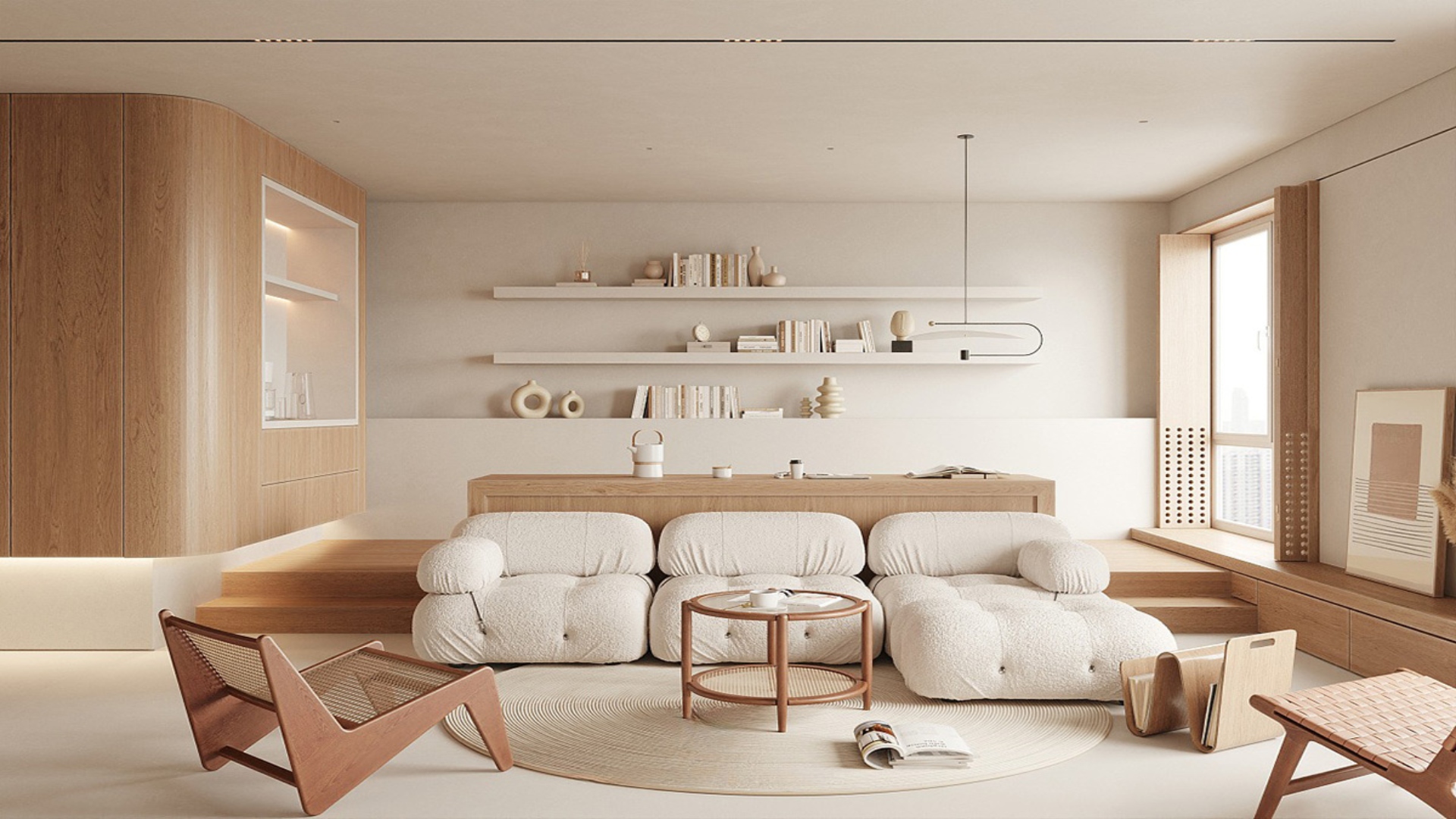
1. Minimalist Aesthetic
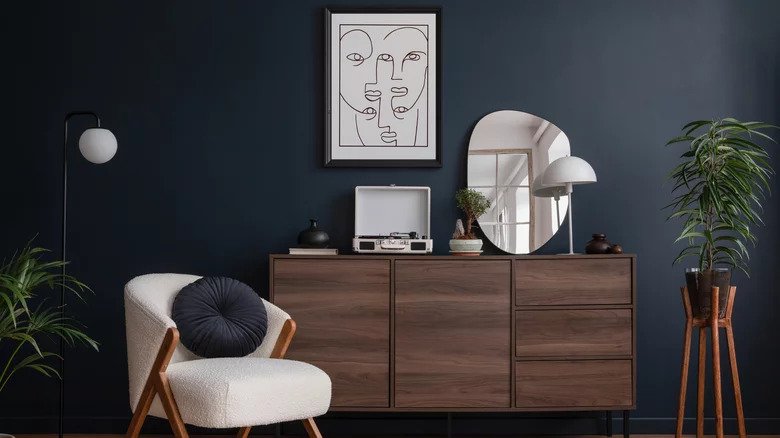
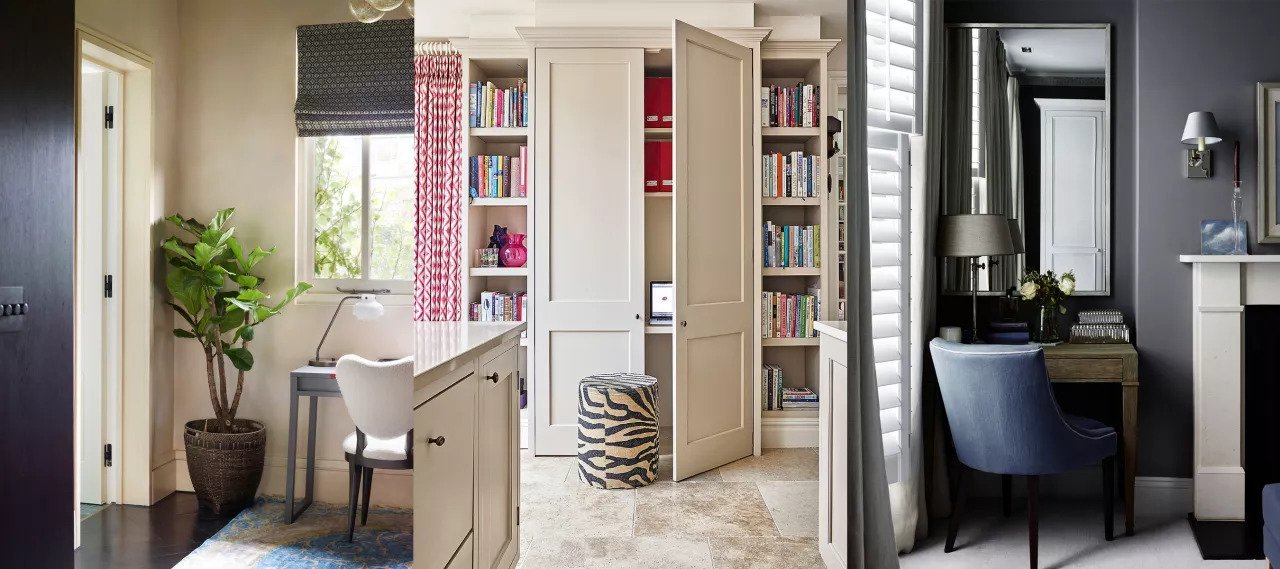
Scandinavian design is renowned for its minimalist aesthetic, which eschews clutter and emphasizes a pared-down, serene ambiance. This design philosophy celebrates the beauty of simplicity, with a focus on clean lines, uncluttered surfaces, and a deliberate use of negative space.
Furniture in Scandinavian interiors is often characterized by clean, geometric shapes, with a emphasis on functionality over ornamentation. The use of natural materials, such as wood, leather, and wool, further contributes to the overall minimalist feel, creating a harmonious and visually calming environment.

2. Natural Materials
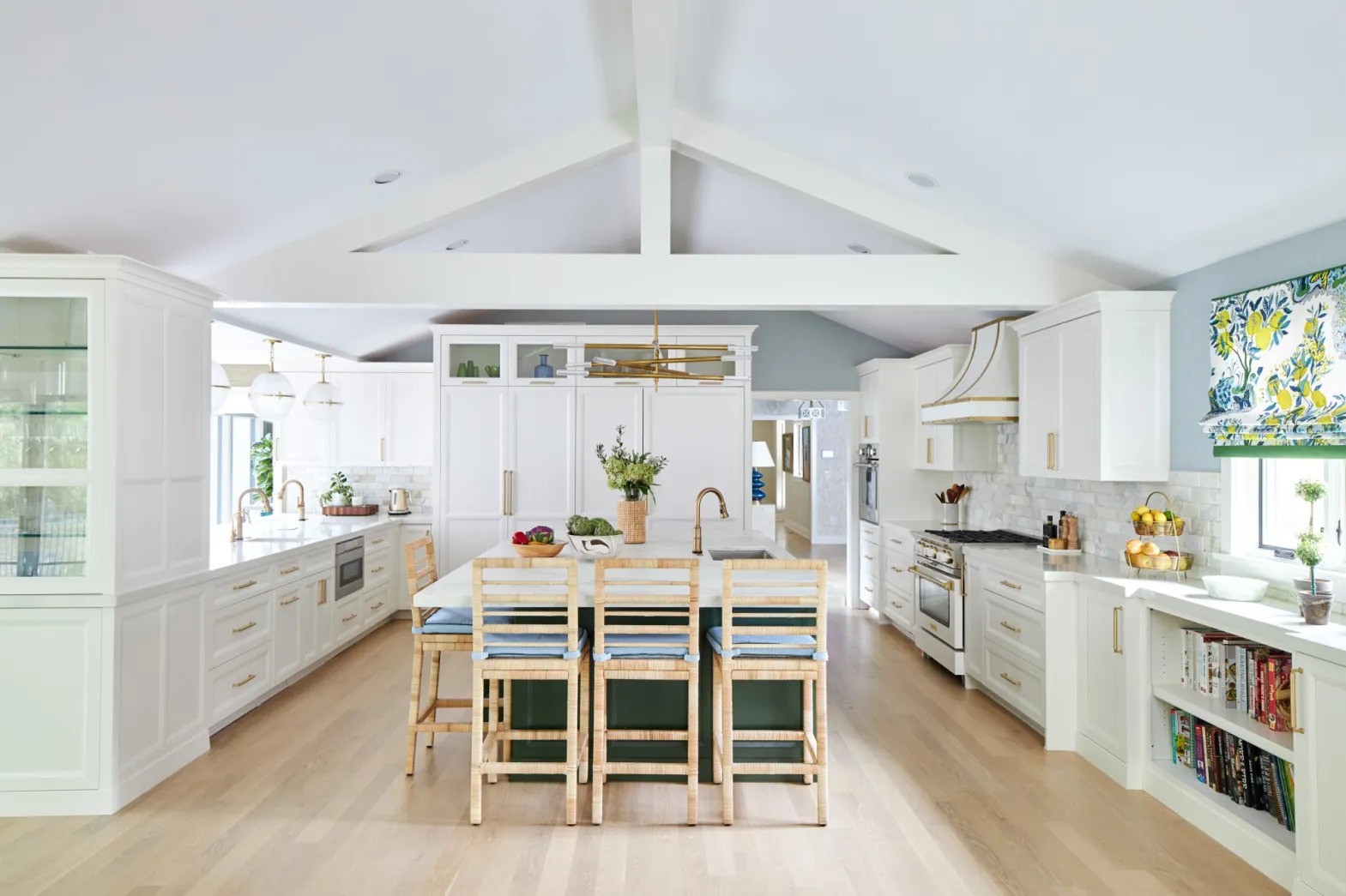
The Scandinavian design ethos places a strong emphasis on the use of natural materials, reflecting the region's deep connection with the great outdoors. Wood, in particular, is a ubiquitous element, used in everything from flooring and furniture to architectural details and decor.
Beyond wood, Scandinavian interiors often incorporate other natural materials, such as stone, ceramics, linen, and wool, to create a warm and inviting atmosphere. These materials not only add visual interest but also contribute to the overall sense of sustainability and environmental consciousness that is central to Scandinavian design.

3. Muted Color Palette
Scandinavian interiors are renowned for their serene and calming color palettes, which typically feature muted tones of white, gray, beige, and soft blues and greens. This subdued approach to color creates a sense of tranquility and allows the natural materials and clean lines to take center stage.
While bold pops of color are not typically associated with Scandinavian design, the occasional use of vibrant hues, such as mustard yellow or deep forest green, can be used to add depth and visual interest without overwhelming the space.
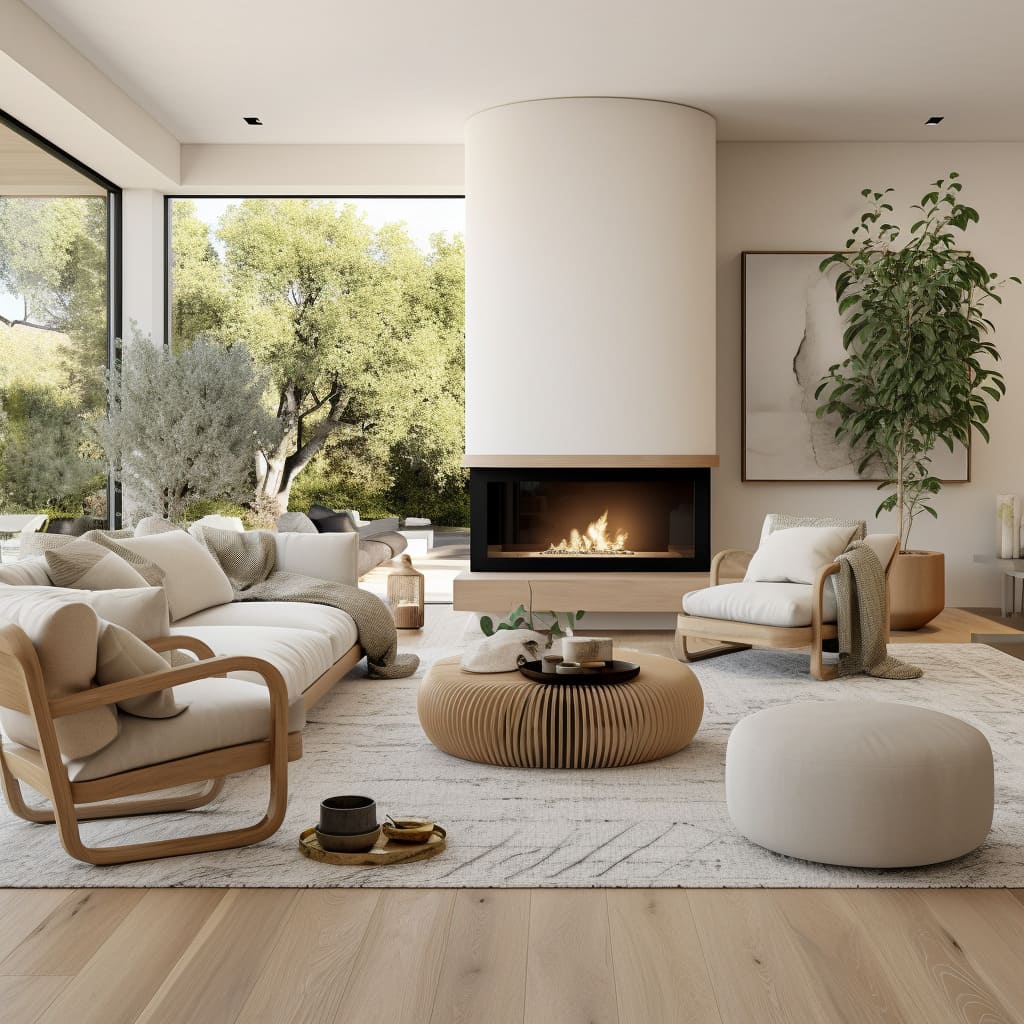
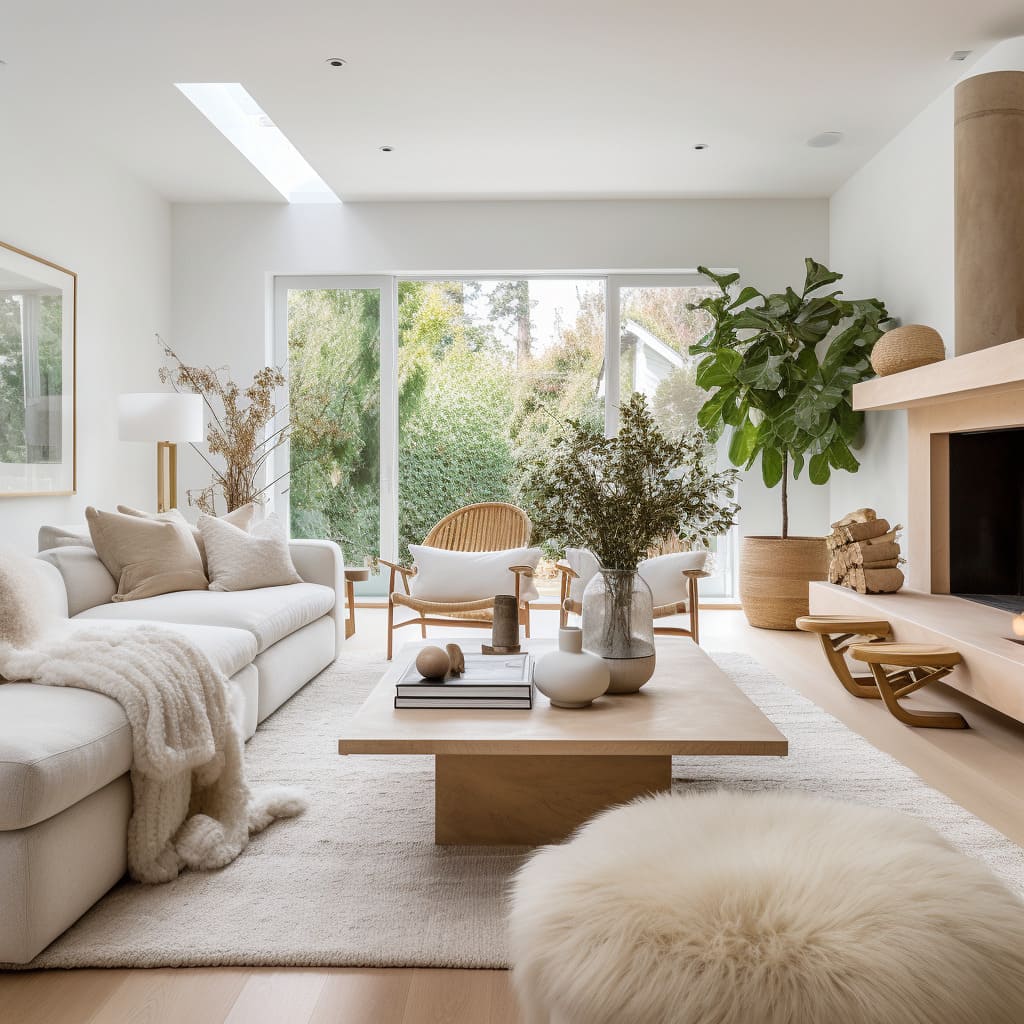
4. Abundant Natural Light
Scandinavian design places a strong emphasis on the strategic use of natural light, which is often in short supply during the long, dark winters of the Nordic region. Large windows, skylights, and the strategic placement of mirrors are all employed to maximize the flow of natural light throughout the interior.
This focus on natural illumination not only enhances the sense of spaciousness and openness but also contributes to the overall feeling of warmth and coziness that is so integral to Scandinavian design. The use of sheer, lightweight curtains and the avoidance of heavy draperies further emphasize the importance of natural light in these spaces.
5. Rugs
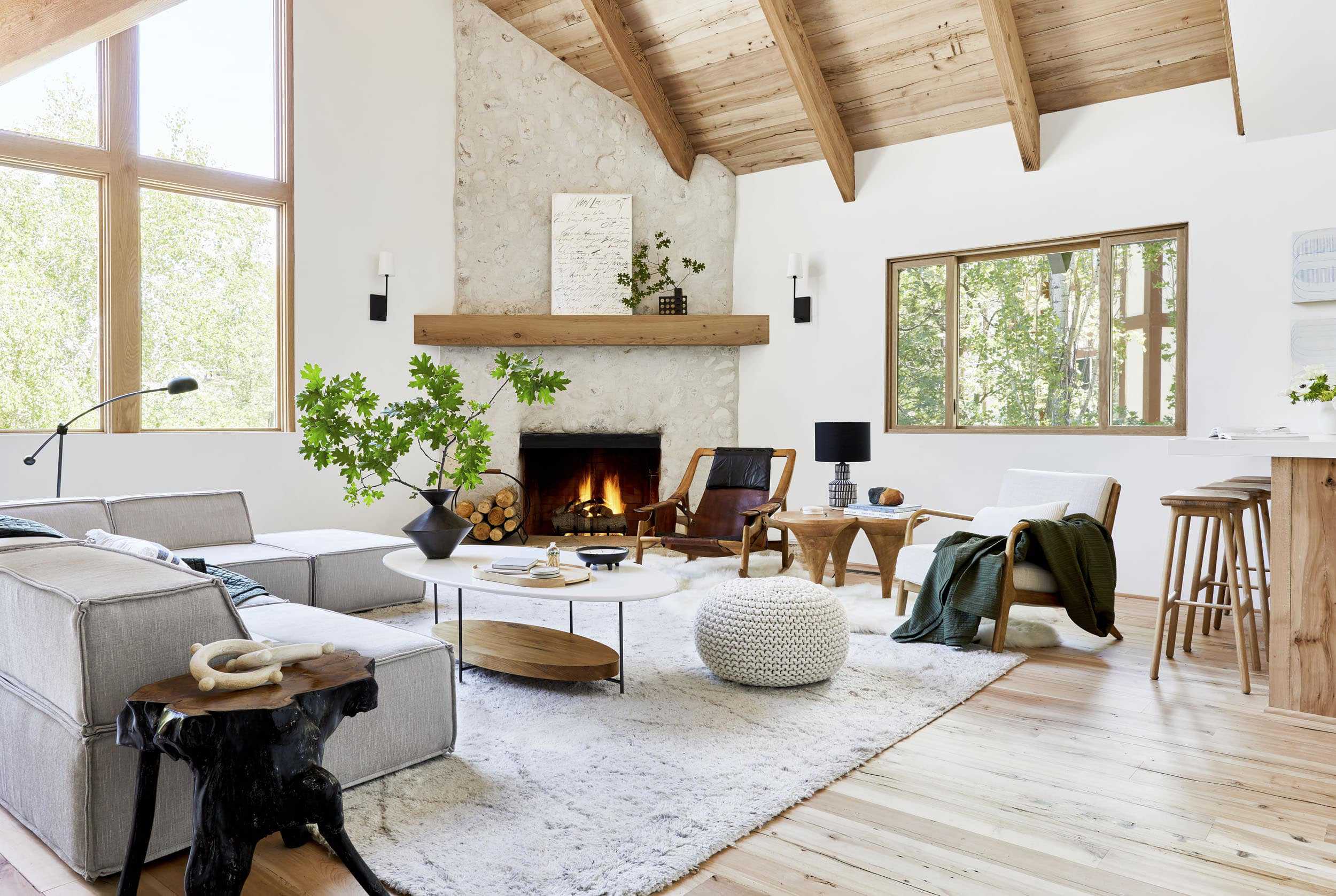
Rugs are an integral part of the Scandinavian design philosophy, serving as the foundation for a warm and inviting living space. Whether you opt for a plush, sheepskin rug or a sleek, geometric-patterned one, these floor coverings add an immediate sense of coziness and texture to a room. Scandinavian rugs often feature muted, earthy tones or subtle, Nordic-inspired motifs, seamlessly blending with the overall minimalist aesthetic.
6. Vintage Elements
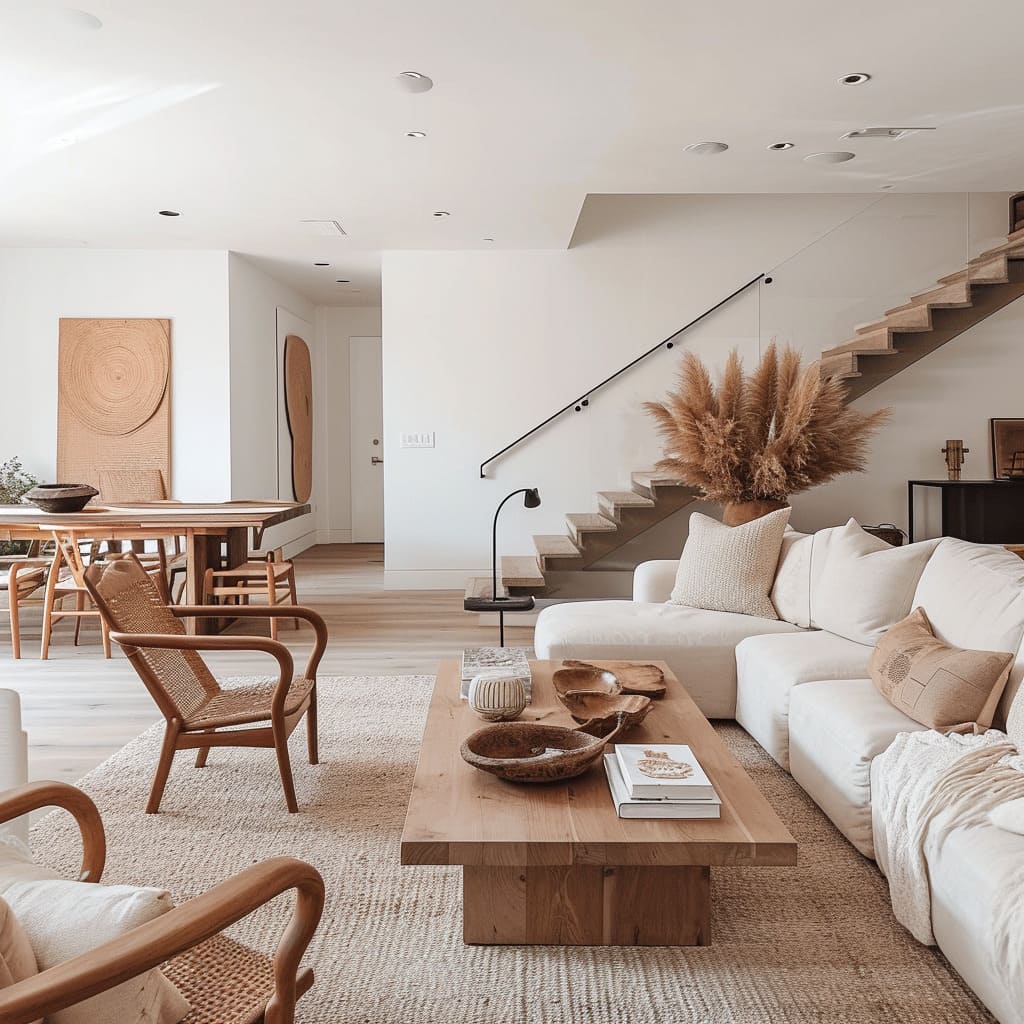
Scandinavian design is not solely about clean lines and modern simplicity; it also celebrates the beauty of vintage and antique pieces. Incorporating vintage furniture, lighting fixtures, or decorative accents can add depth, character, and a touch of nostalgia to your space. Look for mid-century modern pieces, antique wooden sideboards, or even vintage-inspired textiles to create a harmonious blend of old and new.

7. Boho Charm
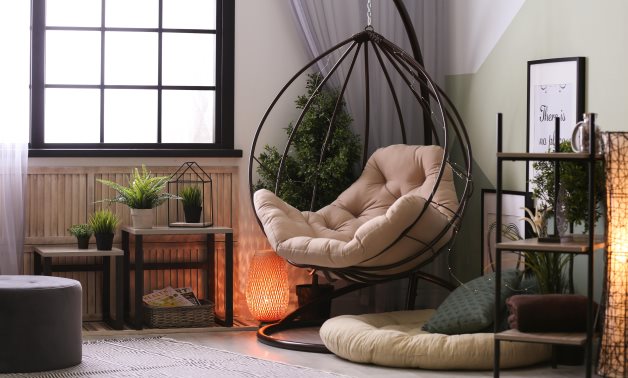
While Scandinavian design is often associated with a minimalist approach, it can also embrace a more eclectic, boho-chic vibe. Introducing elements like macramé wall hangings, woven baskets, or rattan furniture can add a touch of bohemian flair to your Nordic-inspired space. The key is to balance these bohemian touches with the clean lines and neutral tones that define the Scandinavian aesthetic.
8. Soft Textiles
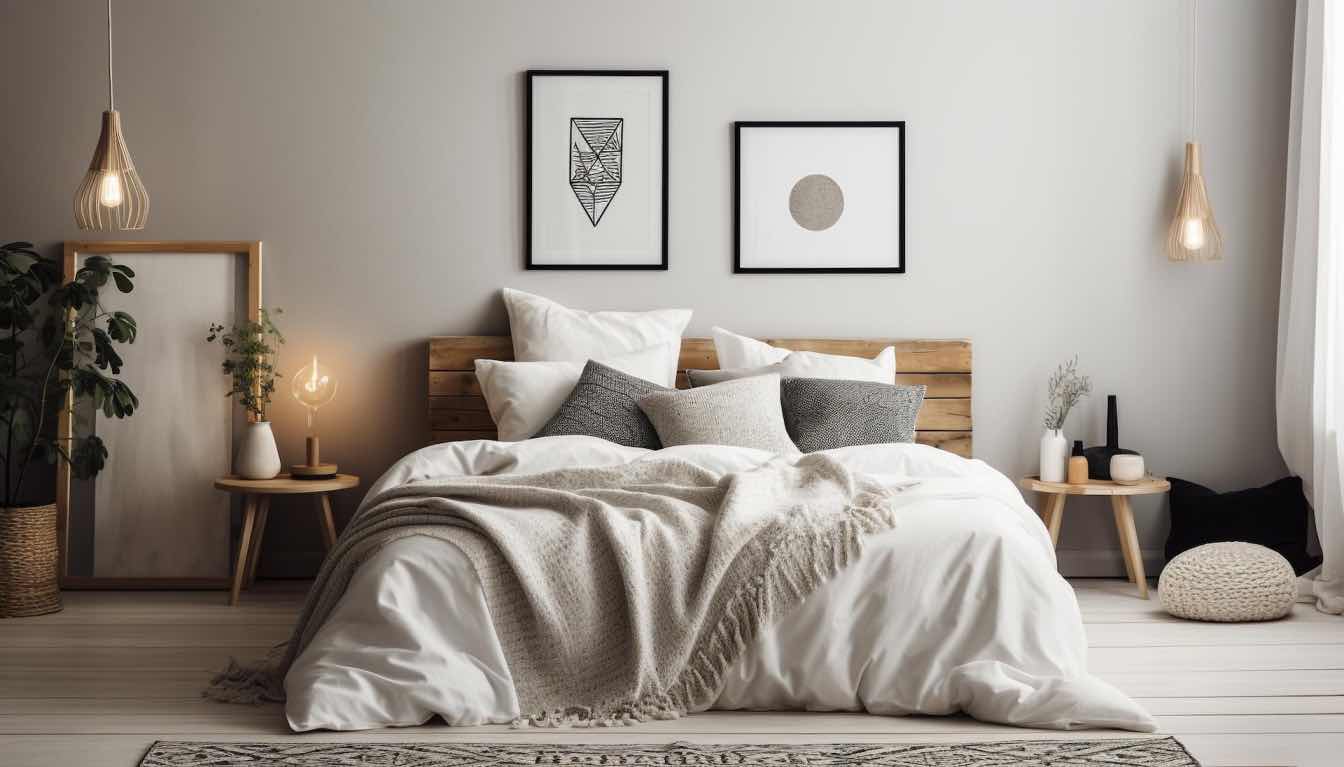
Soft, cozy textiles are essential for creating a Scandinavian-inspired living space. From plush throws and fluffy pillows to sumptuous curtains and textured blankets, these elements add a sense of warmth and invitingness to your home. Opt for natural fibers like wool, linen, or cotton, and choose muted, earthy tones or Nordic-inspired patterns to maintain the Scandinavian aesthetic.
Conclusion
Embracing the Scandinavian design philosophy can transform your living space into a serene and inviting oasis. By incorporating these 8 captivating features you can create a harmonious and visually stunning interior that embodies the essence of Nordic design. So, let your imagination soar and start infusing your home with the timeless charm of Scandinavian style.