9 Tips for Meditating When You're an Overthinker
-
 Loading...
 - Adam Kelly
- 30 May 2022
- 327 Views
- 0 Like
- 0 Comment
Although I’m a long-time meditator, I continually struggle to truly turn off my head. Enter my “monkey mind,” the intrusive, restless thoughts that derail me from finding mental calm.
Even when I set aside time for stillness, a riptide of thoughts frequently washes me out to a sea of worries, concerns, and — wait, am I making chicken or fish for dinner tonight?
Although the idea of quieting the mind and blissing out in meditation sounds wonderfully rejuvenating, actually achieving a meditative state can be an uphill battle for those of us with overactive thoughts.
If you’re an overthinker, you may have come to believe meditation isn’t for you. But according to experts, successful meditation is possible, even for people with busy minds.
Here are nine strategies to try.
Create a consistent schedule
As with any other good habit, practice makes perfect when it comes to calming our thoughts.
Choosing a regular time of day is a simple step toward training your brain that it’s time to chill.
“Consistent daily practice is a way to see the biggest mental health benefits from meditation,” says psychotherapist Haley Neidich, LCSW.
Of course, that doesn’t mean you have to be militant about scheduling your meditation session at 0600 hours every day.
“Meditation shouldn’t have rules. It should be intuitive and feel good to each individual practitioner,” says Neidich. “The best time of day to practice is the time of day you’ll actually stick to it.”
Create a meditative space
It’s not exactly easy to drop into a meditative state when surrounded by piles of laundry or six feet away from your whining toddler. Your physical environment matters, especially in the early stages of your meditation practice.
Consider curating a space in your home just for meditation. It doesn’t have to be big.
Perhaps this means designating a particular chair, lighting a candle with a pleasant scent, or sitting in front of a favorite image. Over time, you’ll come to associate this peaceful spot with clearing your head.
The more experience you gain, the more you’ll be able to tap into the serenity of a meditative state when you’re not at home on your comfy cushion.
“Meditation is a practical tool just as much as it is a spiritual tool,” says Neidich. “We need to be able to bring it with us wherever we go.”
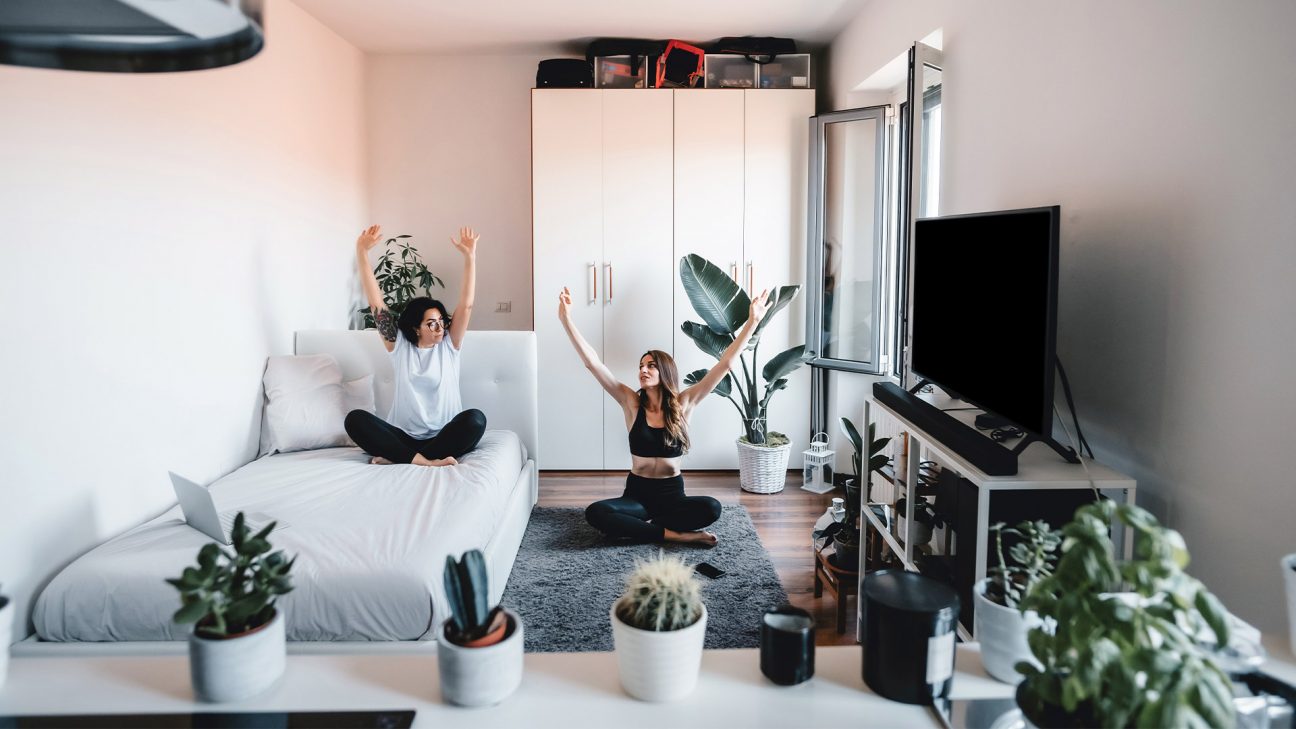
Meditate with others
Meditation may feel like a highly personal act, but there’s surprising strength in numbers.
“Collective energy is a powerful thing, and there’s no doubt meditating with a partner or in a class can amplify your experience,” says Los Angeles-based breathwork and meditation instructor Candice Fairoth.
Making meditation a buddy activity not only helps us get unstuck from our own thought loops, it also provides accountability we won’t get by going it alone.
“I believe stepping into a container with others helps pull us out of our minds and into the experience,” says Fairoth. “There’s also a desire to show up more fully, knowing we are part of something bigger than ourselves.”
Meditate virtually
Meditating virtually simply means incorporating immersive technology into your practice.
This may seem counterintuitive. Isn’t meditating all about unplugging? Stay with me on this one.
I’ve used a virtual reality headset for years to help me focus with amazing results. Strapping the sizable device to my face and selecting visuals like a peaceful forest or sunny beach effectively removes all external distractions, allowing me to truly quiet my mind.
If a VR headset isn’t in your budget, there are no-cost ways to meditate virtually, too.
Try watching a YouTube video of your favorite natural scenery, for example. Imagine yourself surrounded by the beauty on your screen.
Meditate to a recording
Don’t close that YouTube app just yet! Pre-recorded guided meditations might be the overthinker’s gateway to contemplative success.
Listening to a guiding voice provides the brain something to focus on, keeping intrusive thoughts at bay.
Even though a guided journey won’t bring your mind into total silence, it’s no less beneficial than silent meditation.
“Guided meditations are very powerful in achieving all the benefits one would look for in meditation,” says Fairoth. “This includes activation of the sympathetic nervous system, soothing anxiety, boosting mood, lowering blood pressure, decreasing heart rate, and decreasing the stress response.”
Select a video or recording that fits your own personal goals, such as a meditation for anxiety, better sleep, or greater focus.
There’s no shortage of options online and in meditation apps. Read More...