Home Upload Photo Upload Videos Write a Blog Analytics Messaging Streaming Create Adverts Creators Program
Bebuzee Afghanistan Bebuzee Albania Bebuzee Algeria Bebuzee Andorra Bebuzee Angola Bebuzee Antigua and Barbuda Bebuzee Argentina Bebuzee Armenia Bebuzee Australia Bebuzee Austria Bebuzee Azerbaijan Bebuzee Bahamas Bebuzee Bahrain Bebuzee Bangladesh Bebuzee Barbados Bebuzee Belarus Bebuzee Belgium Bebuzee Belize Bebuzee Benin Bebuzee Bhutan Bebuzee Bolivia Bebuzee Bosnia and Herzegovina Bebuzee Botswana Bebuzee Brazil Bebuzee Brunei Bebuzee Bulgaria Bebuzee Burkina Faso Bebuzee Burundi Bebuzee Cabo Verde Bebuzee Cambodia Bebuzee Cameroon Bebuzee Canada Bebuzee Central African Republic Bebuzee Chad Bebuzee Chile Bebuzee China Bebuzee Colombia Bebuzee Comoros Bebuzee Costa Rica Bebuzee Côte d'Ivoire Bebuzee Croatia Bebuzee Cuba Bebuzee Cyprus Bebuzee Czech Republic Bebuzee Democratic Republic of the Congo Bebuzee Denmark Bebuzee Djibouti Bebuzee Dominica Bebuzee Dominican Republic Bebuzee Ecuador Bebuzee Egypt Bebuzee El Salvador Bebuzee Equatorial Guinea Bebuzee Eritrea Bebuzee Estonia Bebuzee Eswatini Bebuzee Ethiopia Bebuzee Fiji Bebuzee Finland Bebuzee France Bebuzee Gabon Bebuzee Gambia Bebuzee Georgia Bebuzee Germany Bebuzee Ghana Bebuzee Greece Bebuzee Grenada Bebuzee Guatemala Bebuzee Guinea Bebuzee Guinea-Bissau Bebuzee Guyana Bebuzee Haiti Bebuzee Honduras Bebuzee Hong Kong Bebuzee Hungary Bebuzee Iceland Bebuzee India Bebuzee Indonesia Bebuzee Iran Bebuzee Iraq Bebuzee Ireland Bebuzee Israel Bebuzee Italy Bebuzee Jamaica Bebuzee Japan Bebuzee Jordan Bebuzee Kazakhstan Bebuzee Kenya Bebuzee Kiribati Bebuzee Kuwait Bebuzee Kyrgyzstan Bebuzee Laos Bebuzee Latvia Bebuzee Lebanon Bebuzee Lesotho Bebuzee Liberia Bebuzee Libya Bebuzee Liechtenstein Bebuzee Lithuania Bebuzee Luxembourg Bebuzee Madagascar Bebuzee Malawi Bebuzee Malaysia Bebuzee Maldives Bebuzee Mali Bebuzee Malta Bebuzee Marshall Islands Bebuzee Mauritania Bebuzee Mauritius Bebuzee Mexico Bebuzee Micronesia Bebuzee Moldova Bebuzee Monaco Bebuzee Mongolia Bebuzee Montenegro Bebuzee Morocco Bebuzee Mozambique Bebuzee Myanmar Bebuzee Namibia Bebuzee Nauru Bebuzee Nepal Bebuzee Netherlands Bebuzee New Zealand Bebuzee Nicaragua Bebuzee Niger Bebuzee Nigeria Bebuzee North Korea Bebuzee North Macedonia Bebuzee Norway Bebuzee Oman Bebuzee Pakistan Bebuzee Palau Bebuzee Panama Bebuzee Papua New Guinea Bebuzee Paraguay Bebuzee Peru Bebuzee Philippines Bebuzee Poland Bebuzee Portugal Bebuzee Qatar Bebuzee Republic of the Congo Bebuzee Romania Bebuzee Russia Bebuzee Rwanda Bebuzee Saint Kitts and Nevis Bebuzee Saint Lucia Bebuzee Saint Vincent and the Grenadines Bebuzee Samoa Bebuzee San Marino Bebuzee São Tomé and Príncipe Bebuzee Saudi Arabia Bebuzee Senegal Bebuzee Serbia Bebuzee Seychelles Bebuzee Sierra Leone Bebuzee Singapore Bebuzee Slovakia Bebuzee Slovenia Bebuzee Solomon Islands Bebuzee Somalia Bebuzee South Africa Bebuzee South Korea Bebuzee South Sudan Bebuzee Spain Bebuzee Sri Lanka Bebuzee Sudan Bebuzee Suriname Bebuzee Sweden Bebuzee Switzerland Bebuzee Syria Bebuzee Taiwan Bebuzee Tajikistan Bebuzee Tanzania Bebuzee Thailand Bebuzee Timor-Leste Bebuzee Togo Bebuzee Tonga Bebuzee Trinidad and Tobago Bebuzee Tunisia Bebuzee Turkey Bebuzee Turkmenistan Bebuzee Tuvalu Bebuzee Uganda Bebuzee Ukraine Bebuzee United Arab Emirates Bebuzee United Kingdom Bebuzee United States Bebuzee Uruguay Bebuzee Uzbekistan Bebuzee Vanuatu Bebuzee Venezuela Bebuzee Vietnam Bebuzee World Wide Bebuzee Yemen Bebuzee Zambia Bebuzee Zimbabwe
Blog Image

A newfound, oddly slow pulsar shouldn't emit radio waves — yet it does

The slowpoke pulsar sits in our galaxy, roughly 1,300 light-years away

Astronomers have added a new species to the neutron star zoo, showcasing the wide diversity among the compact magnetic remains of dead, once-massive stars.

The newfound highly magnetic pulsar has a surprisingly long rotation period, which is challenging the theoretical understanding of these objects, researchers report May 30 in Nature Astronomy. Dubbed PSR J0901-4046, this pulsar sweeps its lighthouse-like radio beam past Earth about every 76 seconds — three times slower than the previous record holder.

While it’s an oddball, some of this newfound pulsar’s characteristics are common among its relatives. That means this object may help astronomers better connect the evolutionary phases among mysterious species in the neutron star menagerie.

Astronomers know of many types of neutron stars. Each one is the compact object left over after a massive star’s explosive death, but their characteristics can vary. A pulsar is a neutron star that astronomers detect at a regular interval thanks to its cosmic alignment: The star’s strong magnetic field produces beams of radio waves emanating from near the star’s poles, and every time one of those beams sweeps across Earth, astronomers can see a radio pulse.

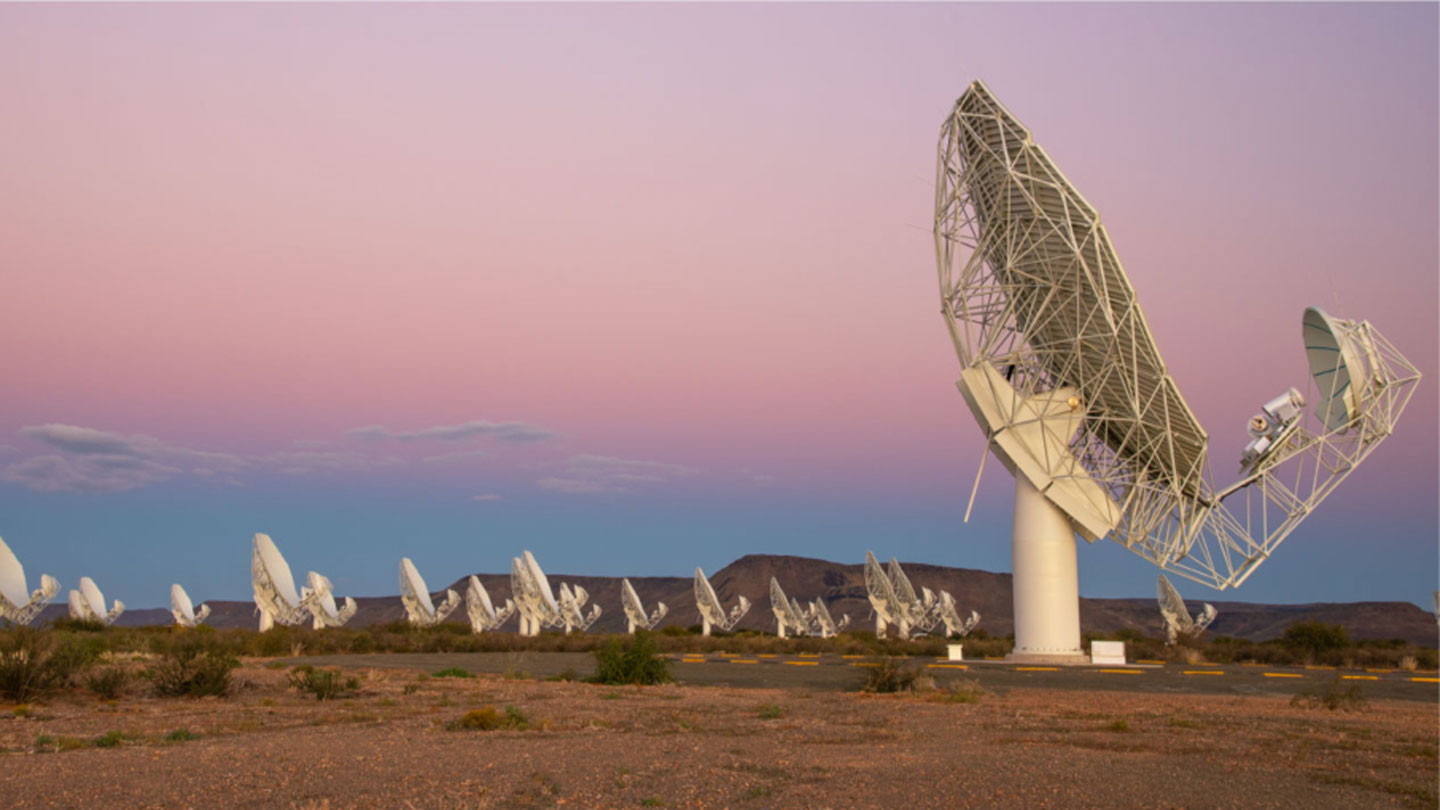
The newfound, slowpoke pulsar sits in our galaxy, roughly 1,300 light-years away. Astrophysicist Manisha Caleb of the University of Sydney in Australia and her colleagues found it in data from the MeerKAT radio telescope outside Carnarvon, South Africa.

Further observations with MeerKAT revealed not only the pulsar’s slow, steady radio beat — a measure of how fast it spins — but also another important detail: The rate at which the spin slows as the pulsar ages. And those two bits of info revealed something odd about this pulsar. According to theory, it should not be emitting radio waves. And yet, it is.

As neutron stars age, they lose energy and spin more slowly. According to calculations, “at some point, they’ve exhausted all their energy, and they cease to emit any sort of emission,” Caleb says. They’ve become dead to detectors.

A pulsar’s rotation period and the slowdown of its spin relates to the strength of its magnetic field, which accelerates subatomic particles streaming from the star and, in turn, generates radio waves. Any neutron stars spinning as slowly as PSR J0901-4046 are in this stellar “graveyard” and shouldn’t produce radio signals.

But “we just keep finding weirder and weirder pulsars that chip away at that understanding,” says astrophysicist Maura McLaughlin of West Virginia University in Morgantown, who wasn’t involved with this work.

The newfound pulsar could be its own unique species of neutron star. But in some ways, it also looks a bit familiar, Caleb says. She and her colleagues calculated the pulsar’s magnetic field from the rate its spin is slowing, and it’s incredibly strong, similar to magnetars (SN: 9/17/02). This hints that PSR J0901-4046 could be what’s known as a “quiescent magnetar,” which is a pulsar with very strong magnetic fields that occasionally emits brilliantly energetic bursts of X-rays or other radiation. “We’re going to need either X-ray emission or [ultraviolet] observations to confirm whether it is indeed a magnetar or a pulsar,” she says.

The discovery team still has additional observations to analyze. “We do have a truckload more data on it,” says astrophysicist Ian Heywood of the University of Oxford. The researchers are looking at how the object’s brightness is changing over time and whether its spin abruptly changes, or “glitches.” Read More...


Previous Post

800 crystallography-related papers appear to stem from one paper mill

Next Post

Interesting facts about the dwarf planet Pluto that will blow your mind

Comments