A Week in Croatian Politics - Corruption, Energy Prices and VAT
-
 Loading...
 - Sarah Williams
- 25 Apr 2023
- 60 Views
- 0 Like
- 0 Comment
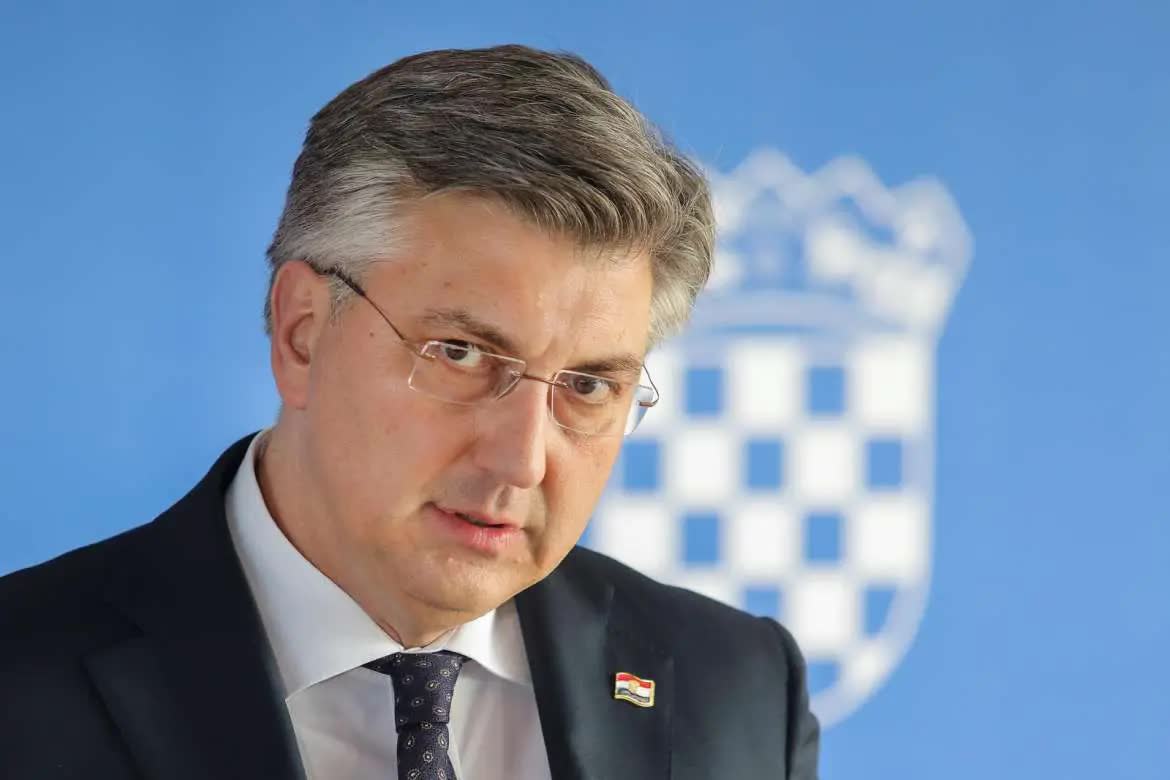
This week in Croatian politics, we've had a rather poor response to Plenkovic making it illegal to leak information from active investigations, Milanovic has claimed that people are drowning in corruption, and pensioners have had some relief from paying certain health insurance contributions. Oh, and there's been talk of price increases, again.
Plenkovic made leaking information an act punishable by law last month, and it's proved wholly unpopular
Index writes that the Promocija plus agency recently conducted some research for RTL regarding the announcement of changes to the Criminal Procedure Act and the Criminal Code. These alterations to the law would make the leaking of information a punishable act, and a survey was conducted from March the 1st to the 3rd on a sample of 1,300 respondents with a standard error of plus or minus 2.7 percent and a confidence level of 95 percent.
Most respondents have indicated that they don't support criminalising the leaking of information from investigations, which is the government's plan. The majority, i.e. 51.4 percent of respondents are against this idea, while 34.5 percent support it.
14.1 percent didn't know or didn't want to answer. Among those who are in favour of making the leaking of information a punishable act, as expected, are HDZ voters (55.6 percent of them support it), followed by those who vote for HNS (80.6 percent of them support it), those who would vote for the Suverenisti (64.5 percent) and Bandic's party (59.1 percent).
While the Prime Minister is making little to no effort to hide that he is bothered by the political damage that results from the disclosure of information from investigations, the respondents see this very reason as the main trigger for changing the law. 51.1 percent of respondents think this is the sole reason for the idea. At the same time, 13.1 percent of them think that the reason is the protection of the rights of all persons involved in investigations, and even the protection of the investigative procedure, which is what 10.1 percent of respondents think. Read More…