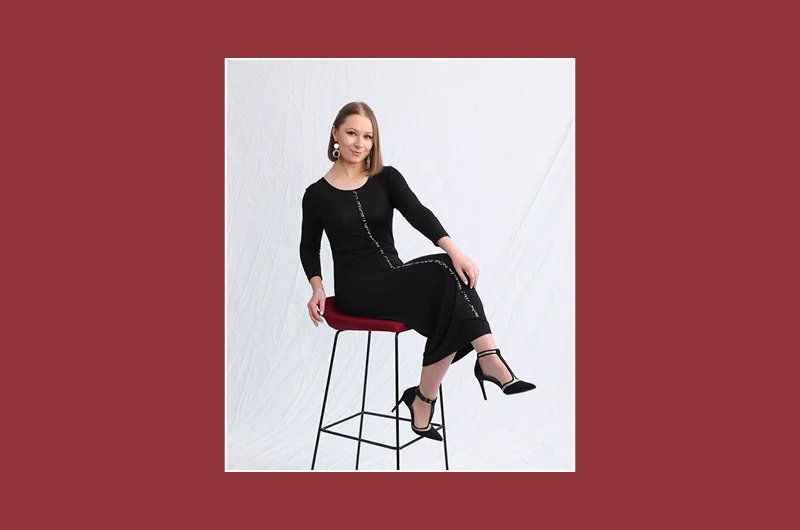
Adaptive Fashion is Making Personal Style More Accessible
-
 Loading...
 - Khepri Yousef
- 17 Mar 2023
- 65 Views
- 0 Like
- 0 Comment
“Fashion has the power to excite and delight disabled people”
Writer and podcaster Ardra Shephard wasn’t born disabled. She started using mobility aids in her thirties: first a cane, then a rollator, sometimes a wheelchair. Shephard searched for disabled style icons for a little fashion inspo that would accommodate her mobility needs—but couldn’t find any. “I was frustrated and angry, actually, to discover that disabled people were being erased from the world of fashion and beauty,” she says.
Complicating this issue, change rooms are often not accessible, and shopping trips need to be planned around which subway stops have an elevator. Canada is home to a few long-running adaptive fashion businesses, but many of their offerings skew more utilitarian than fashion-forward.
While still uncommon, a few local designers have started adaptive fashion lines to create more inclusive—and chic—clothing for everyone, and that’s worth celebrating in our often-ableist society. “Adaptive fashion in Canada has come a long way,” Shephard says. “It’s exciting to see brand innovation, and that, year over year, we seem to be getting better about including disabled people in ad campaigns and in media in general.”
The reigning queen of the adaptive fashion scene is Izzy Camilleri, who is known world-wide for her Iz Inc. and IZ Adaptive labels. She got her start designing adaptive clothing in 2005, when she created pieces for Toronto Star reporter Barbara Turnbull, who was paralyzed from the neck down and used a wheelchair. Four years later, she launched IZ Adaptive to concentrate on producing pieces such as jackets that split into two halves for easier dressing. Read More…