African Development Bank Launches Pioneering Energy-Efficiency Project in Senegal
-
 Loading...
 - Tuoyo Williams
- 14 Jan 2025
- 41 Views
- 0 Like
- 0 Comment
The African Development Bank (AfDB) has approved an €8.51 million loan for Senegal’s "Programme to Promote Efficient Lighting Lamps" (PPLEEF), marking a significant step forward in advancing energy efficiency in the country. This initiative represents the Bank’s first fully dedicated demand-side energy efficiency investment project, setting a new standard for sustainable development across Africa.
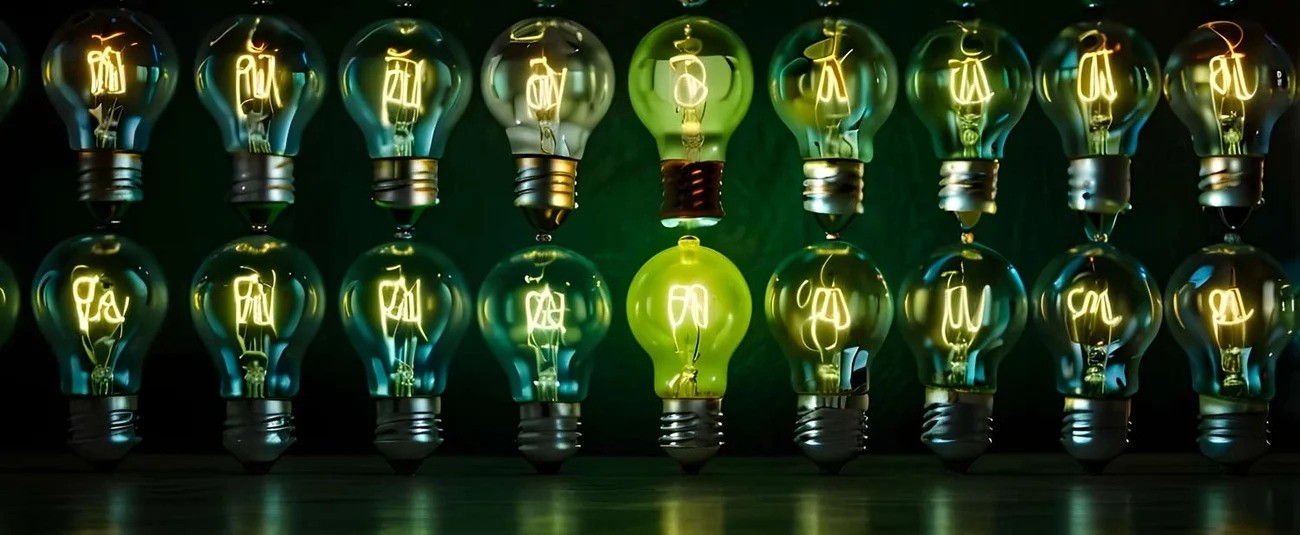
The PPLEEF initiative aims to transform energy usage in Senegal, benefiting nearly 700,000 households and 80,000 small businesses in the Dakar, Thiès, and Diourbel regions. By replacing outdated incandescent bulbs with modern LED lighting, the project is expected to deliver substantial energy savings, reduce electricity costs, and significantly cut carbon emissions. A key feature of the initiative is its innovative on-bill financing model, which allows consumers to repay the cost of the new lighting through their monthly energy savings, making the program accessible and affordable for all participants.
Jalel Chabchoub, Chief Energy Efficiency Officer in the Renewable and Energy Efficiency Department at the African Development Bank, emphasized the broader implications of the initiative. He stated, “The PPLEEF is a milestone for Senegal’s national commitment to sustainable development and universal energy access. This program will reduce energy demand and consumption during peak hours, and the on-bill financing approach will be used subsequently to introduce more efficient appliances. As the first phase of Senegal’s general lighting program, PPLEEF will pave the way for a more sustainable energy future not only in Senegal but across Africa.”
In addition to its immediate benefits for Senegal, the PPLEEF serves as a replicable and scalable model for other African nations. By reducing energy consumption, the program helps delay the need for costly investments in new power plants, particularly during peak demand periods.
Mame Coumba Ndiaye, General Director of Senegal’s Agence pour l'Économie et la Maîtrise de l'Énergie (AEME), noted the positive impact of the project on household and small business budgets, stating, “This project will have a positive impact on household and small business budgets by reducing their energy bills. It will relieve the grid with annual electricity savings of more than 189 GWh. These savings will be redirected to reinforce electricity availability and improve access for the population.”
From 2019 to 2024, the African Development Bank committed approximately $6 billion to energy projects across Africa. With the launch of the PPLEEF and the momentum of the ‘Mission 300’ initiative—jointly launched by the AfDB and the World Bank Group, along with other partners—Africa is making significant strides toward closing its energy access gap. These efforts highlight a growing commitment to sustainable development and energy equity across the continent.