AI Sparked an Idea That Could Improve Road Safety in Norway
-
 Loading...
 - Akila Kamal
- 03 Feb 2025
- 34 Views
- 0 Like
- 0 Comment
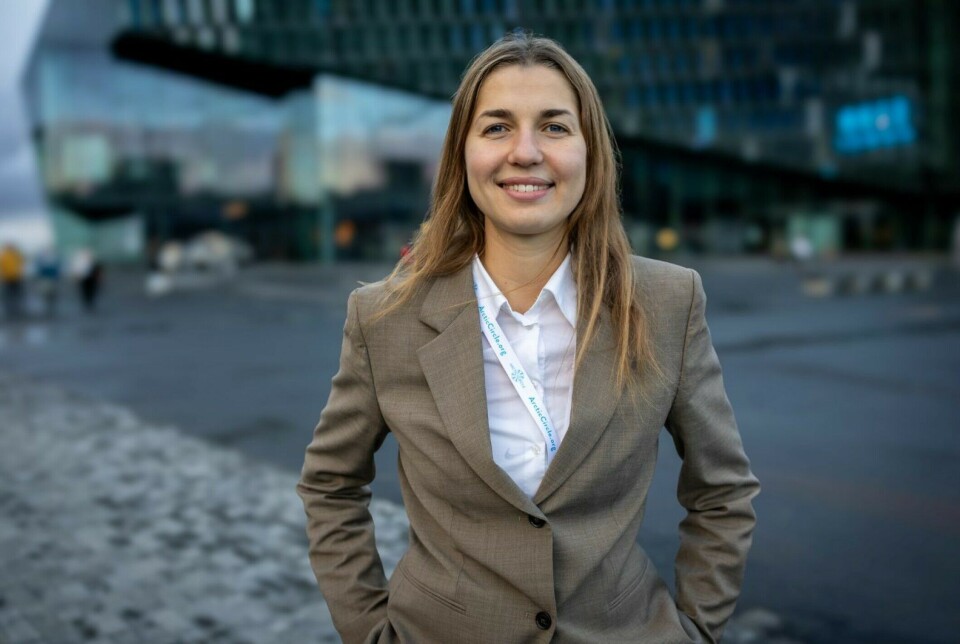
A university student's innovative approach to mapping road hazards, inspired by self-driving technology, has the potential to enhance road safety in Norway. Anastasiia Kolesnikova, a master's student in Global Management at Nord University, developed a systematic method for identifying road issues that could significantly benefit cyclists and pedestrians.
Kolesnikova's journey began during her third semester, where she participated in the EduSmart project, which encourages students to engage in real-world projects aimed at improving northern communities. This initiative is based at the High North Center at Nord University, where students are challenged to think creatively about technological solutions for local issues.
Her project involved working with self-driving buses in collaboration with Nordland County Municipality. Kolesnikova was excited to be part of the world's northernmost self-driving bus project, which operated in Bodø. Observing how these buses utilized advanced technology to map their surroundings inspired her to think about how similar methods could be applied to improve road safety for cyclists.
Kolesnikova devised a method to systematically map road systems using a GoPro camera mounted on her bike. This approach mirrored the data collection techniques used by autonomous vehicles. Her process involved:
- Cycling through the streets of Bodø while recording various road conditions.
- Documenting factors such as road surface quality, dangerous intersections, and abrupt changes in bike lane design.
“I used the same logic as the self-driving buses. They continuously gather data to navigate safely. I thought: Why not use the same systematic approach to make roads safer for cyclists?” Kolesnikova explained.
The data collected was then compiled into a digital map, highlighting areas needing improvement and those functioning well. “It’s about identifying patterns. Where are the critical points? Where do dangerous situations occur? With this method, we get a solid data foundation to make better decisions,” she added.
Kolesnikova's innovative mapping method caught the attention of the Norwegian Public Roads Administration. Her findings contributed to evaluating measures aimed at improving conditions for pedestrians and cyclists in Bodø. Following her presentation to the Bodø City Package board, two million NOK was allocated to implement safety measures based on her research.
She noted that there is interest in her method from other regions in Norway, stating, “I am in dialogue with the Norwegian Public Roads Administration and Innlandet County Municipality. They plan to adopt the method and require guidance.”
Ole Wiggo Nerva, from the Norwegian Public Roads Administration, confirmed the value of Kolesnikova's methodology. He explained that using filming and images provides a clear understanding of specific points, allowing for better assessment of complexities and opportunities for improvement. The data collected has been instrumental in prioritizing measures and estimating costs for road safety enhancements.
“This is a valuable tool that offers an overview of measures that can be implemented. The same methodology can be used in other municipalities aiming to improve school routes, cycling infrastructure, and traffic safety,” Nerva stated.
Kolesnikova's project, inspired by self-driving buses, has the potential to make Norwegian roads safer and could be adopted in various regions across the country. After completing her master’s degree, she worked at the Norwegian Public Roads Administration and is now a trainee at Nordland County Municipality, where she helps connect Northern Norway to the world.
Reflecting on her journey, Kolesnikova expressed gratitude for the opportunities provided by the EduSmart project. “I’ve never had so much fun at work, even with all the traveling. I feel like I have everything in this role. Now I can use all the knowledge I’ve gained,” she said.
To fellow students, she advises, “Get involved in activities outside of your studies. Participate in projects. Volunteer at conferences. It pays off!”
Anastasiia Kolesnikova's innovative approach to mapping road hazards demonstrates how technology and creativity can intersect to improve public safety. By applying insights gained from self-driving technology, she has developed a method that not only enhances road safety for cyclists and pedestrians in Bodø but also has the potential for broader application across Norway. Her journey serves as an inspiring example of how students can make a meaningful impact in their communities through practical engagement and innovative thinking.