Aid agencies raise alarm as solo children cross Chad border to flee Sudan fighting
-
 Loading...
 - Sarah Kwaka
- 14 Jun 2023
- 80 Views
- 0 Like
- 0 Comment
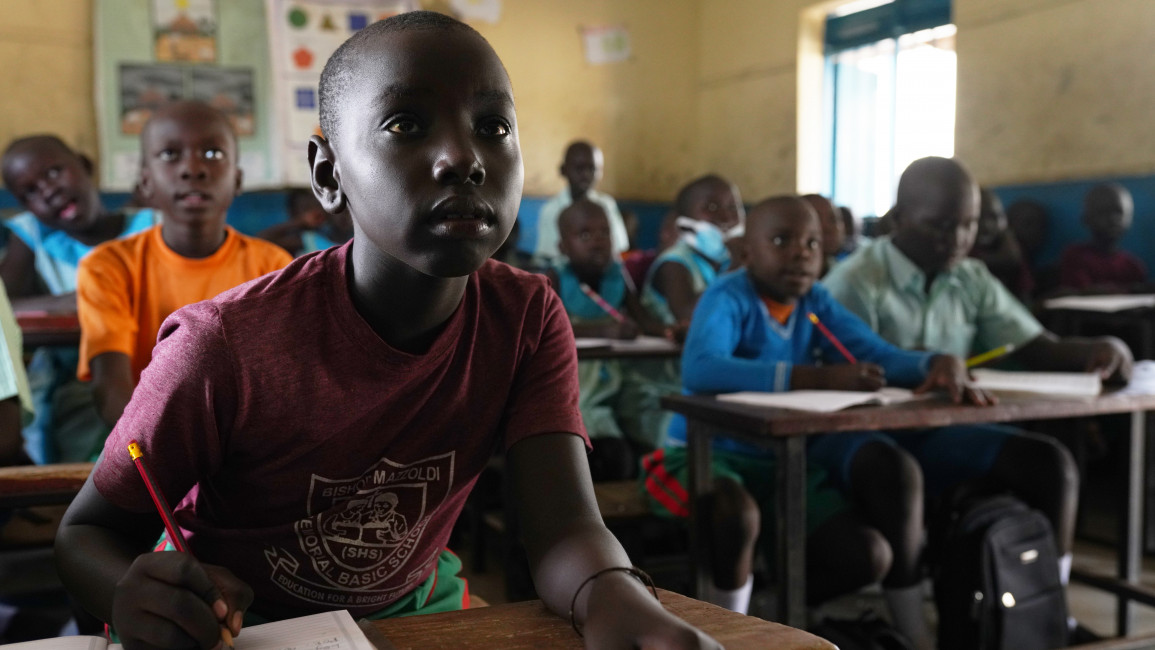
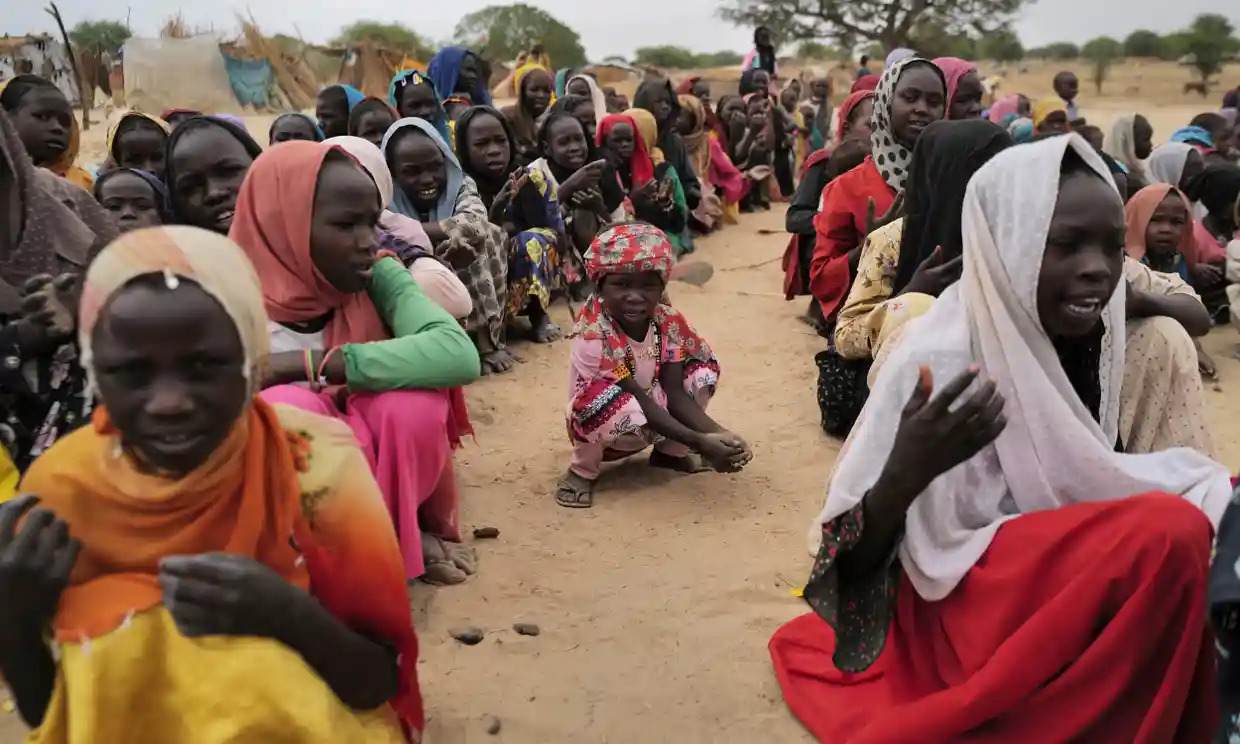
In recent weeks, hundreds of children without guardians have crossed the border from Sudan into Chad. These young ones are forced to undertake a challenging journey to seek safety due to family separations caused by ongoing conflicts. Humanitarian workers report a growing number of unaccompanied children arriving in Chad, a neighboring country that has already received over 100,000 refugees, with approximately 60% of them being under the age of 18. The influx of unaccompanied minors has been fueled by the recent surge in fighting, contrasting with the initial group of refugees who had proactively left Sudan before the conflict reached their villages and had some time to prepare for their displacement.
Jacques Boyer, the country director for the United Nations Children's Fund (UNICEF) in Chad, stated that in the early stages, there were fewer cases of unaccompanied or separated children as they were moving with their families. However, over the past three weeks, the number of unaccompanied children has significantly risen as they escape the relentless fighting and bombings. While 267 unaccompanied children have been identified so far, it is believed that this figure underestimates the actual number. Boyer affirms that there are likely many more unaccompanied children in need of assistance.
Boyer recounted a story of a 14-year-old boy from Darfur who got separated from his parents during an attack by unidentified armed individuals on their village. The boy explained that rumors of an impending attack had circulated, prompting the villagers to prepare for their escape. Unfortunately, while they were preparing to flee, the village was suddenly attacked, causing panic among the residents. The child ended up getting separated from his parents and followed his neighbors, crossing the border with them rather than his own family.
Once a lone child is identified, relief workers on the ground immediately initiate efforts to locate their families. However, this task presents significant challenges. In the case of the 14-year-old, Boyer mentioned that the neighbors and the child are currently attempting to find the whereabouts of the boy's biological parents. Nevertheless, the border between Chad and Sudan spans more than 1,000 kilometers, and even if the parents are in close proximity, having successfully crossed the border, the sheer number of refugees makes it difficult to pinpoint their exact location. Moreover, the unreliable phone network further complicates the reunification process.
Boyer explained that reuniting families becomes easier if they go to official camps where they can be properly registered in the refugee system. However, if parents choose to stay in host communities, the process will naturally take longer but remains possible. In any humanitarian crisis, unaccompanied minors are the most vulnerable among the vulnerable, facing risks such as child labor and sexual exploitation. To mitigate these dangers, the UN workers strive to keep them in the company of familiar adults, fostering a quasi-family environment.
In collaboration with the Chadian Red Cross, UNICEF is establishing "child-friendly spaces" where children under the age of 18 can receive psychological support. Considering the significant psychological trauma experienced by most of these children—having witnessed armed individuals and heard the sound of gunfire—such assistance is crucial. Additionally, concerns regarding unaccompanied children add to the already substantial worries that humanitarian workers bear for the tens of thousands of young individuals fleeing Sudan. Among child refugees, cases of measles have been identified, and over 350 children have been diagnosed with severe acute malnutrition, although the actual numbers are likely much higher.
Another pressing challenge for relief workers is the impending rainy season, which has already commenced in certain areas and is hindering access to the refugees. Jean-Marie Bihizi, the country manager for Chad at the Catholic Relief Services (CRS), explained that a CRS team had recently traveled to the Sila region in the southeast of Chad to assess the refugees' needs. Their plan included the distribution of food, mosquito nets, plastic sheeting, and water-purification tablets, but they were unable to proceed due to a flooded river that prevented them from reaching the site. Consequently, they were forced to return.