Alarm Bells Ring for Great Hammerheads After Scientists Sequence the Genomes of Endangered Sharks
-
 Loading...
 - Sara Juric
- 24 Jan 2023
- 82 Views
- 0 Like
- 0 Comment
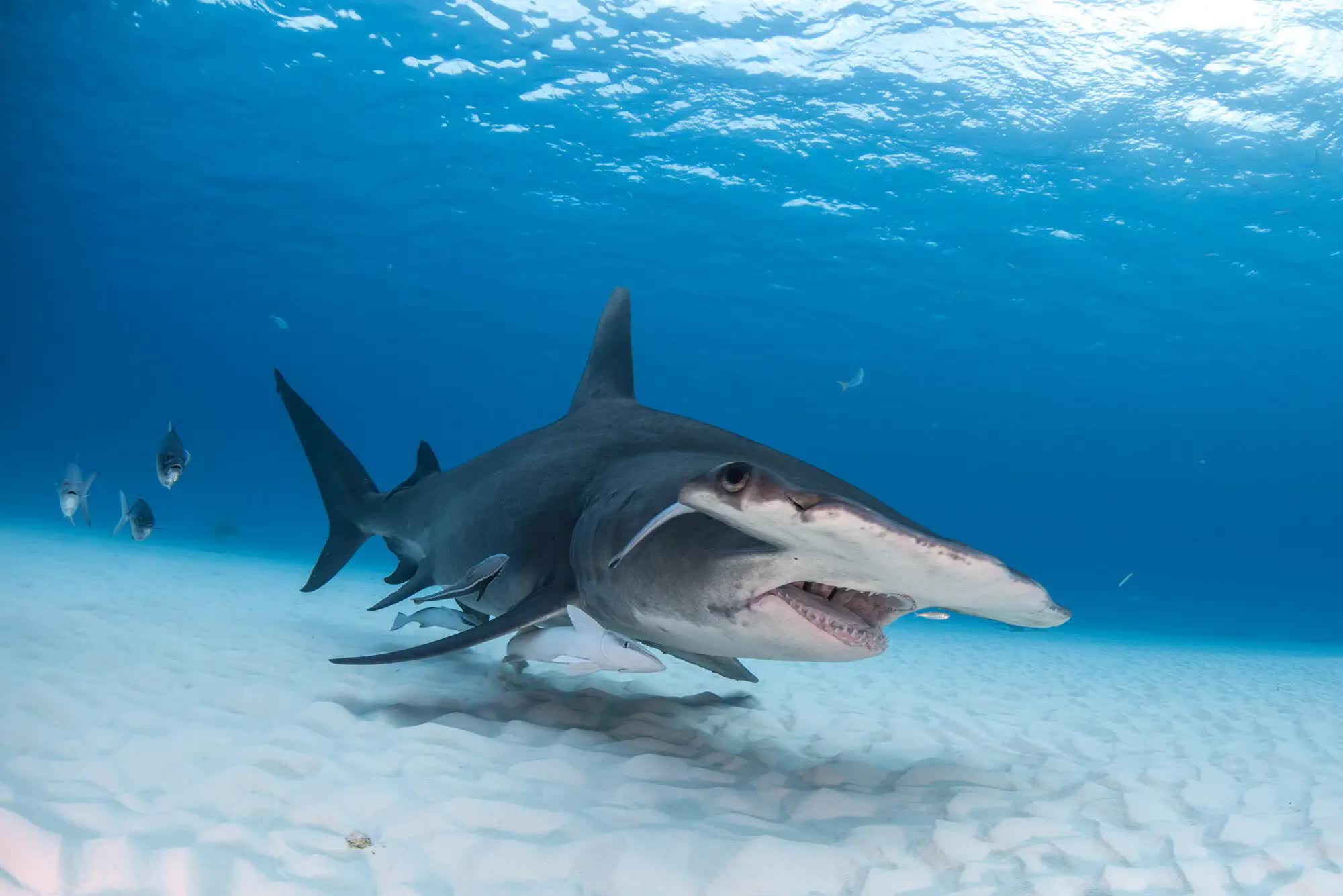
Scientists have sequenced the genomes of two endangered sharks. Low genetic diversity and signs of inbreeding ring alarm bells for great hammerheads, but there may be hope for shortfin makos that showed higher genetic diversity and limited inbreeding.
“With their whole genomes deciphered at high resolution we have a much better window into the evolutionary history of these endangered species,” says Professor Mahmood Shivji.
It’s a startling image that describes a milestone in conservation science for sharks. Professor Shivji, Professor Michael Stanhope and their collaborators have glanced back in history by sequencing to chromosome level the genomes (entire genetic blueprint) of great hammerhead and shortfin mako sharks. Their DNA timeline shows that their populations have declined substantially over 250,000 years. What the scientists have also found is worrying: great hammerhead sharks have low genetic variation, which makes them less resilient to adapting to our rapidly changing world. The species also shows signs of inbreeding, an issue that can lower the ability of its populations to survive. The shortfin mako shark, however, showed higher diversity and limited inbreeding, a hopeful glint in the gloomy conservation climate. Understanding change over such a large timescale can put into context the current conservation status of these endangered animals. The results can help direct us towards much more nuanced management strategies for sharks. Read More…