Algeria's Ambitious Plan to Boost Durum Wheat Production
-
 Loading...
 - Julia Gibson
- 11 Oct 2024
- 110 Views
- 0 Like
- 0 Comment
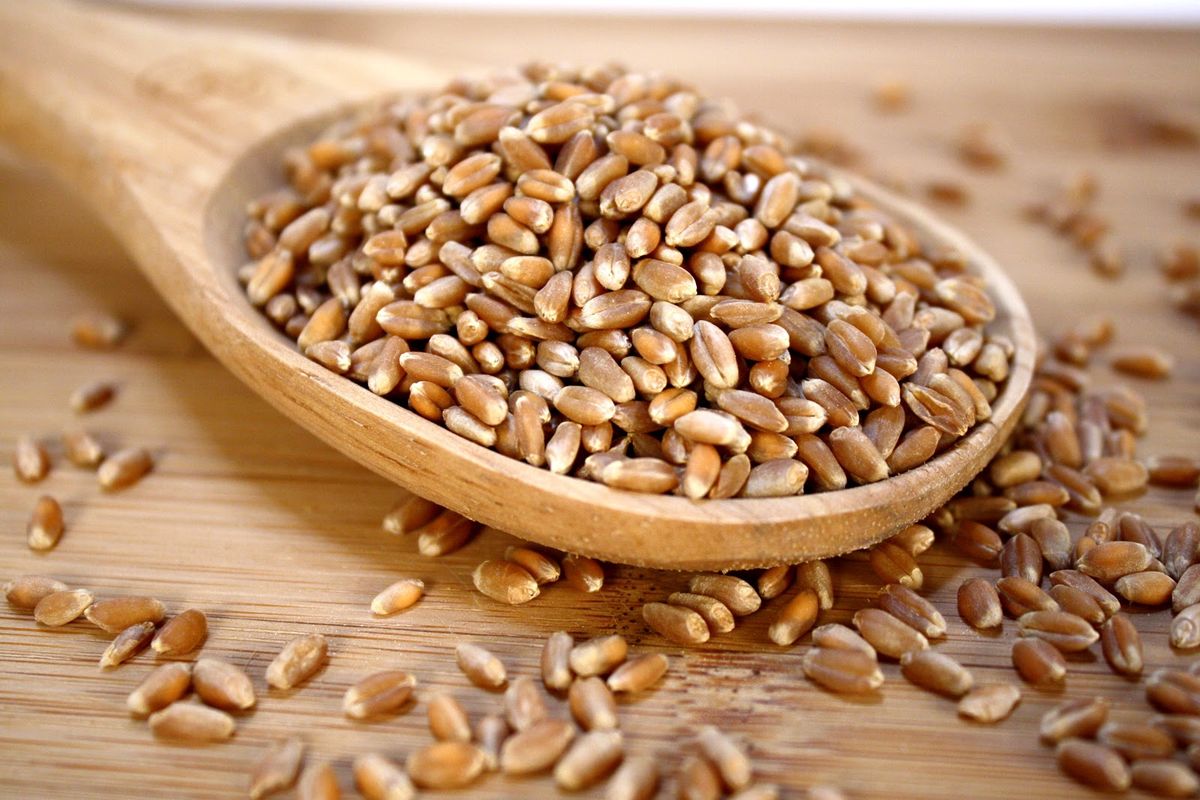
In a move to enhance food security and reduce dependency on imports, Algeria is aiming to achieve self-sufficiency in durum wheat production by 2025. This initiative comes in response to rising wheat imports and the need to stabilize domestic grain supplies.
Algeria, North Africa's largest wheat consumer, has seen a significant increase in durum wheat imports, rising from approximately 700,000 tons in the 2019-20 marketing year to nearly 2 million tons recently. This surge is attributed to poor harvests and efforts to bolster grain reserves. Overall, the country is projected to import 9 million tons of food grain in the 2024-25 marketing year, slightly down from the previous year but still above the five-year average.
To address this challenge, Algeria's agriculture minister, Youssef Chorfa, announced that 52% of the country's grain acreage for the 2024-25 marketing year will be dedicated to durum wheat. This shift in focus underscores the government's commitment to increasing domestic production and reducing reliance on imports.
Algeria's climate poses challenges for wheat production, particularly for bread wheat, which requires cooler temperatures. As a result, domestic production typically falls short of consumption needs, which are around 11.5 million tons annually. The European Union, Algeria's largest wheat supplier, provided nearly 4 million tons last year, accounting for about 65% of the country's total wheat imports.
To support its agricultural goals, Algeria can benefit from platforms like AgriSupp, developed by UkrAgroConsult. This multi-functional online platform offers market intelligence for grains and oilseeds, providing access to daily operational information, analytical reports, and historical data on key markets such as the Black Sea and Danube regions.
Algeria's push to increase durum wheat production is a critical step towards achieving greater food security and economic stability. By dedicating more acreage to durum wheat and leveraging market intelligence, Algeria aims to reduce its dependency on imports and strengthen its agricultural sector. As the country works towards its 2025 self-sufficiency target, continued investment in agricultural innovation and infrastructure will be essential to overcoming climatic and logistical challenges.