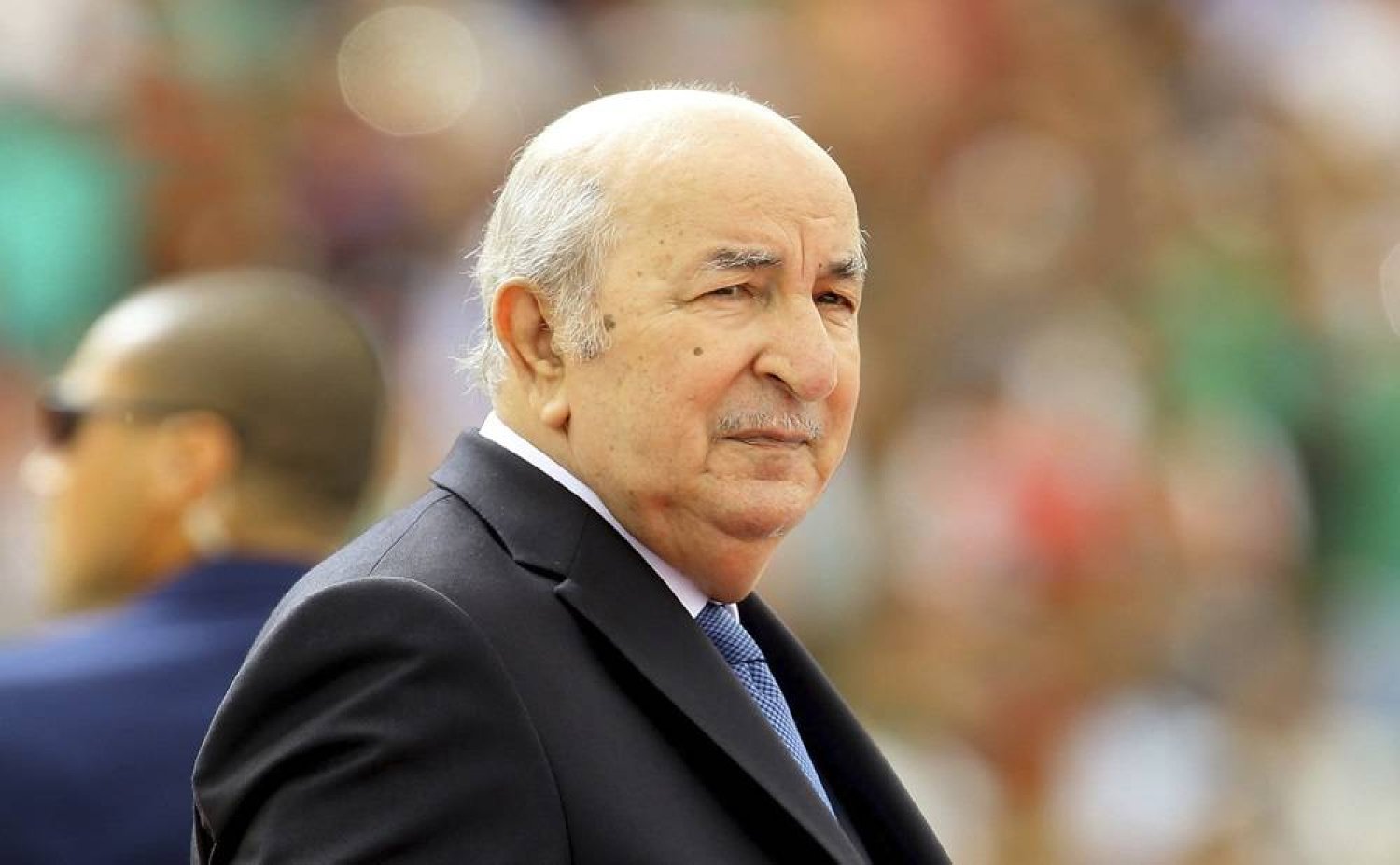
Algerian President Tebboune Announces Reelection Campaign
-
 Loading...
 - Isis Jamal
- 17 Jul 2024
- 169 Views
- 0 Like
- 0 Comment
Algeria's President Abdelmadjid Tebboune declared on Thursday his intention to seek a second term in office, five years after he ascended to power amid widespread protests. At 78, Tebboune revealed in a television interview that his decision was influenced by support from political parties and the youth.
“If the Algerian people want to vote for me, that’s fine, otherwise I’ll have accomplished my mission and whoever succeeds me will be welcome," Tebboune stated, highlighting his administration's achievements and the nation's security and stability.
Despite setting the election date for September 7th almost four months ago, Tebboune had been reticent about his plans. Political scientist Rachid Grime remarked that his candidacy was “an open secret,” stemming from dialogues among the political elite.
The announcement followed Tebboune's visit to Kabylia, a region known for its anti-government stance. During his visit, he inaugurated a new stadium and announced plans for a 500-bed hospital and a desalination plant. Several members of the Movement for the Autonomy of Kabylia remain imprisoned.
Out of 34 candidates declaring their intention to run, only three have thus far secured the necessary signatures to appear on the ballot: Youcef Aouchiche of the Socialist Forces Front, Abdellah Hassan Cherif of the Islamist Movement for Society and Peace, and Sadia Naghzi of the General Confederation of Algerian Enterprises. Candidates have until July 18th to collect the required 50,000 signatures from at least half of the country’s 58 regions.
A second term for Tebboune would likely consolidate the power of Algeria's political and military elite, distancing the country from the "Hirak" movement's aspirations. The movement's weekly protests led to the resignation of former President Abdelaziz Bouteflika in April 2019.
Tebboune, a former prime minister under Bouteflika, won the 2019 election, which saw low voter turnout due to boycotts and claims that it was orchestrated to perpetuate the old regime's control. Initially, Tebboune released some jailed protesters and journalists but later focused on establishing stability and combating corruption, simultaneously tightening his grip on power. Political activity and media freedoms have since declined, with journalists facing imprisonment and critical media outlets losing essential state advertising revenue.
Though Tebboune initially promised to diversify Algeria's gas-dependent economy, the nation remains reliant on exports to Europe, especially as the demand for non-Russian fuel has risen due to the war in Ukraine. Despite its wealth from gas reserves, Algeria faces occasional shortages of essential goods like cooking oil.
On the international stage, Algeria, an OPEC member, maintains significant ties with Russia, China, Türkiye, and European nations such as France and Italy. As a rotating member of the United Nations Security Council, Algeria has condemned Israel's actions during the Israel-Hamas conflict and maintains close political and economic relations with France, despite the historical legacy of colonialism. Tebboune is notable for being Algeria's first president who did not participate in the war for independence in 1962.