Home Upload Photo Upload Videos Write a Blog Analytics Messaging Streaming Create Adverts Creators Program
Bebuzee Afghanistan Bebuzee Albania Bebuzee Algeria Bebuzee Andorra Bebuzee Angola Bebuzee Antigua and Barbuda Bebuzee Argentina Bebuzee Armenia Bebuzee Australia Bebuzee Austria Bebuzee Azerbaijan Bebuzee Bahamas Bebuzee Bahrain Bebuzee Bangladesh Bebuzee Barbados Bebuzee Belarus Bebuzee Belgium Bebuzee Belize Bebuzee Benin Bebuzee Bhutan Bebuzee Bolivia Bebuzee Bosnia and Herzegovina Bebuzee Botswana Bebuzee Brazil Bebuzee Brunei Bebuzee Bulgaria Bebuzee Burkina Faso Bebuzee Burundi Bebuzee Cabo Verde Bebuzee Cambodia Bebuzee Cameroon Bebuzee Canada Bebuzee Central African Republic Bebuzee Chad Bebuzee Chile Bebuzee China Bebuzee Colombia Bebuzee Comoros Bebuzee Costa Rica Bebuzee Côte d'Ivoire Bebuzee Croatia Bebuzee Cuba Bebuzee Cyprus Bebuzee Czech Republic Bebuzee Democratic Republic of the Congo Bebuzee Denmark Bebuzee Djibouti Bebuzee Dominica Bebuzee Dominican Republic Bebuzee Ecuador Bebuzee Egypt Bebuzee El Salvador Bebuzee Equatorial Guinea Bebuzee Eritrea Bebuzee Estonia Bebuzee Eswatini Bebuzee Ethiopia Bebuzee Fiji Bebuzee Finland Bebuzee France Bebuzee Gabon Bebuzee Gambia Bebuzee Georgia Bebuzee Germany Bebuzee Ghana Bebuzee Greece Bebuzee Grenada Bebuzee Guatemala Bebuzee Guinea Bebuzee Guinea-Bissau Bebuzee Guyana Bebuzee Haiti Bebuzee Honduras Bebuzee Hong Kong Bebuzee Hungary Bebuzee Iceland Bebuzee India Bebuzee Indonesia Bebuzee Iran Bebuzee Iraq Bebuzee Ireland Bebuzee Israel Bebuzee Italy Bebuzee Jamaica Bebuzee Japan Bebuzee Jordan Bebuzee Kazakhstan Bebuzee Kenya Bebuzee Kiribati Bebuzee Kuwait Bebuzee Kyrgyzstan Bebuzee Laos Bebuzee Latvia Bebuzee Lebanon Bebuzee Lesotho Bebuzee Liberia Bebuzee Libya Bebuzee Liechtenstein Bebuzee Lithuania Bebuzee Luxembourg Bebuzee Madagascar Bebuzee Malawi Bebuzee Malaysia Bebuzee Maldives Bebuzee Mali Bebuzee Malta Bebuzee Marshall Islands Bebuzee Mauritania Bebuzee Mauritius Bebuzee Mexico Bebuzee Micronesia Bebuzee Moldova Bebuzee Monaco Bebuzee Mongolia Bebuzee Montenegro Bebuzee Morocco Bebuzee Mozambique Bebuzee Myanmar Bebuzee Namibia Bebuzee Nauru Bebuzee Nepal Bebuzee Netherlands Bebuzee New Zealand Bebuzee Nicaragua Bebuzee Niger Bebuzee Nigeria Bebuzee North Korea Bebuzee North Macedonia Bebuzee Norway Bebuzee Oman Bebuzee Pakistan Bebuzee Palau Bebuzee Panama Bebuzee Papua New Guinea Bebuzee Paraguay Bebuzee Peru Bebuzee Philippines Bebuzee Poland Bebuzee Portugal Bebuzee Qatar Bebuzee Republic of the Congo Bebuzee Romania Bebuzee Russia Bebuzee Rwanda Bebuzee Saint Kitts and Nevis Bebuzee Saint Lucia Bebuzee Saint Vincent and the Grenadines Bebuzee Samoa Bebuzee San Marino Bebuzee São Tomé and Príncipe Bebuzee Saudi Arabia Bebuzee Senegal Bebuzee Serbia Bebuzee Seychelles Bebuzee Sierra Leone Bebuzee Singapore Bebuzee Slovakia Bebuzee Slovenia Bebuzee Solomon Islands Bebuzee Somalia Bebuzee South Africa Bebuzee South Korea Bebuzee South Sudan Bebuzee Spain Bebuzee Sri Lanka Bebuzee Sudan Bebuzee Suriname Bebuzee Sweden Bebuzee Switzerland Bebuzee Syria Bebuzee Taiwan Bebuzee Tajikistan Bebuzee Tanzania Bebuzee Thailand Bebuzee Timor-Leste Bebuzee Togo Bebuzee Tonga Bebuzee Trinidad and Tobago Bebuzee Tunisia Bebuzee Turkey Bebuzee Turkmenistan Bebuzee Tuvalu Bebuzee Uganda Bebuzee Ukraine Bebuzee United Arab Emirates Bebuzee United Kingdom Bebuzee Uruguay Bebuzee Uzbekistan Bebuzee Vanuatu Bebuzee Venezuela Bebuzee Vietnam Bebuzee World Wide Bebuzee Yemen Bebuzee Zambia Bebuzee Zimbabwe
Blog Image

Alien honeybees could cause plant extinction

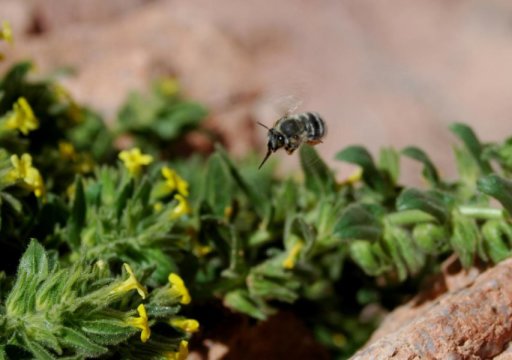
This is Anthophora visiting Alkanna. Credit: Dr Olivia Norfolk, Anglia Ruskin University

New research indicates that introduced 'alien' honeybees are competing for resources with native bees and threatening the survival of plants that rely on interactions with specific pollinators.

The study, published in the journal Diversity and Distributions, was led by Dr Olivia Norfolk of Anglia Ruskin University, who carried out the work alongside academics from the University of Nottingham.

The scientists monitored the interactions between plants and their pollinators in the mountainous region of St Katherine Protectorate in South Sinai, Egypt. The region supports many range-restricted endemic plants and pollinators whose future may be jeopardised by the recent introduction of alien honeybees.

The mountains are characterised by the presence of Bedouin orchard gardens which act as hotspots for biodiversity, providing valuable habitat for wild plants, pollinators and migratory birds. These gardens form the basis of traditional Bedouin livelihoods, but recently managed honeybee hives have been introduced to supplement their income.

The study found that introduced honeybees were extremely generalised in their foraging behaviour, visiting 55% of available plant species. However they made few visits to range-restricted plants and showed high levels of resource-overlap with range-restricted bees.

In this arid resource-limited environment, the presence of high numbers of super-generalist honeybees may pose a competitive threat to native bees, particularly in periods of drought. A previous study in California showed that high numbers of feral honeybees reduced bumblebee populations through intensified competition over floral resources.

The research also found that the range-restricted plants were significantly more specialised than wider-ranged counterparts. These plants showed a much higher dependence on range-restricted pollinators and received very few visits from the introduced honeybee.

The effects of floral competition, where honeybees out-compete more efficient native pollinators, could lead to a drop in native bee visitation and a subsequent decrease in their reproductive success.

Dr Norfolk, Lecturer in Animal and Environmental Biology at Anglia Ruskin University, said: "In this mountain system, range-restricted plants exhibited much higher levels of specialisation than their pollinators, suggesting that they may be more vulnerable to extinction.

"Range-restricted pollinators exhibited high resource overlap with the super-abundant honeybee, which could lead to resource competition. Even a small reduction in the population size of range-restricted bees could be detrimental for the reproductive success of range-restricted plants, which depend on low numbers of specialised interactions.

"The introduction of honeybee hives is a common strategy encouraged by charities and NGOs to supplement livelihoods in rural regions. Our research suggests that hives should be introduced with caution because super-generalist honeybees compete with native pollinators and can cause pollination risks for range-restricted plants.

"Any economic benefits associated with honey production must be balanced against the negative impacts to local wildlife, such as the potential extinction of endemic plants species of high conservation concern."

Previous Post

Shoals of sticklebacks differ in their collective personalities

Next Post

Rock art: Life-sized sculptures of dromedaries found in

Comments