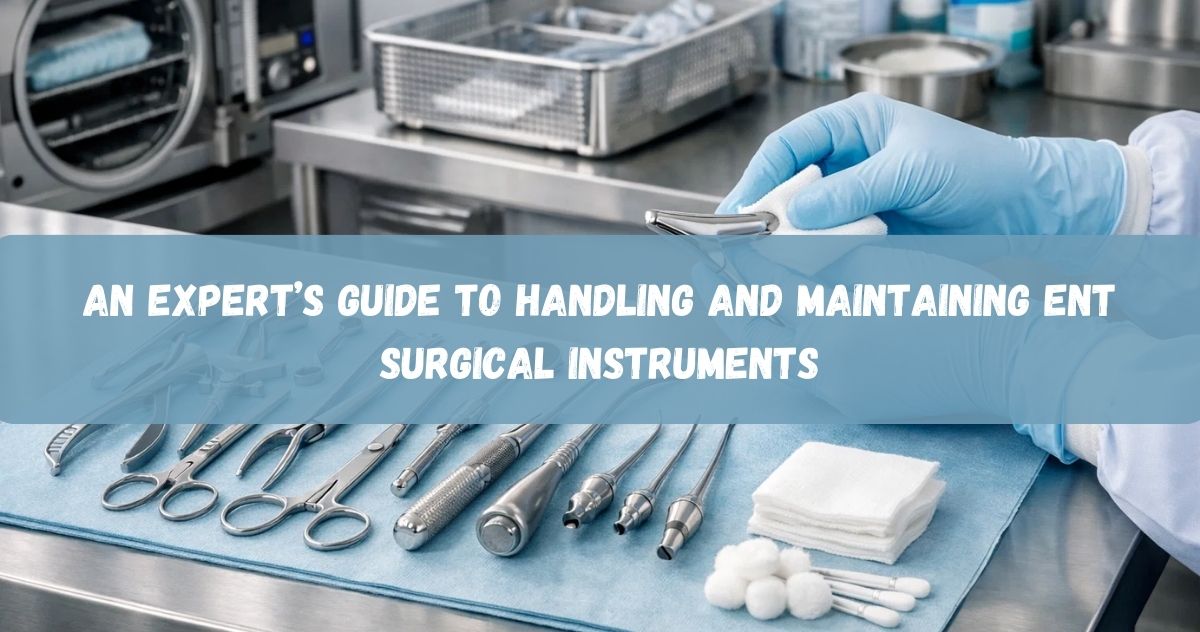
An Expert’s Guide to Handling and Maintaining ENT Surgical Instruments
-
 Loading...
 - Travis Bickle
- 19 Dec 2025
- 11 Views
- 0 Like
- 0 Comment
Learn expert tips for handling, cleaning, and maintaining ENT surgical instruments to ensure precision, safety, and long-lasting performance in every procedure.
In the dynamic field of otolaryngology, the precision and quality of Ent Surgery Instruments play a pivotal role in ensuring successful outcomes. These tools are specifically engineered to handle the delicate structures of the ear, nose, and throat, requiring exceptional care in both handling and maintenance. Proper upkeep not only extends the lifespan of these instruments but also safeguards patient safety and enhances surgical accuracy. For healthcare professionals, understanding how to correctly handle, clean, and store these instruments is a fundamental part of delivering effective surgical care.
The Importance of Proper Instrument Handling
Handling ENT instruments demands precision and attentiveness. These tools, often crafted from fine-grade stainless steel, are designed to perform delicate procedures involving microsurgery, endoscopy, and tissue dissection. Even minor mishandling can affect alignment, sharpness, or function.
Surgeons and healthcare staff must follow standard protocols when using or transferring these instruments. Tools should always be held by the handles, not the tips, and placed on non-slip surfaces to prevent damage. During surgeries, avoid stacking or overlapping instruments, as friction or collision can dull edges or misalign small components.
Instrument handling also extends to communication within the surgical team. Every instrument passed during a procedure should be done so with visual contact and verbal confirmation, ensuring a smooth and safe exchange that minimizes the risk of dropping or damaging sensitive tools.
Step-by-Step Cleaning and Decontamination Process
After surgery, proper cleaning is critical to remove biological debris and prevent corrosion or contamination. ENT instruments require a meticulous decontamination process due to their intricate designs and small working ends.
- Pre-Cleaning: Immediately after use, rinse instruments under warm water to prevent the drying of organic material. Use a soft brush or cleaning sponge for manual scrubbing—never abrasive pads that can scratch the surface.
- Enzymatic Soak: Immerse instruments in an enzymatic detergent to dissolve organic residues. Follow manufacturer-recommended concentration and temperature guidelines.
- Manual Cleaning: Use appropriate brushes or ultrasonic cleaners to access fine joints, hinges, and lumens. Avoid overexposure to harsh chemicals that can erode protective layers.
- Rinsing: Rinse thoroughly with distilled or deionized water to remove any detergent residues that could cause pitting or discoloration.
- Drying: Use lint-free cloths or medical-grade air blowers to ensure all moisture is removed, particularly in joints or hinges where water can lead to corrosion.
Following these steps helps maintain the structural integrity and performance of ENT surgical tools.
Inspection and Quality Checks
Before sterilization, instruments must undergo detailed inspection to ensure they are in optimal working condition. Look for visible defects such as corrosion spots, bent tips, loose joints, or blunt edges. Precision tools like forceps, scissors, or speculums should align perfectly and operate smoothly without resistance.
Use magnification when inspecting micro-instruments, as tiny deformities can compromise surgical precision. Establishing a routine quality control checklist ensures early detection of damage and prevents malfunction during critical procedures. Healthcare facilities should document inspection results to maintain accountability and traceability.
Sterilization Methods for ENT Instruments
Sterilization is essential for infection control and patient safety. ENT surgical instruments, being highly sensitive and intricate, require sterilization processes that preserve both function and finish.
- Autoclaving: This is the most common and effective method, using pressurized steam at high temperatures. However, instruments must be fully dry and free of residue before autoclaving to prevent rust formation.
- Low-Temperature Sterilization: For heat-sensitive or optical instruments, hydrogen peroxide plasma or ethylene oxide methods are recommended. These ensure sterilization without compromising delicate materials.
- Chemical Sterilants: Used for emergency cases when heat-based sterilization isn’t feasible. However, instruments must be thoroughly rinsed to remove chemical traces.
Always ensure sterilization trays are properly organized, with heavier instruments at the bottom and lighter ones above, to prevent bending or deformation during the cycle.
Safe Storage and Organization Practices
Proper storage ensures that ENT surgical instruments remain functional and sterile until their next use. Instruments should be stored in dry, temperature-controlled areas, preferably in dedicated cabinets or trays with soft linings to prevent contact damage.
Categorizing tools by function—such as diagnostic, endoscopic, or microsurgical—improves accessibility and reduces handling time. Use silicone holders or racks for delicate instruments, ensuring they remain immobilized during transport.
Periodic checks of storage conditions, including humidity control, help prevent corrosion and maintain sterility. Clearly labeled storage systems also enhance workflow efficiency in busy operating environments.
Preventing Corrosion and Mechanical Wear
Corrosion and wear are the most common issues affecting the longevity of surgical instruments. ENT tools, due to their precision engineering, are particularly susceptible if not maintained correctly. Avoid prolonged exposure to saline, blood, or detergents, and ensure instruments are completely dry before sterilization or storage.
Lubricate moving parts regularly using medical-grade lubricants to ensure smooth operation. Never use industrial oils or silicone sprays, as they can interfere with sterilization or cause contamination. Regular maintenance and lubrication schedules help prevent frictional damage and extend instrument life.
Training and Staff Awareness
Proper instrument care starts with well-trained personnel. Every member of the surgical team should be familiar with handling and maintenance protocols, including cleaning, inspection, and sterilization procedures. Conducting periodic training sessions helps ensure consistency and adherence to safety standards.
Hospitals and clinics can develop customized maintenance manuals outlining the specific handling needs of each type of instrument. This ensures uniformity across departments and reduces the risk of improper care or accidental damage.
The Role of Modern Technology in Instrument Maintenance
Today’s healthcare facilities benefit from automated cleaning systems, smart sterilization devices, and tracking software that simplifies maintenance workflows. Digital tracking allows staff to monitor the usage frequency and maintenance history of each instrument, reducing errors and improving accountability.
Ultrasonic cleaning systems are especially effective for ENT instruments, as they use vibration-based technology to dislodge microscopic particles from hard-to-reach areas. These technological advancements make maintenance more precise and less labor-intensive, allowing for longer instrument lifespans and improved surgical readiness.
Ensuring Long-Term Reliability and Cross-Specialty Care
The principles of instrument care extend beyond ENT procedures. Proper maintenance practices benefit all surgical disciplines by ensuring tools remain safe, sterile, and functional. Whether used in otolaryngology, ophthalmology, or orthopedics, precision instruments require consistent care and oversight.
In the broader surgical ecosystem, instruments’ reliability directly influences patient recovery rates and procedural success. Facilities that invest in systematic maintenance not only protect their assets but also strengthen their reputation for surgical excellence.
Cross-Disciplinary Instrument Care: Lessons from Orthopedics
While ENT tools are specialized for delicate structures, the broader concept of maintenance is equally crucial across surgical departments. For instance, the durability and precision of Orthopedic Surgical Instruments also depend on rigorous cleaning, sterilization, and inspection routines. Similar to ENT tools, orthopedic devices must withstand repeated sterilization cycles while maintaining mechanical accuracy.
By applying a shared standard of care across specialties, healthcare professionals can ensure that all surgical equipment remains dependable, safe, and ready for use at any moment. This commitment to excellence not only enhances surgical precision but also builds a foundation of trust between surgeons, staff, and patients.


