Home Upload Photo Upload Videos Write a Blog Analytics Messaging Streaming Create Adverts Creators Program
Bebuzee Afghanistan Bebuzee Albania Bebuzee Algeria Bebuzee Andorra Bebuzee Angola Bebuzee Antigua and Barbuda Bebuzee Argentina Bebuzee Armenia Bebuzee Australia Bebuzee Austria Bebuzee Azerbaijan Bebuzee Bahamas Bebuzee Bahrain Bebuzee Bangladesh Bebuzee Barbados Bebuzee Belarus Bebuzee Belgium Bebuzee Belize Bebuzee Benin Bebuzee Bhutan Bebuzee Bolivia Bebuzee Bosnia and Herzegovina Bebuzee Botswana Bebuzee Brazil Bebuzee Brunei Bebuzee Bulgaria Bebuzee Burkina Faso Bebuzee Burundi Bebuzee Cabo Verde Bebuzee Cambodia Bebuzee Cameroon Bebuzee Canada Bebuzee Central African Republic Bebuzee Chad Bebuzee Chile Bebuzee China Bebuzee Colombia Bebuzee Comoros Bebuzee Costa Rica Bebuzee Côte d'Ivoire Bebuzee Croatia Bebuzee Cuba Bebuzee Cyprus Bebuzee Czech Republic Bebuzee Democratic Republic of the Congo Bebuzee Denmark Bebuzee Djibouti Bebuzee Dominica Bebuzee Dominican Republic Bebuzee Ecuador Bebuzee Egypt Bebuzee El Salvador Bebuzee Equatorial Guinea Bebuzee Eritrea Bebuzee Estonia Bebuzee Eswatini Bebuzee Ethiopia Bebuzee Fiji Bebuzee Finland Bebuzee France Bebuzee Gabon Bebuzee Gambia Bebuzee Georgia Bebuzee Germany Bebuzee Ghana Bebuzee Greece Bebuzee Grenada Bebuzee Guatemala Bebuzee Guinea Bebuzee Guinea-Bissau Bebuzee Guyana Bebuzee Haiti Bebuzee Honduras Bebuzee Hong Kong Bebuzee Hungary Bebuzee Iceland Bebuzee India Bebuzee Indonesia Bebuzee Iran Bebuzee Iraq Bebuzee Ireland Bebuzee Israel Bebuzee Italy Bebuzee Jamaica Bebuzee Japan Bebuzee Jordan Bebuzee Kazakhstan Bebuzee Kenya Bebuzee Kiribati Bebuzee Kuwait Bebuzee Kyrgyzstan Bebuzee Laos Bebuzee Latvia Bebuzee Lebanon Bebuzee Lesotho Bebuzee Liberia Bebuzee Libya Bebuzee Liechtenstein Bebuzee Lithuania Bebuzee Luxembourg Bebuzee Madagascar Bebuzee Malawi Bebuzee Malaysia Bebuzee Maldives Bebuzee Mali Bebuzee Malta Bebuzee Marshall Islands Bebuzee Mauritania Bebuzee Mauritius Bebuzee Mexico Bebuzee Micronesia Bebuzee Moldova Bebuzee Monaco Bebuzee Mongolia Bebuzee Montenegro Bebuzee Morocco Bebuzee Mozambique Bebuzee Myanmar Bebuzee Namibia Bebuzee Nauru Bebuzee Nepal Bebuzee Netherlands Bebuzee New Zealand Bebuzee Nicaragua Bebuzee Niger Bebuzee Nigeria Bebuzee North Korea Bebuzee North Macedonia Bebuzee Norway Bebuzee Oman Bebuzee Pakistan Bebuzee Palau Bebuzee Panama Bebuzee Papua New Guinea Bebuzee Paraguay Bebuzee Peru Bebuzee Philippines Bebuzee Poland Bebuzee Portugal Bebuzee Qatar Bebuzee Republic of the Congo Bebuzee Romania Bebuzee Russia Bebuzee Rwanda Bebuzee Saint Kitts and Nevis Bebuzee Saint Lucia Bebuzee Saint Vincent and the Grenadines Bebuzee Samoa Bebuzee San Marino Bebuzee São Tomé and Príncipe Bebuzee Saudi Arabia Bebuzee Senegal Bebuzee Serbia Bebuzee Seychelles Bebuzee Sierra Leone Bebuzee Singapore Bebuzee Slovakia Bebuzee Slovenia Bebuzee Solomon Islands Bebuzee Somalia Bebuzee South Africa Bebuzee South Korea Bebuzee South Sudan Bebuzee Spain Bebuzee Sri Lanka Bebuzee Sudan Bebuzee Suriname Bebuzee Sweden Bebuzee Switzerland Bebuzee Syria Bebuzee Taiwan Bebuzee Tajikistan Bebuzee Tanzania Bebuzee Thailand Bebuzee Timor-Leste Bebuzee Togo Bebuzee Tonga Bebuzee Trinidad and Tobago Bebuzee Tunisia Bebuzee Turkey Bebuzee Turkmenistan Bebuzee Tuvalu Bebuzee Uganda Bebuzee Ukraine Bebuzee United Arab Emirates Bebuzee United Kingdom Bebuzee United States Bebuzee Uruguay Bebuzee Uzbekistan Bebuzee Vanuatu Bebuzee Venezuela Bebuzee Vietnam Bebuzee World Wide Bebuzee Yemen Bebuzee Zambia Bebuzee Zimbabwe
Blog Image

An integrated assessment of vascular plants species of the Americas

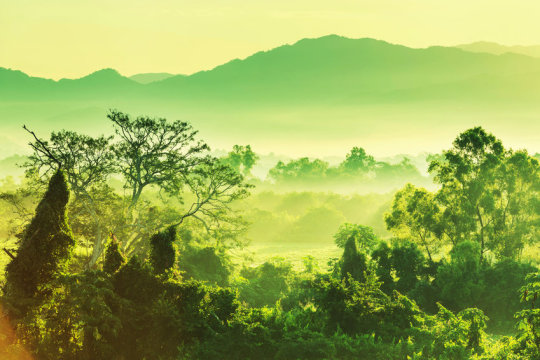
Tropical forest. Credit: © Galyna Andrushko / Fotolia

Missouri Botanical Garden researcher Dr. Carmen Ulloa is the lead author of "An Integrated Assessment of Vascular Plant Species of the Americas," published today in Science. Ulloa along with 23 co-authors compiled a comprehensive, searchable checklist of 124,993 species, 6,227 genera and 355 families of vascular plants of the Americas. This represents one third of all known vascular plants worldwide.

Establishing a checklist like this one has long been a goal of the Garden. In 2015, Ulloa started to research what already existed among existing Garden projects and other botanical institutions across the Americas. She then contacted the editors of the 12 major projects in the last 25 years that served as the basis for this larger checklist including the checklists of Bolivia, Brazil, Colombia, Ecuador, the Guianas, Mexico, Peru, the Southern Cone (Argentina, Chile, Paraguay, Uruguay), Venezuela, and the West Indies. Two partially published datasets of the Flora of North America North of Mexico and the Flora Mesoamericana were also used.

The Garden's plant database, Tropicos® was used as the projects data repository for the project. In the process, more than 25,000 names were added to Tropicos before a final list was compiled.

"This is the first time we have a complete overview of the plants of the Americas," said Ulloa. "It represents not only hundreds of years of plant collecting, and botanical research, but 6,164 botanists who described species that appear on this list. It is vital we have this information so that we know what each species is for conservation purposes."

Co-author Dr. Robert Magill first developed Tropicos in the early 1980s on tiny Osborne 01 microcomputer. Today, it is the world's largest botanical database. It is accessed more 70 million times each year by researchers around the world. It is a link to the past, a digital version of 4.4 million specimens in the Garden's expansive Herbarium. It is also a link to the future, the basis of a larger project, the World Flora Online. The Missouri Botanical Garden and more than 40 other institutions are working to develop the World Flora Online with the goal of documenting all known plant life by 2020.

A number of co-authors are current or former members of the Missouri Botanical Garden research staff including Dr. Gerrit Davidse, Heather Stimmel, Dr. James Zarucchi, Dr. Peter Jørgensen, Magill and Garden President Emeritus Dr. Peter Raven. In addition to this, Dr. Tom Croat and Dr. Charlotte Taylor are both acknowledged in the study's supplemental material for having more than 400 described plant species on the Americas list.

Each year, Missouri Botanical Garden researchers name hundreds of new species of plants with unknown potential. Though the process starts at collection at sites around the world, the real work takes places through the examination and comparison of all known species in Herbaria and in Tropicos. Digital records make it possible for those researchers working around the world to access information on their way to a new discovery. Other recommendations in the paper, including the support and development of taxonomic expertise, more focused research and embrace of new technologies are shared goals of the Garden for its work in around the world.

Previous Post

Political instability and weak governance lead to loss of species, study finds

Next Post

West African dolphin now listed as one of Africa's rarest mammals

Comments