Analysis: Angola's election race is between continuity and change
-
 Loading...
 - Daniel Besong
- 17 Aug 2022
- 85 Views
- 0 Like
- 0 Comment
On August 22, millions of voters in Angola will go to the polls for parliamentary elections that will also decide the country’s new leader.
They will elect a new president and members of parliament simultaneously with a single mark on a ballot paper under the country’s electoral system.
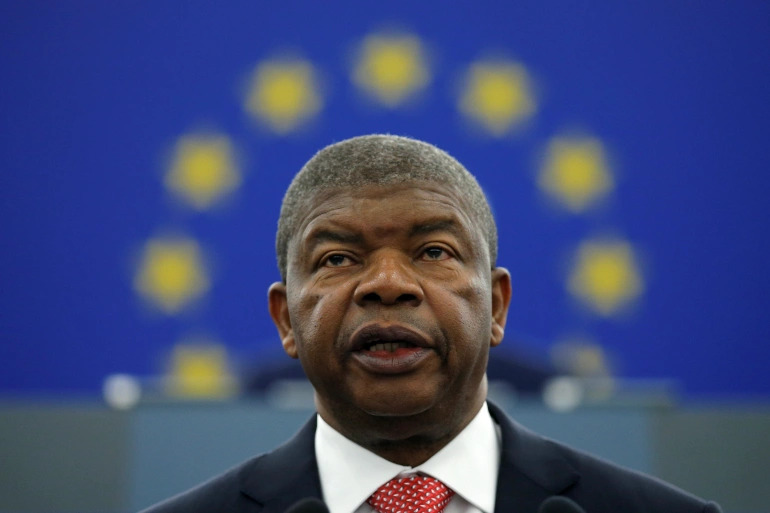
The incumbent President Joao Lourenço is seeking to extend his presidency with a second five-year term on the platform of the ruling Popular Movement for the Liberation of Angola (MPLA), which has been at the wheel for almost half a century.
National Union for the Total Independence of Angola (UNITA), the former rebel movement turned largest opposition party, is hoping its candidate, legislator Adalberto Costa Junior, can unseat him.
Lourenço became president in 2017, handpicked by his predecessor Jose Eduardo dos Santos who stepped down after four decades of iron-fisted rule.
He presented himself as a man who could usher in a new era and a clear break from the past; painful memories of civil war, mismanagement of state resources and extreme poverty.
This narrative resonated with the majority of Angola’s 35 million people, so Lourenço’s election victory was historically important, says Luanda-based political analyst Claudio Silva.
“It’s the first time we’ve had a different president than dos Santos since 1979. Many of us Angolans have only known one president throughout our entire lives,” Silva told Al Jazeera.
How has Lourenço’s presidency been?
There were symbolic actions during Lourenço’s first few months in office. He met longstanding MPLA critics at the presidential palace, called out the police for excessive use of force against protesters and urged state-owned media to move their reporting beyond the party’s official lines.
But beyond olive branch offerings to different segments of the Angolan society, the promised transformation never came, analysts say.
Much anticipated local elections have been indefinitely delayed in a bid to maintain centralised power over the provinces.
Private TV and radio stations have been randomly shut down by the state.
His anti-corruption fight, another of the cornerstones of his pre-election campaigning, has led to raised eyebrows too.
“[That] has been seen as highly selective and as a witch-hunt against his predecessor and his cronies”, Silva told Al Jazeera. “People in his own cabinet were accused, with evidence, of clear corruption violations, but he did nothing, nor did his courts.” Read More...