Analysis: Does Africa gain from WTO's landmark fishing subsidies deal?
-
 Loading...
 - Alice Ankomah
- 14 Sep 2022
- 68 Views
- 0 Like
- 0 Comment
After 21 years of talks, an agreement has been reached that prohibits harmful fishing subsidies – a leading factor in the plunder of global fish stocks. This could be a major development for Africa where the fisheries sector, which provides livelihoods and food security for over 400 million people, is vulnerable to exploitation.
According to the African Development Bank, around seven million tons of fish are caught in Africa annually. Population growth projections say that fish supply must increase to 13 million tons by 2030 to feed 1.7 billion people and to 19 million tons by 2050 to feed 2.5 billion. However, coastal states are not catching enough fish to meet Africa’s requirements. At least 35 countries on the continent are operating on a fish production deficit and are highly dependent on imports.
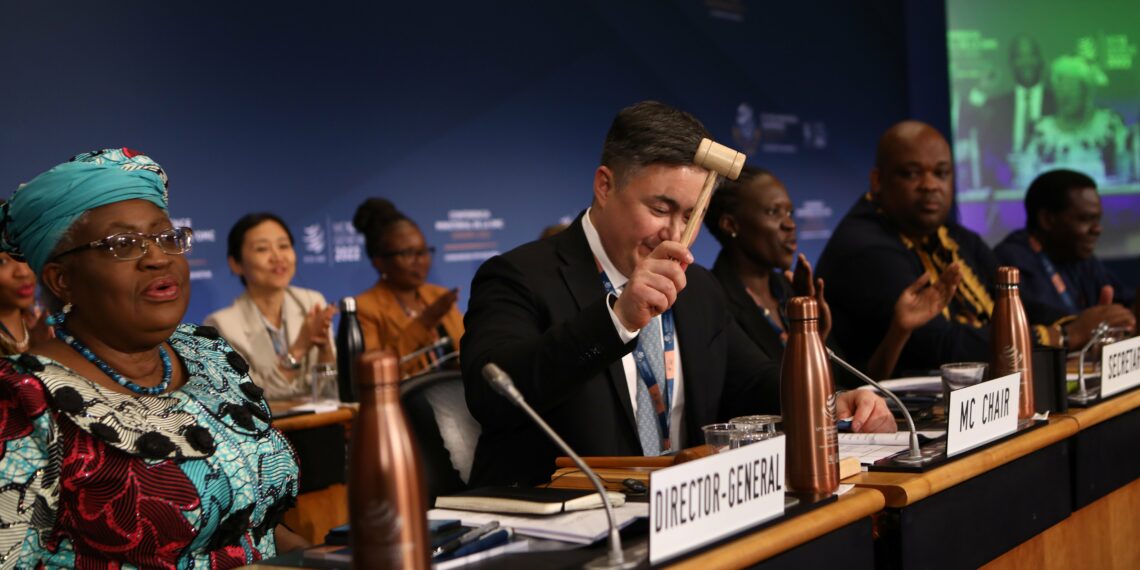
As global fish demand is expected to increase by 30 per cent by 2030, the sector faces tremendous pressures that require urgent, global responses. One such response is the 17 June adoption of the World Trade Organization (WTO) Agreement on Fisheries Subsidies. It provides the impetus for African countries to prioritise fisheries governance, sustainable ocean governance and food security for a rapidly growing population.
To make the landmark deal work for Africa though, the capacity of governments to control and monitor fishing activities in their waters will need a significant boost. And cooperation between agencies responsible for fisheries management must improve.
As the exploitation of marine resources increases, fish stocks are facing a collapse in several regions globally. Many governments subsidise unprofitable industrial-scale fishing fleets to cover rising fishing costs and growing consumer demand. The WTO estimates that global fisheries subsidies range from US$14 billion to $54 billion yearly.
Not all subsidies are bad, and removing government financial support for artisanal fishers in most African countries would do more damage than eliminating illegal fishing. The subsidies that should be stopped are those enabling the large-scale plunder of fish stocks. This includes financing vessels to acquire sophisticated equipment to catch more sea life while operating far from their home ports and markets.
These unsustainable approaches exacerbate insecurity in Africa, particularly in coastal communities. With an estimated value of US$24 billion and providing jobs for over 12 million people, the fisheries industry is fundamental to the continent’s blue economic vision and the African Union’s Africa Blue Economy Strategy. Read More...