Ancient Journey of a Mighty Creature Unveiled by South African Fossils
-
 Loading...
 - Harper Cooper
- 24 May 2023
- 64 Views
- 0 Like
- 0 Comment
Inostrancevia, a formidable precursor of saber-toothed mammals, embarked on an incredible 7,000-mile odyssey in a desperate struggle to survive the most devastating mass extinction ever recorded. Despite its unwavering determination, it eventually vanished along with 90% of all species.
A pivotal moment in the history of life on Earth unfolded as a result of runaway global warming triggered by catastrophic volcanic activity in Siberia. This cataclysmic event, which took place approximately 252 million years ago at the end of the Permian Period, marked the onset of the worst mass extinction ever witnessed.
Unlike the asteroid impact that wiped out the dinosaurs 66 million years ago, this extinction event occurred gradually over an extended period. As conditions deteriorated, species perished one by one, leading to a dramatic decline in biodiversity. Recently, scientists made a fascinating discovery in South Africa that offers a glimpse into this ancient drama. Fossils unearthed in the region reveal the story of a top predator, Inostrancevia, which undertook a desperate and ultimately unsuccessful migration spanning generations, covering half the globe in a bid to survive.
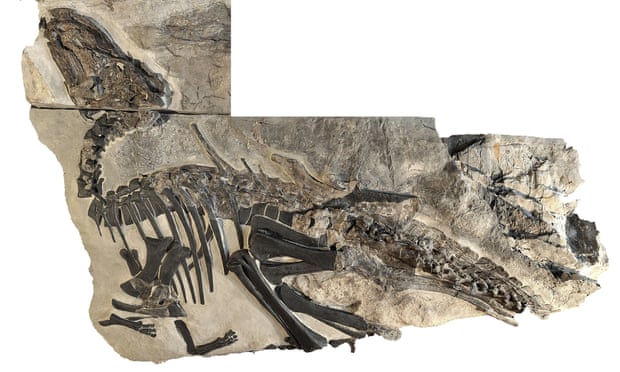
Previously, the remains of this tiger-sized, saber-toothed mammal forerunner were known only from excavations in Russia's northwestern region bordering the Arctic Sea. However, new findings at a farm in central South Africa shed light on Inostrancevia's remarkable journey.
Based on the fossils, it is evident that Inostrancevia ventured far from its place of origin, traveling over a period of hundreds or even thousands of years across Pangaea, the ancient supercontinent that encompassed the land masses we know today as continents. In South Africa, Inostrancevia assumed the role of the apex predator, filling the void left by the extinction of four other species.
"Unfortunately, its stay in South Africa was short-lived," explained Christian Kammerer, a paleontologist from the North Carolina Museum of Natural Sciences and the lead author of the research published in the journal Current Biology. Kammerer noted that Inostrancevia, along with its closest relatives, succumbed to the mass extinction event known as "the Great Dying."
"While they have no living descendants, they belong to the larger group known as synapsids, which includes mammals as their living representatives," added Kammerer.
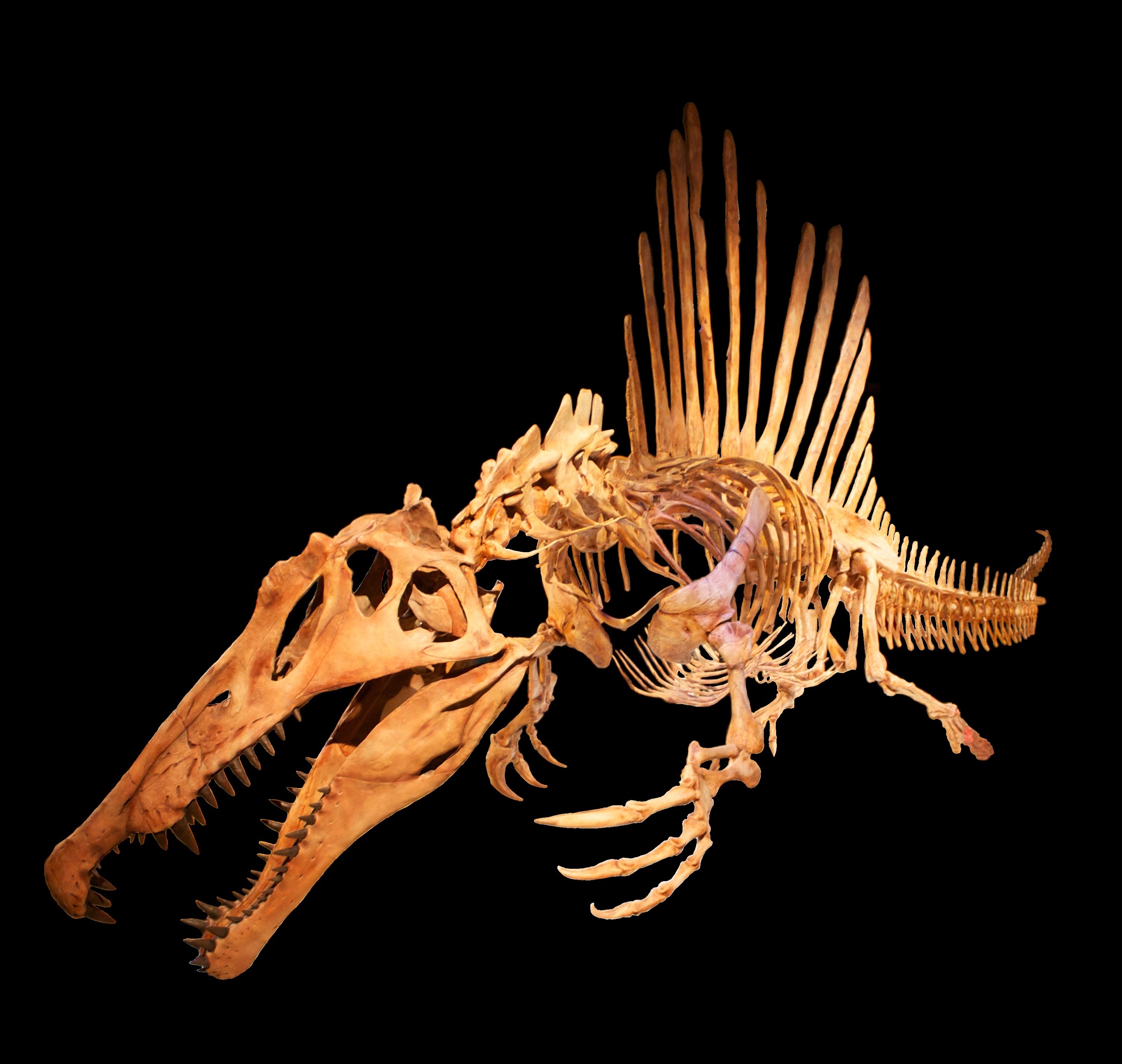
Inostrancevia belongs to a group of animals called protomammals, characterized by a combination of reptile-like and mammal-like traits. It measured around 10 to 13 feet (3 to 4 meters) in length, similar to the size of a Siberian tiger, but with a proportionally larger and elongated skull. Its most striking features were its enormous, blade-like canine teeth.
"I believe these creatures primarily used their saber-like canines to take down prey, while the serrated incisors helped them carve out chunks of meat or, if the prey was small enough, swallow it whole," speculated Kammerer.
In terms of body structure, Inostrancevia exhibited a unique posture typical of protomammals. It neither sprawled like a reptile nor stood upright like a mammal but adopted an intermediate form, with forelimbs splayed out and hind limbs mostly erect. Additionally, it lacked the facial musculature found in mammals and did not produce milk.
"Whether these animals possessed fur or not remains an unanswered question," Kammerer added.
The mass extinction, which unfolded over a span of approximately one million years, set the stage for the emergence of dinosaurs during the subsequent Triassic Period. The extensive volcanic activity unleashed vast lava flows across Eurasia, releasing copious amounts of carbon dioxide into the atmosphere for thousands of years. This led to a surge in global temperatures, depletion of oxygen in the seas and atmosphere, ocean acidification, and worldwide desertification.