Home Upload Photo Upload Videos Write a Blog Analytics Messaging Streaming Create Adverts Creators Program
Bebuzee Afghanistan Bebuzee Albania Bebuzee Algeria Bebuzee Andorra Bebuzee Angola Bebuzee Antigua and Barbuda Bebuzee Argentina Bebuzee Armenia Bebuzee Australia Bebuzee Austria Bebuzee Azerbaijan Bebuzee Bahamas Bebuzee Bahrain Bebuzee Bangladesh Bebuzee Barbados Bebuzee Belarus Bebuzee Belgium Bebuzee Belize Bebuzee Benin Bebuzee Bhutan Bebuzee Bolivia Bebuzee Bosnia and Herzegovina Bebuzee Botswana Bebuzee Brazil Bebuzee Brunei Bebuzee Bulgaria Bebuzee Burkina Faso Bebuzee Burundi Bebuzee Cabo Verde Bebuzee Cambodia Bebuzee Cameroon Bebuzee Canada Bebuzee Central African Republic Bebuzee Chad Bebuzee Chile Bebuzee China Bebuzee Colombia Bebuzee Comoros Bebuzee Costa Rica Bebuzee Côte d'Ivoire Bebuzee Croatia Bebuzee Cuba Bebuzee Cyprus Bebuzee Czech Republic Bebuzee Democratic Republic of the Congo Bebuzee Denmark Bebuzee Djibouti Bebuzee Dominica Bebuzee Dominican Republic Bebuzee Ecuador Bebuzee Egypt Bebuzee El Salvador Bebuzee Equatorial Guinea Bebuzee Eritrea Bebuzee Estonia Bebuzee Eswatini Bebuzee Ethiopia Bebuzee Fiji Bebuzee Finland Bebuzee France Bebuzee Gabon Bebuzee Gambia Bebuzee Georgia Bebuzee Germany Bebuzee Ghana Bebuzee Greece Bebuzee Grenada Bebuzee Guatemala Bebuzee Guinea Bebuzee Guinea-Bissau Bebuzee Guyana Bebuzee Haiti Bebuzee Honduras Bebuzee Hong Kong Bebuzee Hungary Bebuzee Iceland Bebuzee India Bebuzee Indonesia Bebuzee Iran Bebuzee Iraq Bebuzee Ireland Bebuzee Israel Bebuzee Italy Bebuzee Jamaica Bebuzee Japan Bebuzee Jordan Bebuzee Kazakhstan Bebuzee Kenya Bebuzee Kiribati Bebuzee Kuwait Bebuzee Kyrgyzstan Bebuzee Laos Bebuzee Latvia Bebuzee Lebanon Bebuzee Lesotho Bebuzee Liberia Bebuzee Libya Bebuzee Liechtenstein Bebuzee Lithuania Bebuzee Luxembourg Bebuzee Madagascar Bebuzee Malawi Bebuzee Malaysia Bebuzee Maldives Bebuzee Mali Bebuzee Malta Bebuzee Marshall Islands Bebuzee Mauritania Bebuzee Mauritius Bebuzee Mexico Bebuzee Micronesia Bebuzee Moldova Bebuzee Monaco Bebuzee Mongolia Bebuzee Montenegro Bebuzee Morocco Bebuzee Mozambique Bebuzee Myanmar Bebuzee Namibia Bebuzee Nauru Bebuzee Nepal Bebuzee Netherlands Bebuzee New Zealand Bebuzee Nicaragua Bebuzee Niger Bebuzee Nigeria Bebuzee North Korea Bebuzee North Macedonia Bebuzee Norway Bebuzee Oman Bebuzee Pakistan Bebuzee Palau Bebuzee Panama Bebuzee Papua New Guinea Bebuzee Paraguay Bebuzee Peru Bebuzee Philippines Bebuzee Poland Bebuzee Portugal Bebuzee Qatar Bebuzee Republic of the Congo Bebuzee Romania Bebuzee Russia Bebuzee Rwanda Bebuzee Saint Kitts and Nevis Bebuzee Saint Lucia Bebuzee Saint Vincent and the Grenadines Bebuzee Samoa Bebuzee San Marino Bebuzee São Tomé and Príncipe Bebuzee Saudi Arabia Bebuzee Senegal Bebuzee Serbia Bebuzee Seychelles Bebuzee Sierra Leone Bebuzee Singapore Bebuzee Slovakia Bebuzee Slovenia Bebuzee Solomon Islands Bebuzee Somalia Bebuzee South Africa Bebuzee South Korea Bebuzee South Sudan Bebuzee Spain Bebuzee Sri Lanka Bebuzee Sudan Bebuzee Suriname Bebuzee Sweden Bebuzee Switzerland Bebuzee Syria Bebuzee Taiwan Bebuzee Tajikistan Bebuzee Tanzania Bebuzee Thailand Bebuzee Timor-Leste Bebuzee Togo Bebuzee Tonga Bebuzee Trinidad and Tobago Bebuzee Tunisia Bebuzee Turkey Bebuzee Turkmenistan Bebuzee Tuvalu Bebuzee Uganda Bebuzee Ukraine Bebuzee United Arab Emirates Bebuzee United Kingdom Bebuzee Uruguay Bebuzee Uzbekistan Bebuzee Vanuatu Bebuzee Venezuela Bebuzee Vietnam Bebuzee World Wide Bebuzee Yemen Bebuzee Zambia Bebuzee Zimbabwe
Blog Image

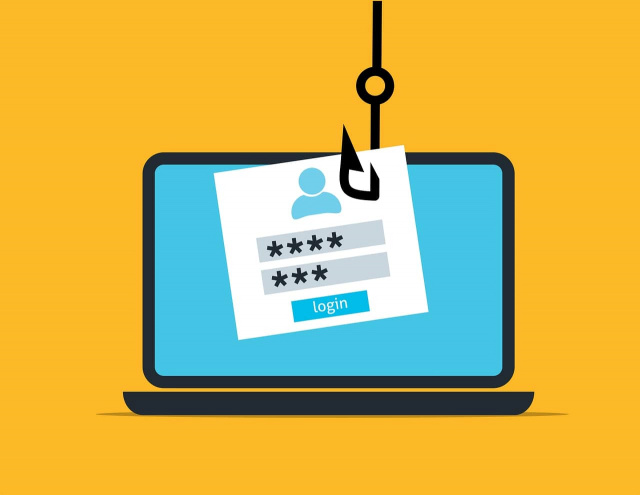
Are Your Passwords Safe?

Do you have a favorite password that you use across several accounts? If you’re like the majority of the population, you probably have. Unfortunately, poor password habits like this can have a long-lasting adverse effect on your overall online security. Despite the fact that we are becoming aware of the growing number of online risks, a significant number of us still use common passwords to protect their accounts.

In 2019, the Bulgarian National Revenue Agency faced a massive cyberattack that exposed the sensitive data of 70% of the population. Even though it’s sometimes impossible to stay one step ahead of cybercriminals, keeping good password practices can make a significant difference in protecting your identity.

If you’re not sure which password practices are endangering your security and what you can do to prevent a data breach, keep reading because we’re bringing you advice on how to tackle these issues.

Risky password practices and how to address them

1. Creating weak passwords

You don’t have to be a cybersecurity expert to figure out that “password,” “qwerty,” or “12345” are some of the worst password choices you can make. Essentially, you’ll want to stay away from any common dictionary word when creative a password. Including personal information like birthdays, license plate numbers, or pet names is also pretty risky.

What to do instead:

  • Create passwords that are at least twelve characters long
  • Your passwords should contain a unique and unusual combination of words
  • Always combine letters, numbers, and symbols in your passwords
  • Make your passwords as random as possible

2. Recycling passwords

Since memorizing a new password for each account is impossible, people often reuse a few of their favorite passwords for different accounts. This could give hackers easier access to your sensitive information and lead to a data breach.

What to do instead:

  • Create a new password for each account
  • Connect your personal and business-related accounts to separate email addresses

3. Trying to memorize your passwords

Those who already follow our previously-mentioned advice and set up unique passwords for all of their accounts may face another problem. Memorizing a vast number of passwords is almost impossible, and most people tend to use risky methods to save their credentials. For instance, 57% of people admitted using sticky notes as their preferred password storing option.

What to do instead:

  • Create passwords that are strong and unique but still memorable
  • Use a password manager to store your credentials safely
  • Don’t write your passwords down on sticky notes, and don’t store them locally on your device

4. Sharing them with others

Giving your colleagues, friends, and family members access to your credentials may sound like a great solution when you’re in a hurry and need someone’s help.  If your passwords end up in the wrong hands though, it can put your accounts at unnecessary risk. However, if you still end up sharing your passwords with someone for whatever reason, change them as soon as you get the chance.

What to do instead:

  • Share encrypted credentials via a password manager
  • If you have to share passwords without a password manager, use an encrypted messenger app like Signal.  Read More...

Previous Post

World Telecom Day: How can tech be more friendly to China's aging population?

Next Post

China builds world's largest mobile broadband and fiber optic network

Comments