Home Upload Photo Upload Videos Write a Blog Analytics Messaging Streaming Create Adverts Creators Program
Bebuzee Afghanistan Bebuzee Albania Bebuzee Algeria Bebuzee Andorra Bebuzee Angola Bebuzee Antigua and Barbuda Bebuzee Argentina Bebuzee Armenia Bebuzee Australia Bebuzee Austria Bebuzee Azerbaijan Bebuzee Bahamas Bebuzee Bahrain Bebuzee Bangladesh Bebuzee Barbados Bebuzee Belarus Bebuzee Belgium Bebuzee Belize Bebuzee Benin Bebuzee Bhutan Bebuzee Bolivia Bebuzee Bosnia and Herzegovina Bebuzee Botswana Bebuzee Brazil Bebuzee Brunei Bebuzee Bulgaria Bebuzee Burkina Faso Bebuzee Burundi Bebuzee Cabo Verde Bebuzee Cambodia Bebuzee Cameroon Bebuzee Canada Bebuzee Central African Republic Bebuzee Chad Bebuzee Chile Bebuzee China Bebuzee Colombia Bebuzee Comoros Bebuzee Costa Rica Bebuzee Côte d'Ivoire Bebuzee Croatia Bebuzee Cuba Bebuzee Cyprus Bebuzee Czech Republic Bebuzee Democratic Republic of the Congo Bebuzee Denmark Bebuzee Djibouti Bebuzee Dominica Bebuzee Dominican Republic Bebuzee Ecuador Bebuzee Egypt Bebuzee El Salvador Bebuzee Equatorial Guinea Bebuzee Eritrea Bebuzee Estonia Bebuzee Eswatini Bebuzee Ethiopia Bebuzee Fiji Bebuzee Finland Bebuzee France Bebuzee Gabon Bebuzee Gambia Bebuzee Georgia Bebuzee Germany Bebuzee Ghana Bebuzee Greece Bebuzee Grenada Bebuzee Guatemala Bebuzee Guinea Bebuzee Guinea-Bissau Bebuzee Guyana Bebuzee Haiti Bebuzee Honduras Bebuzee Hong Kong Bebuzee Hungary Bebuzee Iceland Bebuzee India Bebuzee Indonesia Bebuzee Iran Bebuzee Iraq Bebuzee Ireland Bebuzee Israel Bebuzee Italy Bebuzee Jamaica Bebuzee Japan Bebuzee Jordan Bebuzee Kazakhstan Bebuzee Kenya Bebuzee Kiribati Bebuzee Kuwait Bebuzee Kyrgyzstan Bebuzee Laos Bebuzee Latvia Bebuzee Lebanon Bebuzee Lesotho Bebuzee Liberia Bebuzee Libya Bebuzee Liechtenstein Bebuzee Lithuania Bebuzee Luxembourg Bebuzee Madagascar Bebuzee Malawi Bebuzee Malaysia Bebuzee Maldives Bebuzee Mali Bebuzee Malta Bebuzee Marshall Islands Bebuzee Mauritania Bebuzee Mauritius Bebuzee Mexico Bebuzee Micronesia Bebuzee Moldova Bebuzee Monaco Bebuzee Mongolia Bebuzee Montenegro Bebuzee Morocco Bebuzee Mozambique Bebuzee Myanmar Bebuzee Namibia Bebuzee Nauru Bebuzee Nepal Bebuzee Netherlands Bebuzee New Zealand Bebuzee Nicaragua Bebuzee Niger Bebuzee Nigeria Bebuzee North Korea Bebuzee North Macedonia Bebuzee Norway Bebuzee Oman Bebuzee Pakistan Bebuzee Palau Bebuzee Panama Bebuzee Papua New Guinea Bebuzee Paraguay Bebuzee Peru Bebuzee Philippines Bebuzee Poland Bebuzee Portugal Bebuzee Qatar Bebuzee Republic of the Congo Bebuzee Romania Bebuzee Russia Bebuzee Rwanda Bebuzee Saint Kitts and Nevis Bebuzee Saint Lucia Bebuzee Saint Vincent and the Grenadines Bebuzee Samoa Bebuzee San Marino Bebuzee São Tomé and Príncipe Bebuzee Saudi Arabia Bebuzee Senegal Bebuzee Serbia Bebuzee Seychelles Bebuzee Sierra Leone Bebuzee Singapore Bebuzee Slovakia Bebuzee Slovenia Bebuzee Solomon Islands Bebuzee Somalia Bebuzee South Africa Bebuzee South Korea Bebuzee South Sudan Bebuzee Spain Bebuzee Sri Lanka Bebuzee Sudan Bebuzee Suriname Bebuzee Sweden Bebuzee Switzerland Bebuzee Syria Bebuzee Taiwan Bebuzee Tajikistan Bebuzee Tanzania Bebuzee Thailand Bebuzee Timor-Leste Bebuzee Togo Bebuzee Tonga Bebuzee Trinidad and Tobago Bebuzee Tunisia Bebuzee Turkey Bebuzee Turkmenistan Bebuzee Tuvalu Bebuzee Uganda Bebuzee Ukraine Bebuzee United Arab Emirates Bebuzee United Kingdom Bebuzee Uruguay Bebuzee Uzbekistan Bebuzee Vanuatu Bebuzee Venezuela Bebuzee Vietnam Bebuzee World Wide Bebuzee Yemen Bebuzee Zambia Bebuzee Zimbabwe
Blog Image

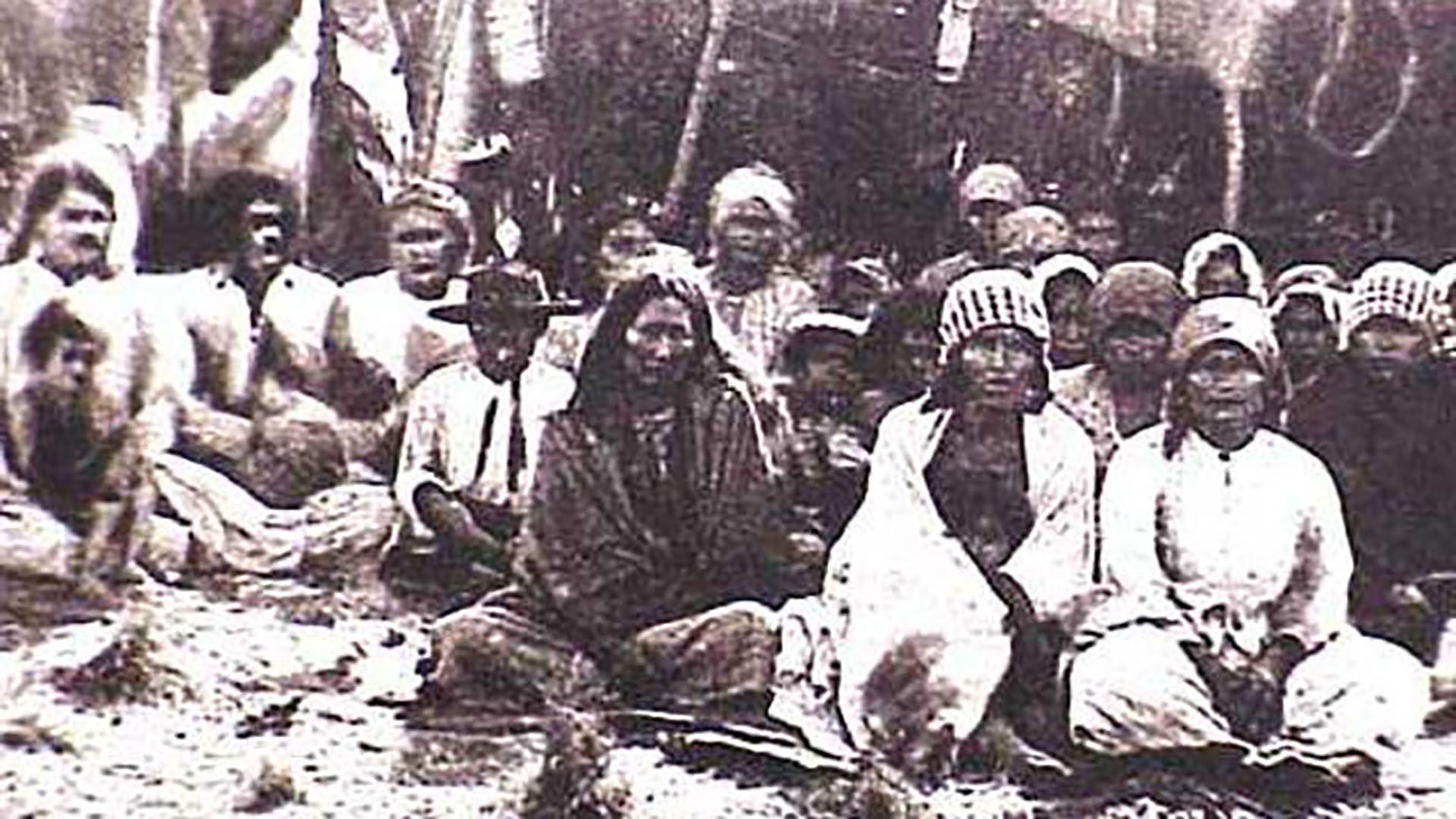
Argentina: Massacre of indigenous groups and its cover-up brought to trial

Witnesses over 100 years old appeared before the Court on opening day

Although none of the suspects is still alive, an Argentine court in the northern province of Chaco began Tuesday a “truth trial” for the so-called “Napalpi massacre,” the killing of native peoples perpetrated in 1924.

Some survivors over 100 years old and descendants of the victims are expected to testify in the proceedings which seek to determine what actually happened, although there can be no penalties imposed since the alleged killers have all died.

“This trial will build through Justice a truth that is written, that symbolically repairs the relatives of the victims and also democracy and new generations,” Argentina's Human Rights Secretary Horacio Pietragalla Corti said.

The official was present at Tuesday's opening hearing. A special investigation by the Secretariat has led to this trial. The trial seeks to establish how the Napalpí massacre occurred, in which members of the Qom and Moqoit indigenous peoples were murdered.

On July 19, 1924, about a hundred law enforcement officers and settlers shot members of these communities who were protesting for better working and living conditions.

According to the Prosecutor's Office, there were shots “rampage” for about an hour, after which some 300 members of the Qom and Moqoit ethnic groups were killed, including children, pregnant women, the elderly, and also children.

The prosecutors' opening statement also highlighted that the wounded who could not escape in time were “killed in the cruelest possible ways” and there were mutilations and burials in mass graves.

The Prosecutor's Office recalled that “the aggressor forces justified the attack as a police confrontation against indigenous rebels” and “they also tried to present the facts as an alleged confrontation between ethnic groups.”

“This trial seeks the truth of what happened, which we will try to achieve through the different testimonies and evidence, to arrive at an approximation of the facts as they would have happened,” said Federal Judge Zunilda Niremperger, in charge of the trial.

The magistrate added that this process “does not seek criminal responsibilities” but “to make a judicial determination of the facts, to know the truth of what happened, first for the vindication of the memory of the people, to soothe the wounds, to repair as a form of positive action.

”But also with the aim of activating the memory and generating collective awareness that serious human rights violations should not be repeated, especially in these cases where they were allegedly generated by the State and against a highly vulnerable group, such as indigenous communities,“ she said.

In 2019, the massacre was declared a crime against humanity, thus lifting any statute of limitations from it. In November, the Human Rights Secretariat provided as evidence to the case a thorough historical investigation into the facts and motives that led to the massacre almost a century ago.

That investigation features official documents and testimonies of survivors and relatives and describes the denial and cover-up of the massacre by the authorities, who silenced the facts for decades. ”There was a strategy by the State to construct an official history to deny and cover up the massacre,” the prosecution argued. Read More...

Previous Post

Argentine port workers to stage 24-hour strike Thursday

Next Post

Tourism authorities celebrate higher than expected Easter Week numbers.

Comments